
- Community Spotlight, Success Stories, Uncategorized
- Emergency Preparedness & Response
Supporting Response Efforts Following California Fires
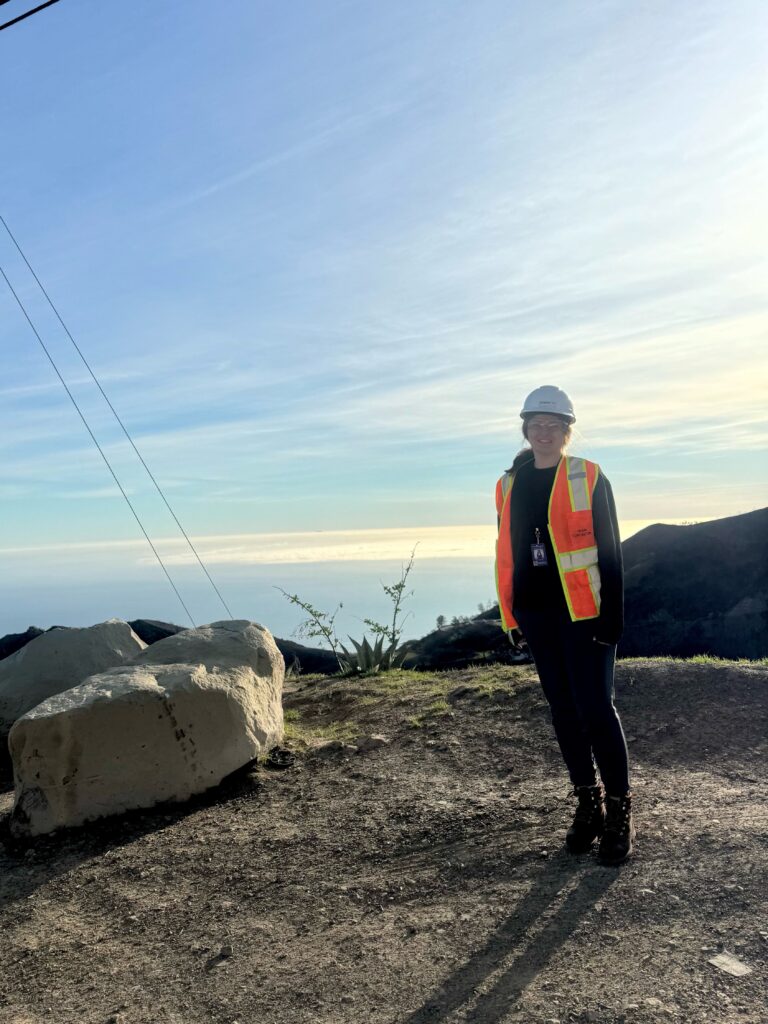
Following the fires that devastated Los Angeles, California and surrounding areas in January 2025, CSS employee owners were deployed to the area as a subcontractor to Weston Solutions, Inc. to assist with the response. This effort supports U.S. Environmental Protection Agency (EPA) Region 9 Superfund Technical Assessment & Response Team (START) program.
Initially, a CSS employee owner and a team that consisted of arborists, engineers, and electricians provided a safety recon for properties/parcels to identify immediate hazards—such as power lines, unstable buildings, and unsecure trees or limbs—to help ensure parcels were safe for entry. When necessary, the employee owner and team addressed the immediate hazard or flagged the property to address the hazards at a later date.
While on site, CSS employee owners managed various household hazardous materials (HHM) teams, documented removal, ensured safe handling and disposal of HHM, and managed equipment and supplies for responders.
Additional CSS staff have been supporting this effort remotely by procuring laboratories, validating data, preparing site quality assurance project plans, and supporting administrative duties.
While this team is highly experienced in fire response, due to the compressed timeline and number of structures involved, this task proved to be the most challenging. The unexpected challenge of mudslides inundating the areas only added to the complexity and delayed the response work.
Since the deployment, CSS has had five staff on site with two supporting from a remote location. CSS staff have been supporting this massive effort of over 300 STARTs on site and 40 working remotely, to over 9,120 Phase I clean-ups of household hazardous materials to fire impacted properties.
Visit EPA’s story board to view the full effort to date.

See More CSS Insights
CSS Awarded Five Year Subcontract Supporting the Bureau of Engraving and Printing
For over 22 years, CSS has supported the Bureau of Engraving and Printing (BEP). Originally as a prime contractor, CSS began supporting BEP in 2002. In November 2024, a new prime contractor, Koniag, signed CSS as a major subcontractor, which enabled CSS employee owners to continue providing comprehensive environmental, occupational safety and industrial hygiene support…

New Contract. Same Great Work.
We’re pleased to announce a new small business joint venture with Paul Bechtel & Associates (PB&A), which was awarded a 5-year contract to continue supporting the U.S. Environmental Protection Agency’s (EPA) Office of Pesticide Programs. For 40 years our staff have supported EPA’s Office of Pesticide Programs in the review and evaluation of pesticide data.…
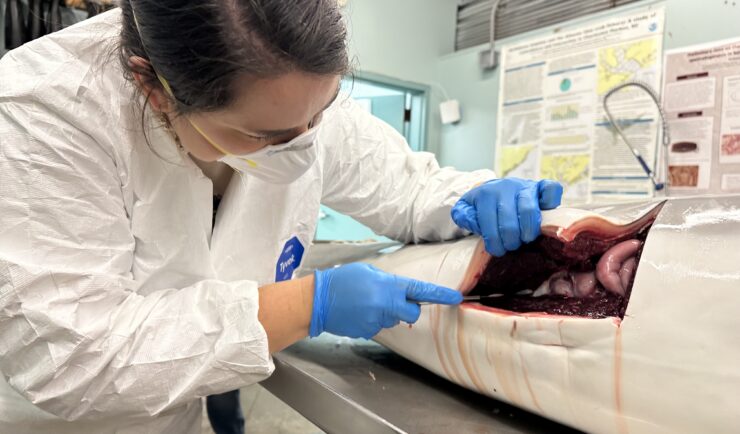
Assisting South Carolina Marine Mammal Stranding Network
CSS employee owner and Marine Mammal Microplastic Specialist supporting NOAA’s National Centers for Coastal Ocean Science assists the South Carolina Marine Mammal Stranding Network in responding to dead marine mammals when they strand on beaches or estuaries throughout South Carolina. This is work is critical for human and environmental health because it provides invaluable samples…