
- CSS News
- Human Health Risk Assessment
CSS Receives 10-year Renewal of the NIEHS National Toxicology Program QA Contract

CSS is pleased to announce that we have received a 10-year renewal for our contract with National Institute of Environmental Health Sciences (NIEHS) National Toxicology Program Quality Assurance. For 40 years, CSS employee owners have been providing quality assurance reviews for the NIEHS National Toxicology Program identifying inconsistencies and safeguarding data integrity across large-scale toxicology programs. This work directly supports regulatory agencies in protecting human health and the environment through rigorous toxicological data review.
Throughout the 40 years of support, CSS has supported NIEHS in the following capacities:
- Completed multiple QA audits in support of the NIEHS Division of Translational Toxicology, ensuring compliance with good laboratory practices and NIEHS standards.
- Delivered timely review and validation of toxicology study data.
- Audited studies covering a wide range of chemicals, including: 1,2- and 1,4-dichlorobenzene, 1,2,4-trimethylbenzene, mixed xylenes, α-pinene, bisphenol AF, thallium sulfate, oxybenzone, benzo(k)fluoranthene, and dibenz(a,h)anthracene. These efforts strengthen the scientific foundation for human health and ecological risk assessments.
- Updated Quality Management Procedures and Standard Operating Procedures to reflect modernized digital verification systems (e.g. CEBS, Provantis).
- Continued to strengthen collaboration and consistency across audit documentation, ensuring accuracy from raw data through final reporting.
CSS is looking forward to continuing this support.
See More CSS Insights
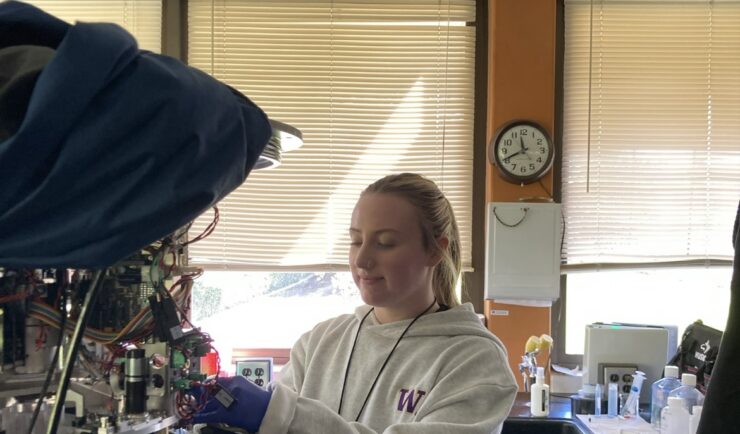
Monitoring Algal Blooms for Harmful Toxins
CSS employee owners support NOAA’s National Centers for Coastal Ocean Science (NCCOS) Harmful Algal Blooms (HAB) Sensor Development Team in their efforts to detect and monitor these harmful algal blooms in coastal waters where they are likely to occur. HAB monitoring is critical for detecting harmful toxins produced by some algae. When present in over…
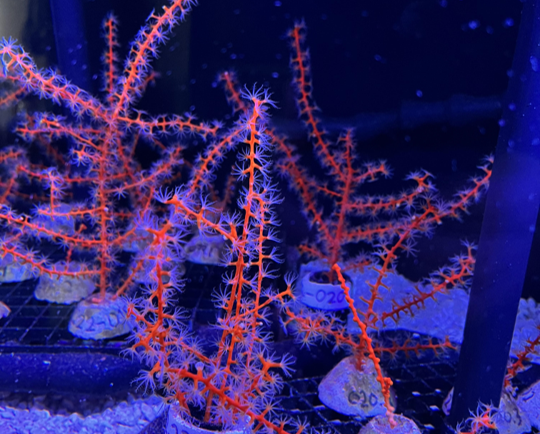
Studying Mesophotic Coral Health
Mesophotic coral can live at depths of 500 feet below the ocean surface. Even at this depth, some of the mesophotic corals in the Gulf of Mexico were affected by the Deepwater Horizon oil spill in 2010. Our coral scientists supporting NOAA’s National Centers for Coastal Ocean Science are studying the extent of this impact.…
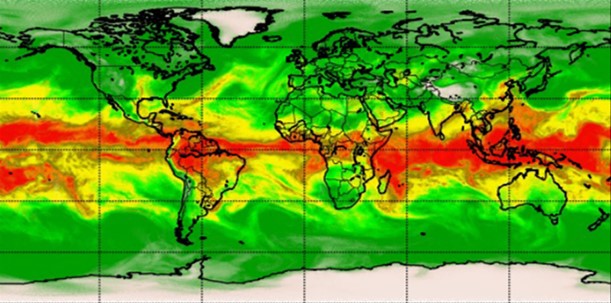
Advancing Severe Weather Predictions with Artificial Intelligence
As artificial intelligence (AI) and machine learning (ML) technologies evolve in Earth sciences, CSS employee owners (formerly Riverside staff) are growing our expertise in this field. CSS employee owners are advancing technologies for our client, NOAA’s Center for Satellite Applications and Research (STAR). Our staff have developed a framework, exploiting modern AI/ML techniques, to rapidly…