
- Success Stories
- Satellite Science & Environmental Intelligence
Supporting the Development and Refinement of Advanced Atmospheric Sounding Products
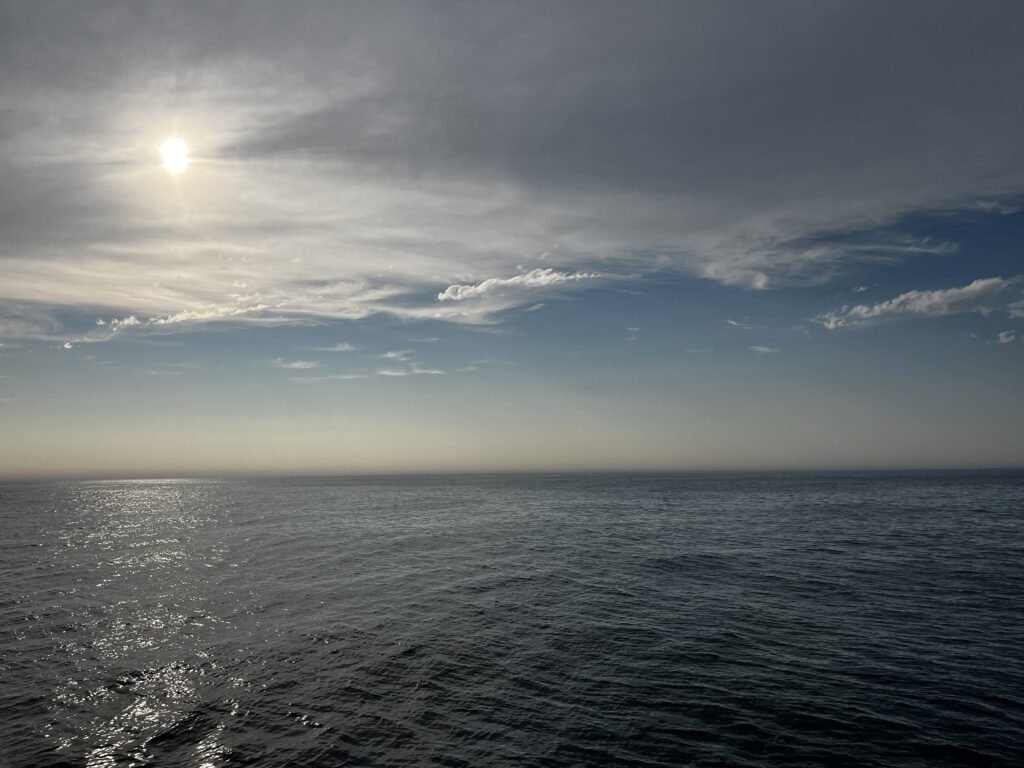
The National Oceanic and Atmospheric Administration’s (NOAA) Unique Combined Atmospheric Processing System (NUCAPS) provides critical information on temperature, moisture, ozone, and other variables that help forecasters and climate experts understand conditions throughout the atmosphere. CSS Employee Owners are key contributors to the team, supporting the development and refinement of advanced atmospheric sounding products.
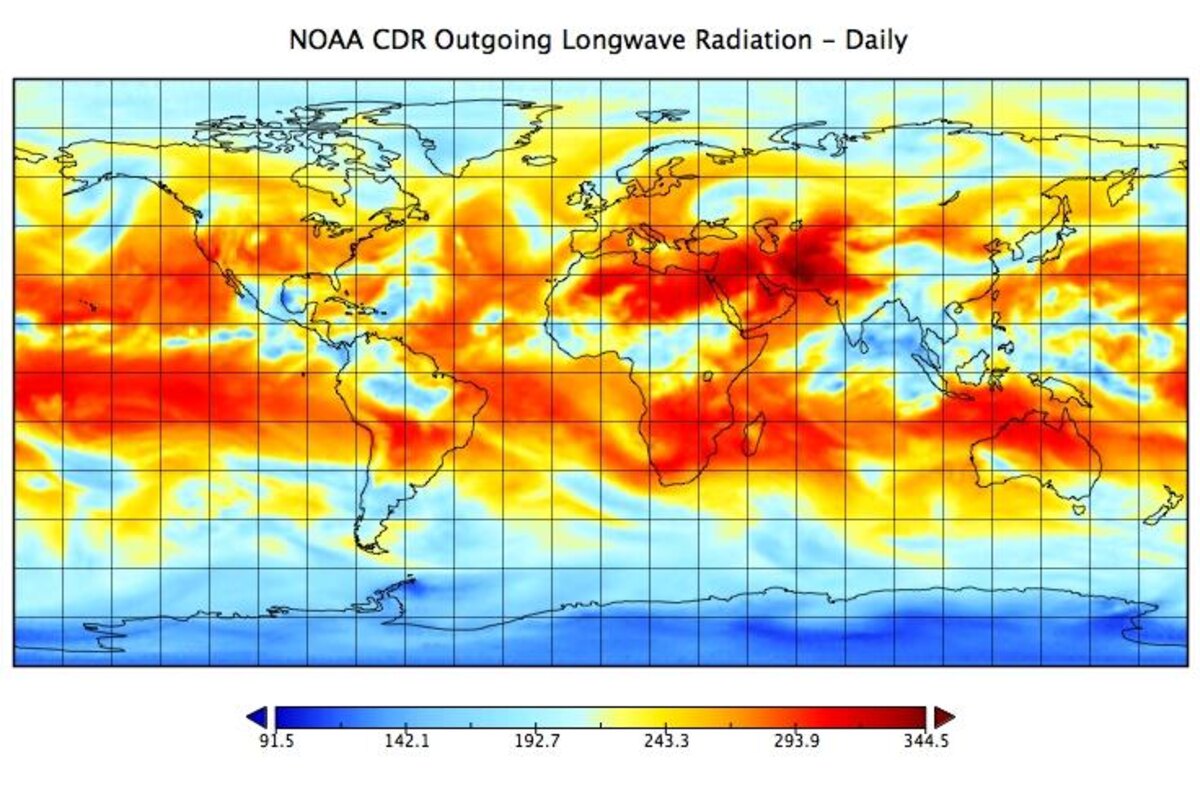
The work of CSS centers on improving the algorithm behind Outgoing Longwave Radiation, the key indicator of Earth’s energy balance and climate system. CSS supports NOAA’s Amazon Web Service cloud‑based mission‑long reprocessing efforts, ensuring continuous, accurate data records using up‑to‑date algorithms. These long‑term datasets are essential for monitoring Earth’s changing climate and supporting sustainability planning.
In addition, CSS contributes to Aerosols and Ocean Science Expedition campaigns, which include dedicated radiosonde launches over tropical oceans to validate NUCAPS temperature and humidity profiles. These observations strengthen NOAA’s ability to produce more reliable weather and climate insights.
Through this work, CSS contributions support NOAA’s mission to maintain healthy ecosystems, communities, and economies that are resilient to change, which is critical as natural disaster costs continue to climb into the tens and hundreds of billions of dollars each year. The expertise of CSS Employee Owners helps provide the foundational science behind forecasts, warnings, and climate assessments used by scientists, policymakers, and emergency managers.
See More CSS Insights
Examining Cetaceans for Contamination and Pathogens
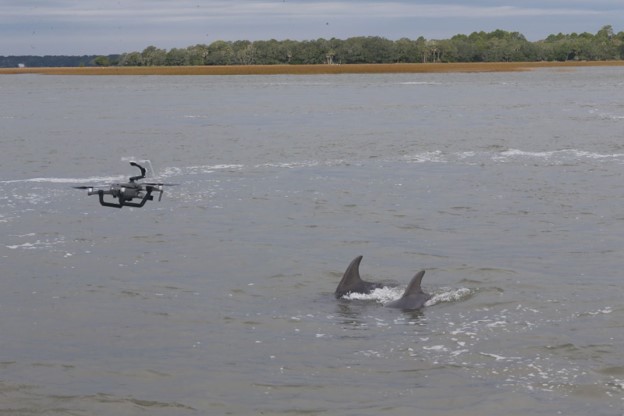
CSS has employee owners who are experts in monitoring cetacean health. Several CSS scientists supporting NOAA’s Centers for Coastal Ocean Science have recently conducted research and tests on marine mammals to explore uncommon behaviors and causes for strandings. View some examples of this research below. Microplastics are becoming increasingly abundant in coastal and marine environments.…
Assessing Contamination in Abandoned Mines
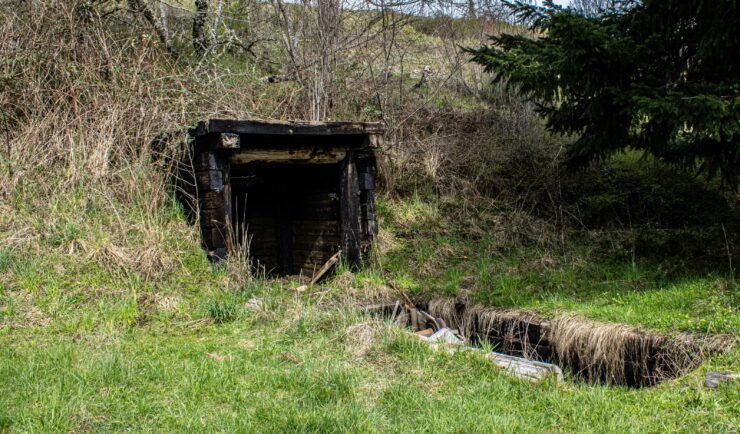
CSS supports the Environmental Protection Agency with assessing contamination within abandoned mines. There are thousands of abandoned mines throughout the western United States. Many of these mines are leaching heavy metals into nearby streams or have contaminated soils causing vegetation die off. CSS employee owners conduct field work to assess the extent of this contamination.…

Advanced Planning for Hardware Retirements
NOAA relies on orbiting satellites to collect data for Climate Data Records (CDR). However, these satellites degrade over time and can be at risk of failing. Degradation or failure of critical space instruments can cause interruptions in Earth’s climate system data, disrupting the ongoing record collection. In support of NOAA’s National Centers for Environmental Information, CSS program manager for CDR proactively managed product transitions that…