
- Success Stories
- Satellite Science & Environmental Intelligence
Contributing to the Next Generation Fire System
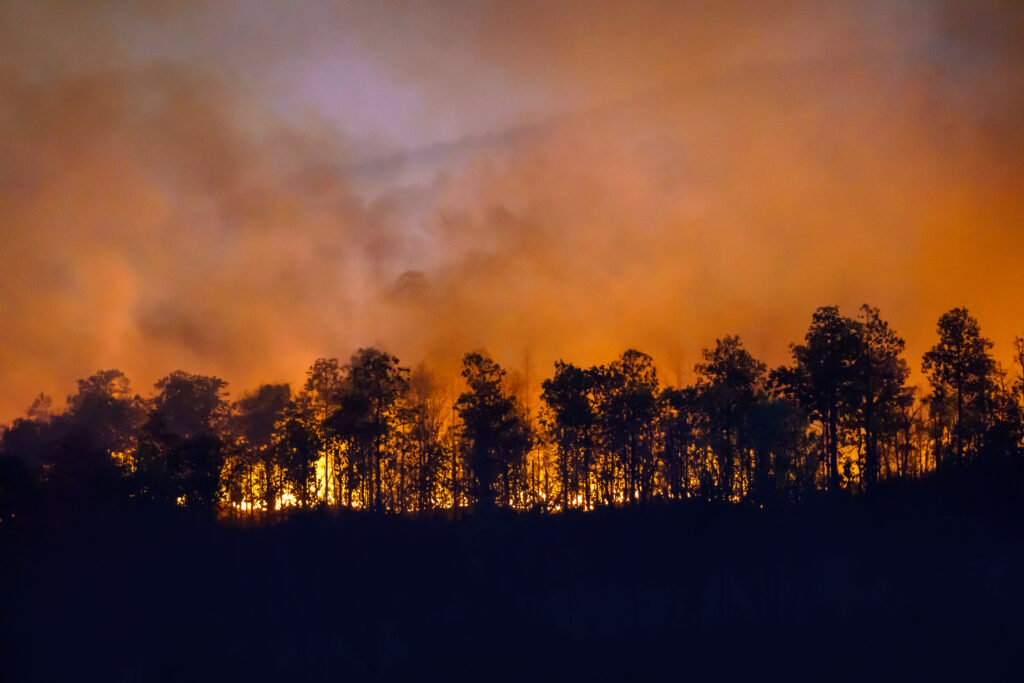
CSS plays a key role on the National Oceanic and Atmospheric Administration’s (NOAA) Atmospheric Sciences and Technology Applications Fire Detection Team, contributing to the development and validation of next generation wildfire detection capabilities. Working alongside subject matter experts and scientists from the University of Wisconsin-Madison, CSS Employee Owners support efforts to evaluate and improve experimental satellite fire detection capabilities within the Next Generation Fire System (NGFS) algorithm.
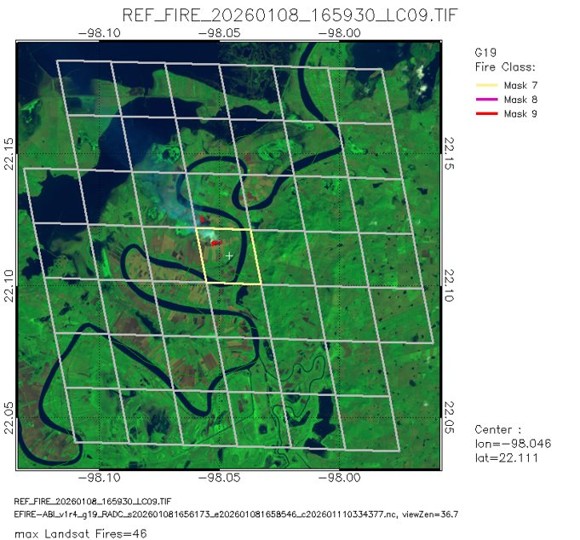
One of our ongoing efforts focuses on location analysis for NGFS, a system that currently operates at a coarse resolution of 2 kilometers. CSS helps refine this approach by verifying NGFS detections against high‑resolution data from Landsat 8 and 9—down to 30 meters. This work aims to confidently narrow fire locations from a 2 by 2 kilometer footprint to a more precise 1 by 1 kilometer area.
Since GOES satellites provide data every five minutes, enhanced location accuracy can help detect fires at their earliest stages. This supporting faster response and reduces risks to communities, ecosystems, and infrastructure. CSS contributions strengthen NOAA’s ability to deliver timely, actionable fire intelligence to partners and decision‑makers.
This work directly supports NOAA’s mission to help build safe, resilient communities in the face of increasing wildfire impacts.
See More CSS Insights
Developing a Database for Ecosystem Service Models
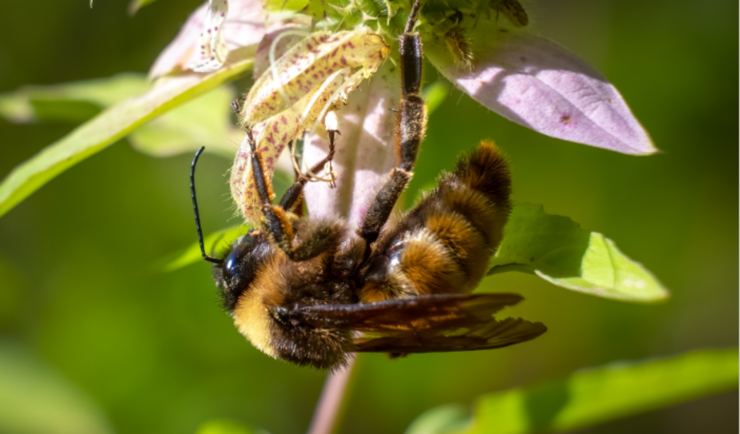
CSS scientists have been major developers and contributors to the online U.S. Environmental Protection Agency’s EcoService Models Library (ESML) database since its inception in 2012. The ESML database contains detailed but concise descriptions of ecosystem service models to facilitate the selection of models by ecosystem scientists for a variety of management and research applications. The…
Preparing and Delivering Samples for Travel to the International Space Station
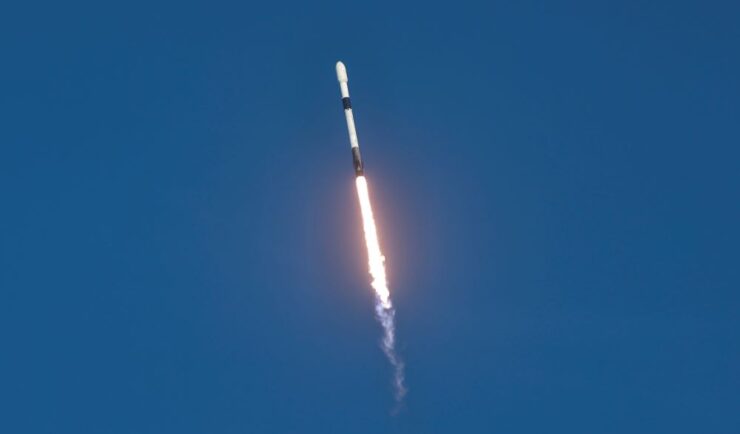
CSS employee owners on contract with NASA delivered six newly prepared Solidification Using a Baffle in Sealed Ampoules (SUBSA)—a high temperature furnace with temperature and timing control for melting samples to create different materials and alloys—samples for the NG-23 launch, which took place on September 14, 2025. On this mission, samples are being delivered for…
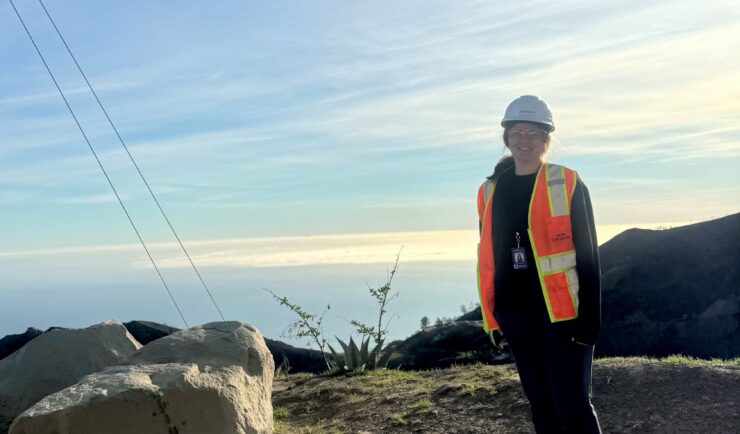
Supporting Response Efforts Following California Fires
Following the fires that devastated Los Angeles, California and surrounding areas in January 2025, CSS employee owners were deployed to the area as a subcontractor to Weston Solutions, Inc. to assist with the response. This effort supports U.S. Environmental Protection Agency (EPA) Region 9 Superfund Technical Assessment & Response Team (START) program. Initially, a CSS…