
- Success Stories
- Emergency Preparedness & Response
Extensive Support in Hazard Waste Management
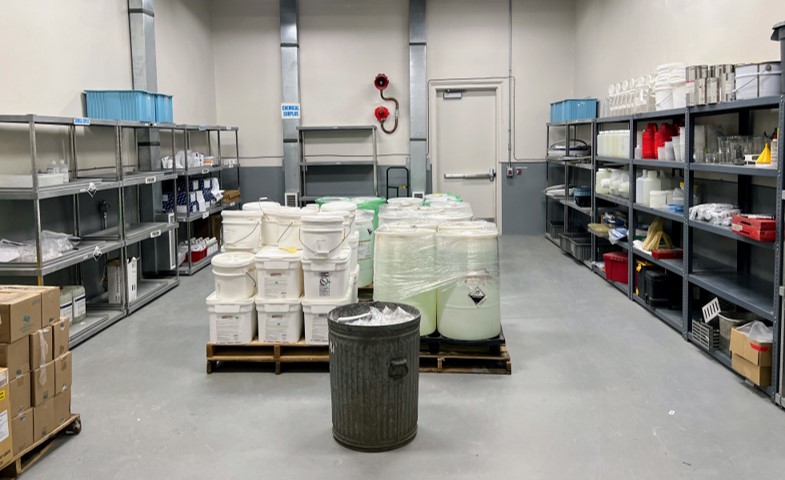
For 22 years, CSS has provided support to the Centers for Disease Control and Prevention (CDC) Hazardous Waste Program ensuring safe handling, storage, packing, and shipping of hazardous waste materials within facilities and laboratories. Experienced CSS employees are located on site at CDC campuses in Atlanta, Georgia, San Juan, Puerto Rico, and Fort Collins, Colorado and are responsible for collecting waste on a weekly schedule and disposing of waste at various campuses on an annual basis.
At each campus, CSS staff are tasked with classifying, bulking, storage or lab packing regulated (i.e. flammable, corrosive or caustic, toxic, and reactive) and unregulated (i.e. buffers and stains, and any material not regulated for transport) waste.
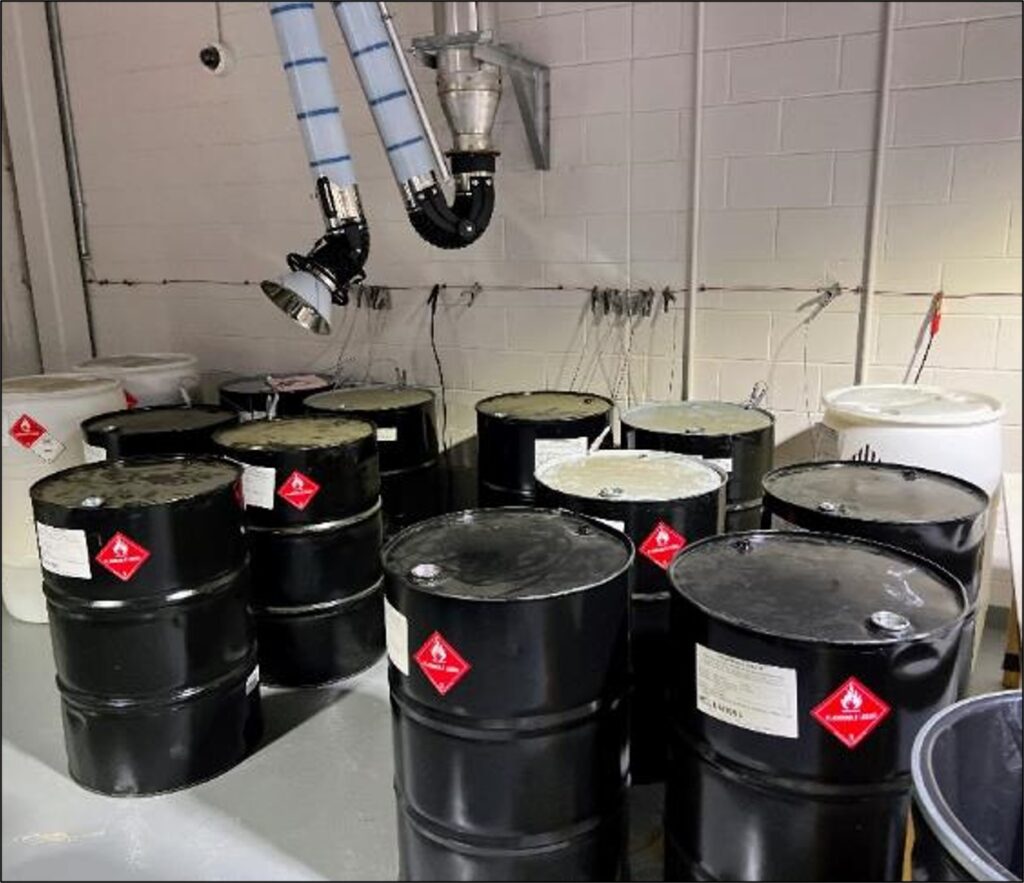
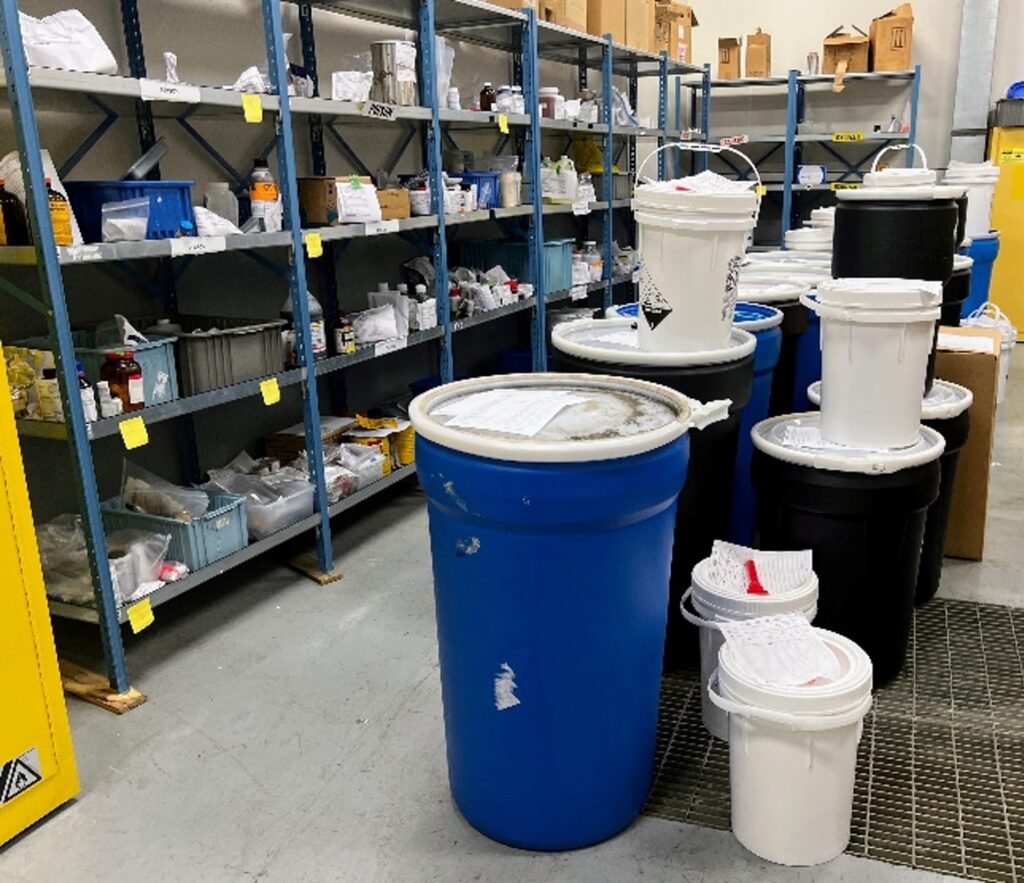
CSS staff are responsible for placing flammables, lean waters (water saved for reuse), flammable toxic chemicals, oils and buffers into 50-gallon drums; organizing and storing similar toxic materials; and packing similar lab waste within large, leak-proof, non-corrosive bins packed with vermiculite to absorb vial leaks.
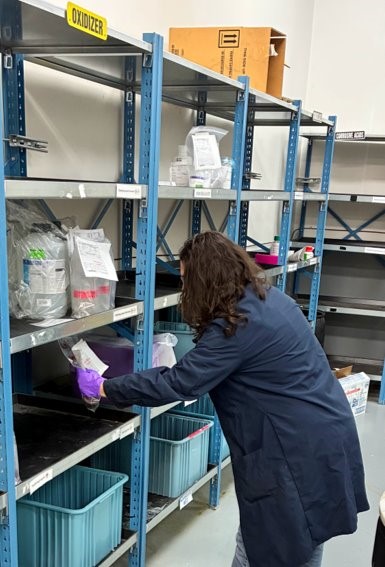
CSS Staff are also tasked with collecting universal waste and provide oversight of storage areas, which include storage for light bulbs (fluorescents, ultraviolet, and LED), aerosol cans, and batteries, which are disposed of by a recycling contractor.
With extensive expertise in packing hazardous waste, CSS staff prepare materials for quarterly shipments for safe transport to a waste disposal facility.
CSS’ proper handling and management of hazardous waste continues to help safeguard CDC campuses from unnecessary risk and reduce incidents.
See More CSS Insights
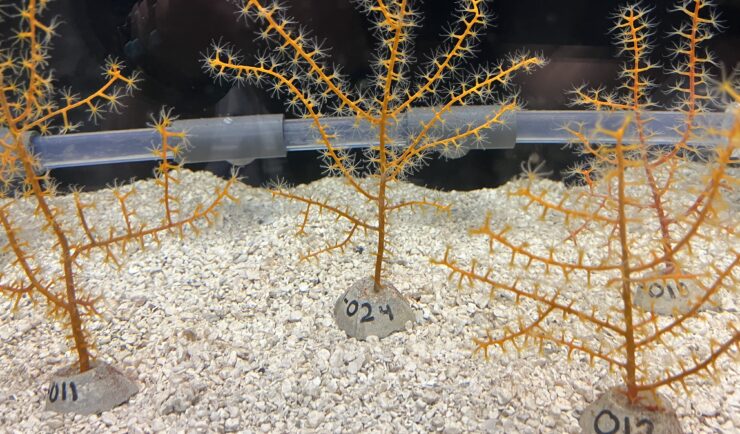
Planning, Preparing for, and Participating in a Major Partner Workshop
The Mesophotic and Deep Benthic Communities (MDBC) team with NOAA’s National Centers for Coastal Ocean Science attended a team meeting at the Wicker Center in Gulfport, Mississippi. CSS employee owners supporting this team (as part of our joint venture with RPI) participated in the meeting January 26-29. The objective of this workshop was for project managers, advisors, and partners to discuss 2025 accomplishments and plan next steps for 2026 and…
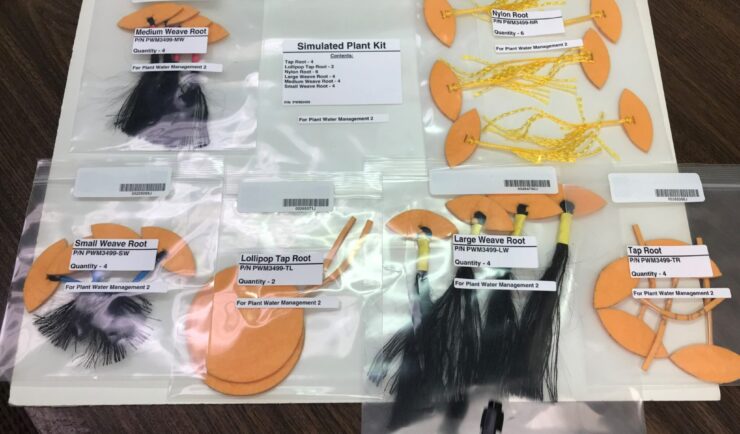
Astronauts Conduct Latest Plant Water Management on the International Space Station
NASA recently performed the sixth iteration of the CSS-supported Plant Water Management experiment on the International Space Station (ISS).
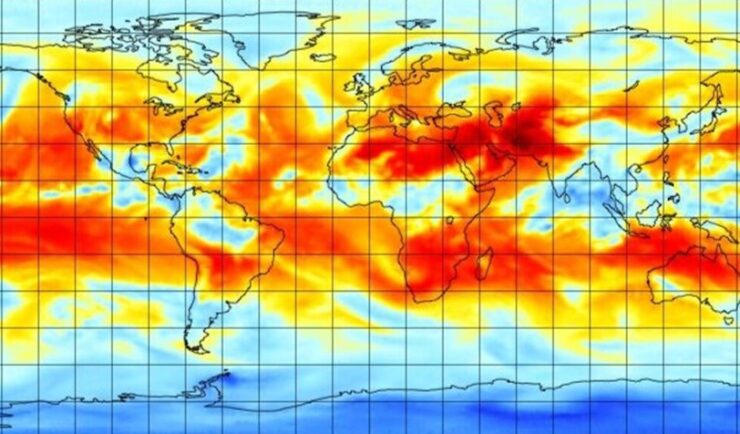
Atmospheric Processing System Support
The NOAA Unique Combined Atmospheric Processing System (NUCAPS) is an operational retrieval algorithm that NOAA’s National Environmental Satellite, Data, and Information Services has been using since 2002. This system generates near real-time atmospheric profiles of temperature, water vapour, and trace gases, as well as Outgoing Longwave Radiation (OLR) needed for weather forecasting. CSS Remote Sensing…