
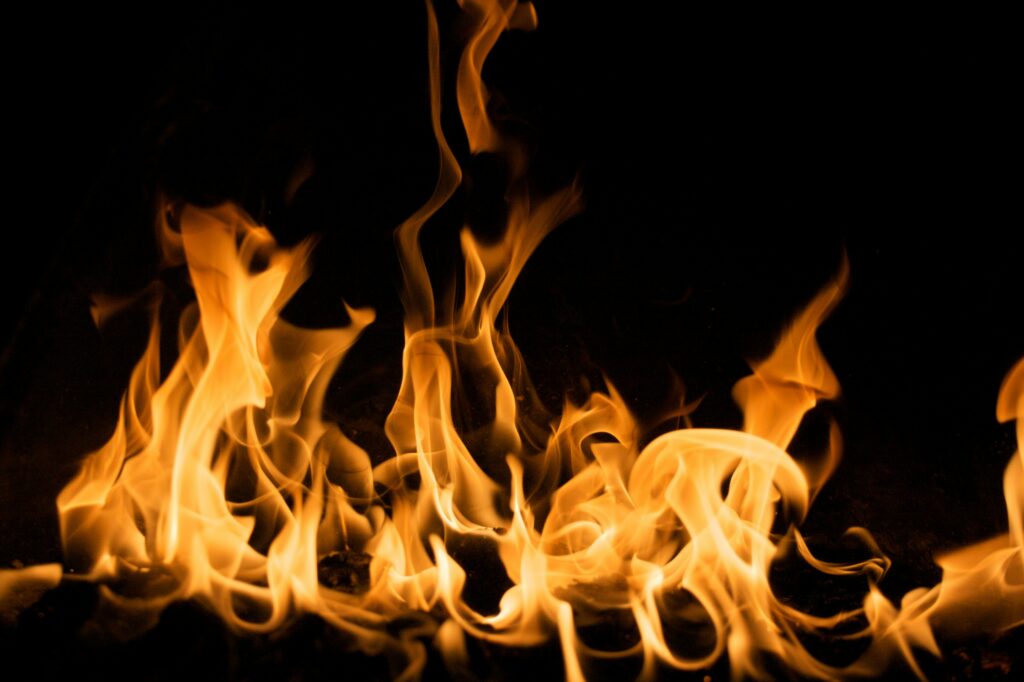
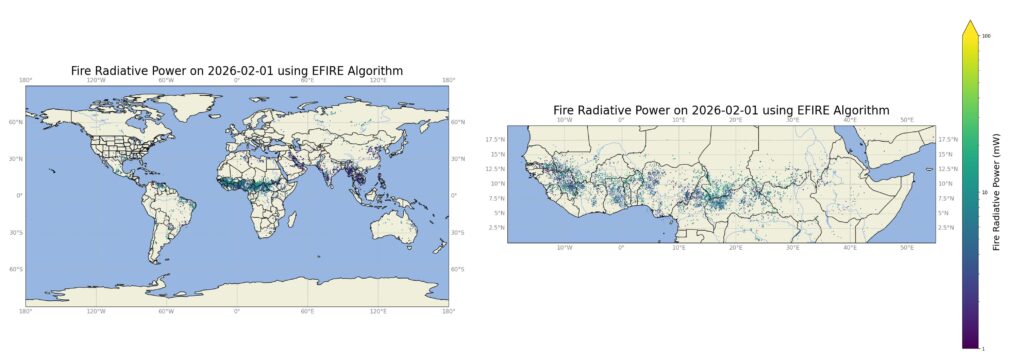
CSS provides fire detection support to the Atmospheric Science and Technology Applications team with NOAA’s National Environmental Satellite, Data, and Information Services. CSS Surface Characteristics Scientist serves on the Fire Emissions and Fire Detection teams, providing data manipulation, algorithm development, and performance evaluation for the system. This ensures fast and reliable satellite data to stakeholders, as well as researchers in the long-term. The CSS surface characteristics scientist will transition to Visible Infrared Imaging Radiometer Suite (VIIRS)-Based Next Generation Fire System data retrieval and validation for the U.S. Department of the Interior federal land fire cases. This system is an experimental satellite-based fire detection algorithm developed by the University of Wisconsin. It uses multi-band imaging capabilities to obtain high-resolution atmospheric imagery and generate a variety of applied products, one of which includes visible and infrared imaging for detecting fires, smoke, and atmospheric aerosols. CSS will be working on location accuracy of fire detection for the Next Generation Fire System.
See More CSS Insights
Rapid Reporting of a Close Call Incident
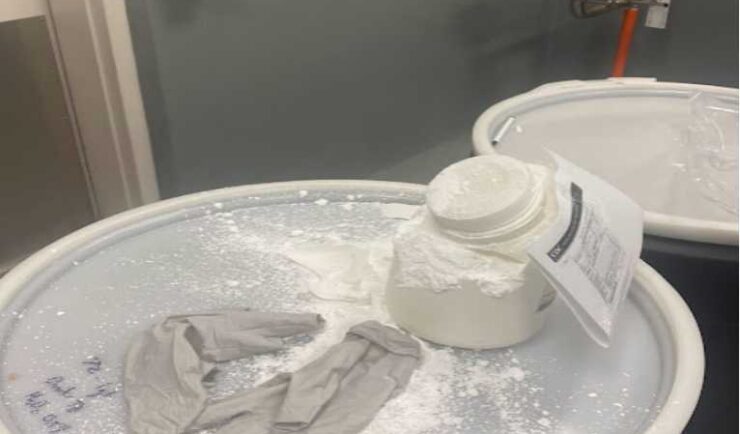
CSS Safety Protocols During a routine collection of waste, a container of white powder disintegrated without warning, causing the powder to spill and be expelled into the air. Thanks to CSS’s safety protocols and quick response, our Center for Disease Control waste disposal staff was able to assess the situation and respond to the chemical…
New Release: Aquaculture Atlas for the Gulf of Alaska
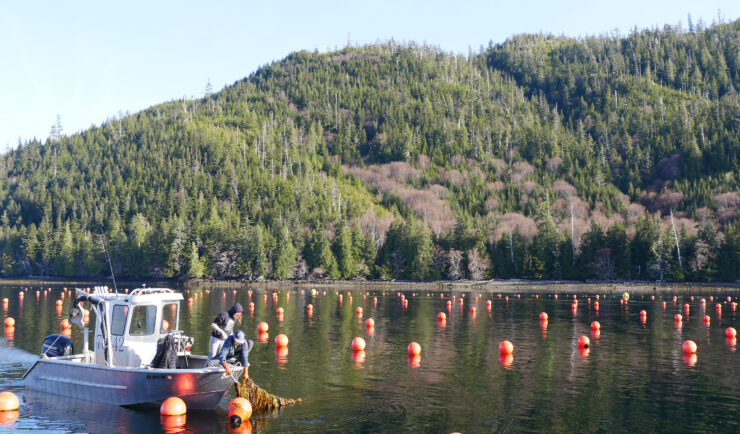
The National Oceanic and Atmospheric Administration (NOAA) has published An Aquaculture Opportunity Area Atlas for the Gulf of Alaska, which identifies 77 potential options in 10 study areas for establishing commercial seaweed and shellfish mariculture in Alaska state waters. For nearly three years, CSS employee owners have been working with partners through our contract with NOAA’s National Centers for Coastal Ocean Science (NCCOS) to support this extensive, cross-agency effort. Since 2023, CSS has supported NCCOS with this collaborative effort,…
Quality Assurance Audit Reports
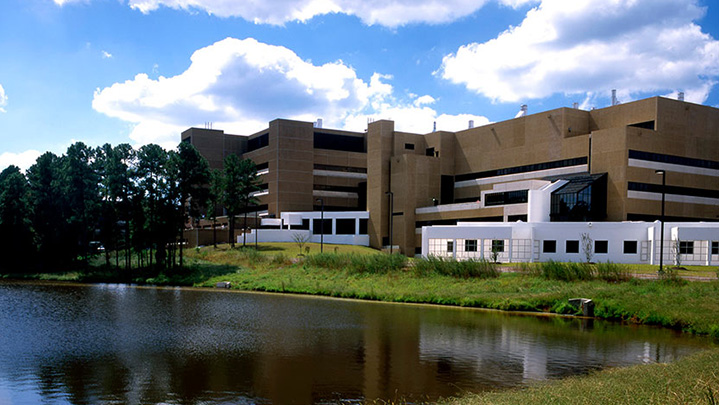
Since 1985 we’ve supported the National Institute of Environmental Health Sciences and have provided more than 1,600 quality assurance audit reports that the client has used to assess the quality of toxicology studies they sponsor. Over the last year our employee owners reviewed several studies involving per- and polyfluorinated substances (PFAS) compounds, or “forever chemicals”,…