
- Success Stories
- Emergency Preparedness & Response
Webinar Support for Emergency Chemical Release Response
Our staff on contract with the Environmental Protection Agency’s (EPA) Scientific and Technical Assistance for Consequence Management Team recently provided support for the development, coordination, and moderation of a pre-Operational Testing and Evaluation of Chemical Remediation Activities webinar for EPA On-Scene Coordinators. The EPA Office of Research and Development presented on the use of provisional advisory levels (PAL). The EPA Office of Emergency Management CBRN Consequence Management and Advisory Division (CBRN CMAD) presented on the process of chemical clearance during an emergency chemical release incident. Our staff assisted the EPA team in developing the event, acted as moderator, and provided technical support. This educational and interactive webinar was critical in providing the On-Scene Coordinators with information that will support them in their efforts during an emergency chemical release event. The webinar was a big success, with approximately 50 participants, and received very positive feedback from attendees.
 EPA Office of Emergency Management gave an interactive presentation on the clearance process after the release of a chemical warfare agent. |  EPA Office of Research and Development gave an interactive presentation on the use of PALs during an emergency chemical release event. |
See More CSS Insights

Supporting Response Efforts Following California Fires
Following the fires that devastated Los Angeles, California and surrounding areas in January 2025, CSS employee owners were deployed to the area as a subcontractor to Weston Solutions, Inc. to assist with the response. This effort supports U.S. Environmental Protection Agency (EPA) Region 9 Superfund Technical Assessment & Response Team (START) program. Initially, a CSS…
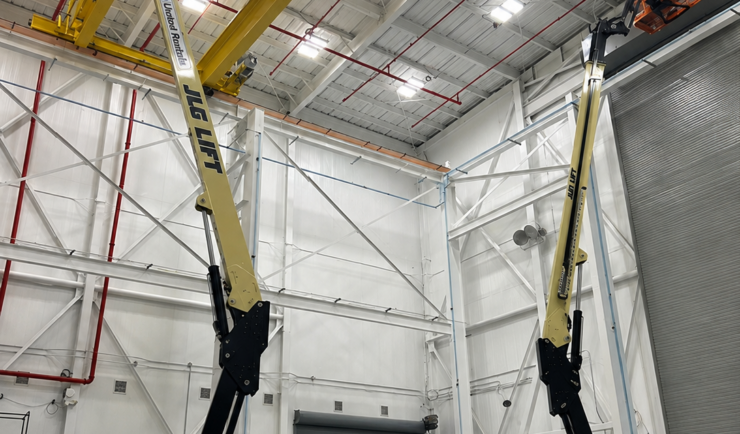
Maintaining Clean and Quality Control Standards
CSS delivers specialized cleanroom services for aerospace and other mission-critical environments. Our trained teams of employee owners safely operate high-reach industrial equipment around sensitive flight hardware and ground support equipment while maintaining strict cleanliness and contamination-control standards. From ongoing cleanroom maintenance and site-specific protocol development to workforce training, CSS provides the expertise needed to support safe, clean, and operationally ready facilities.

Supporting National Ocean Service Financial Management Centers
CSS employee-owners bring exceptional dedication and expertise to the National Ocean Service (NOS) Agreements, Grants, and Acquisitions Division, supporting several Financial Management Centers (FMCs) through complex, high‑priority initiatives. CSS has played a key role in helping FMCs navigate the U.S. Department of Treasury’s G‑Invoicing system during a period of transition and heavy workload. CSS staff recognized the challenges many teams were facing and broke down the system’s complex requirements…