
- Success Stories
- Environmental Resource Assessment & Management
Contributing to Wind Energy Area Designations
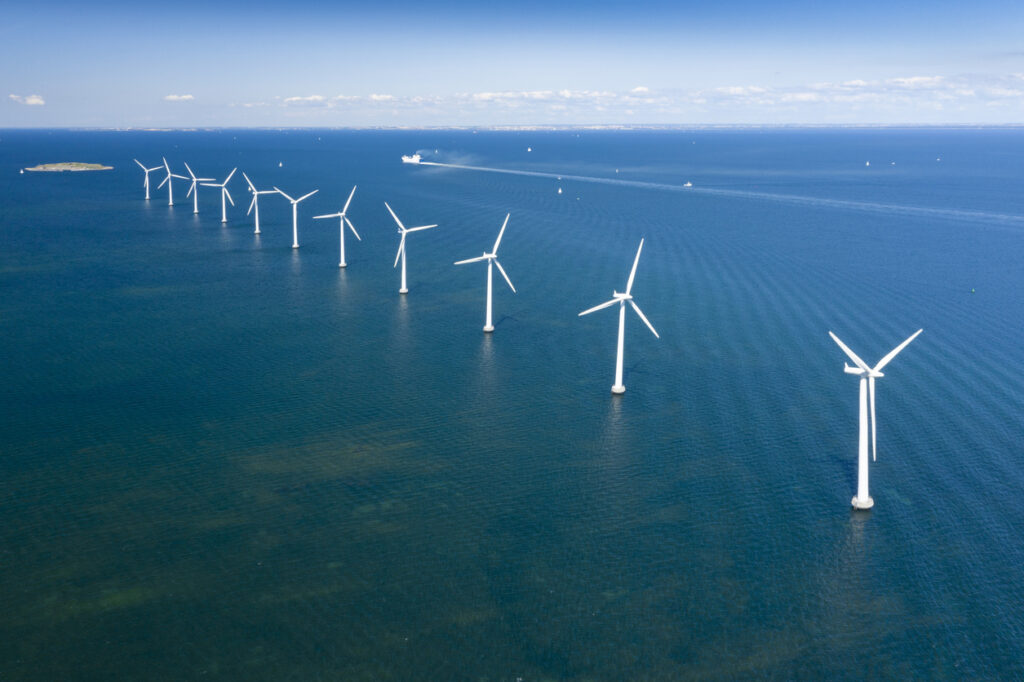
The Bureau of Ocean Energy Management (BOEM) recently announced two Wind Energy Areas (WEAs) in the Gulf of Mexico. The WEAs are located off the coasts of Galveston, Texas, and Lake Charles, Louisiana and have the potential to power nearly three million homes.
BOEM collaborated with the National Oceanic and Atmospheric Administration (NOAA) to identify the most appropriate location for the designation. Our staff supporting NOAA’s National Centers for Coastal Ocean Science worked with the team to build an ocean model that analyzed the entire Gulf of Mexico ecosystem. Through this analysis, BOEM was able to locate areas that have the least conflict with other uses and the lowest environmental impact.
See More CSS Insights
CSS Gains NOAA ProTech Awards
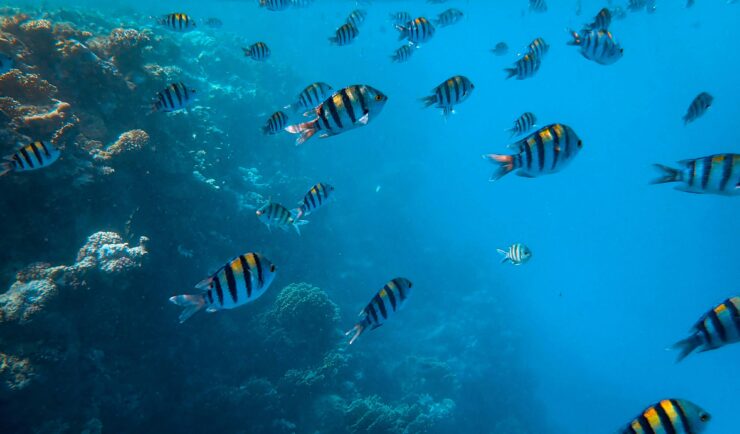
CSS is pleased to announce that NOAA has awarded our new Joint Venture (JV) with Research Planning, Inc. (RPI) a prime contract for two Professional, Science, and Technical Services (ProTech) program domains: ProTech Oceans 2.0, and ProTech Fisheries 2.0. This new RPI-CSS JV results from a Small Business Administration-approved Mentor-Protégé Agreement between CSS and RPI…
Preparing and Delivering Samples for Travel to the International Space Station
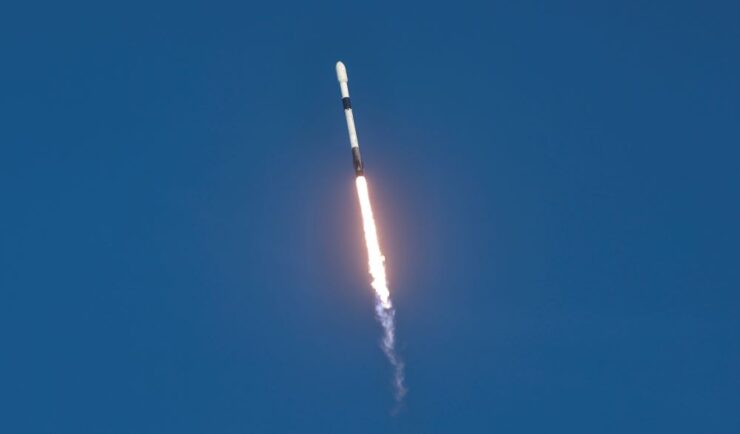
CSS employee owners on contract with NASA delivered six newly prepared Solidification Using a Baffle in Sealed Ampoules (SUBSA)—a high temperature furnace with temperature and timing control for melting samples to create different materials and alloys—samples for the NG-23 launch, which took place on September 14, 2025. On this mission, samples are being delivered for…
Collecting and Studying Deep-Sea Coral
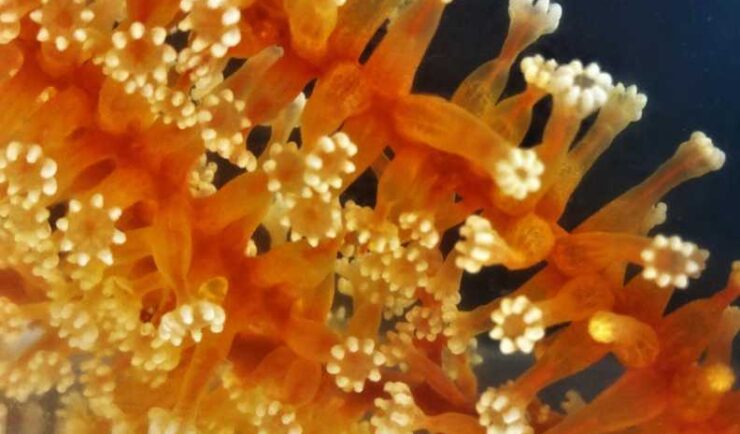
Three of our staff supporting NOAA’s National Centers for Coastal Ocean Science joined a team of nine other scientists on a 12 day expedition to collect deep-sea coral samples in the Gulf of Mexico.