
- Success Stories, Uncategorized
- Emergency Preparedness & Response
Assisting with Design and Validation of Mobile Chemical Analysis Laboratory
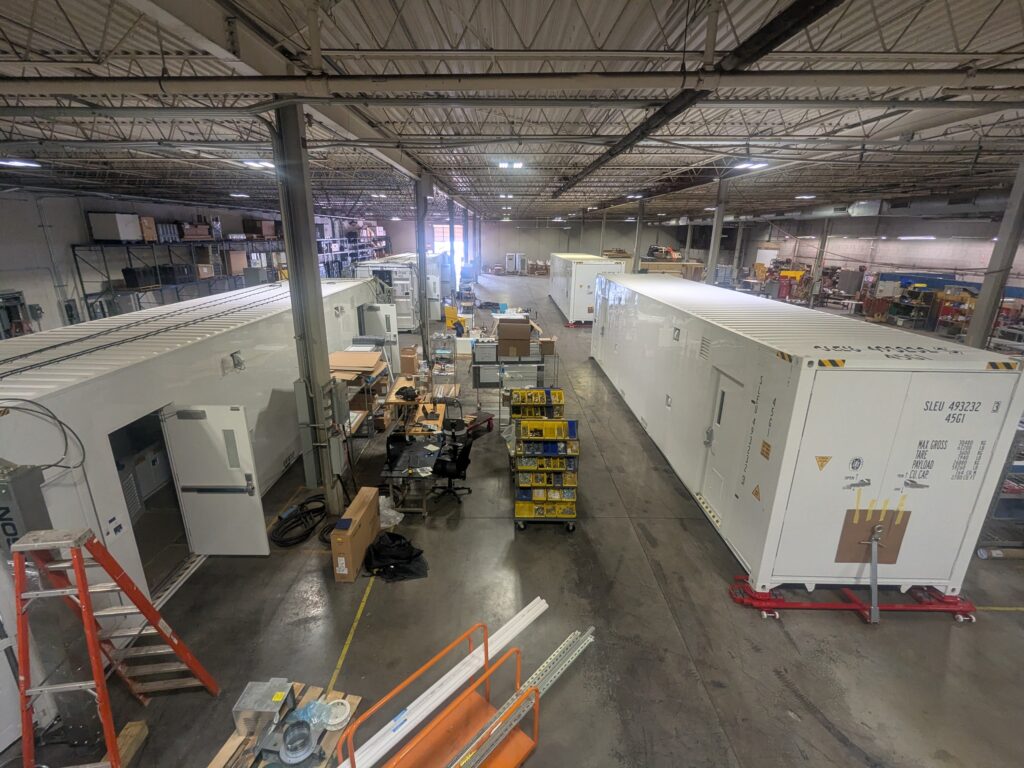
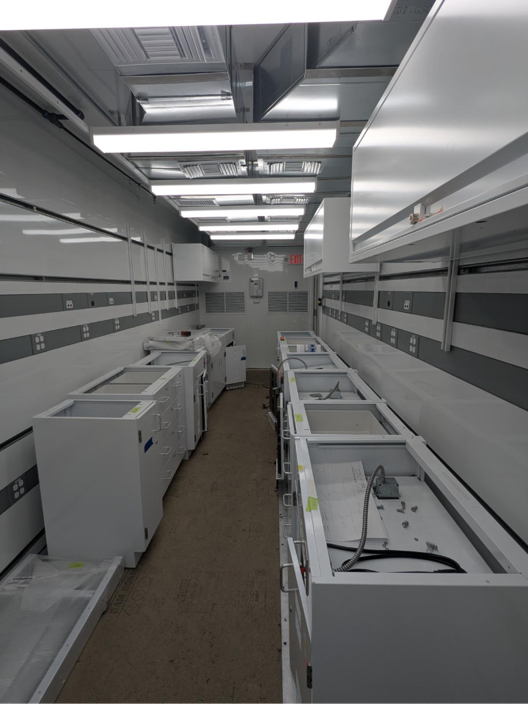
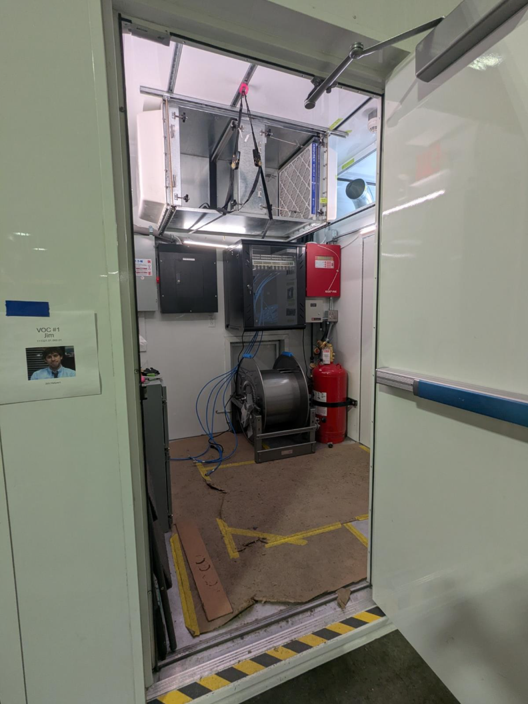
Portable High-throughput Integrated Laboratory Identification System (PHILIS) is the Environmental Protection Agency’s (EPA) suite of mobile laboratories designed to provide on-site analysis of chemical agents. CSS employee owners support the PHILIS team with on-site responses and chemical analysis. CSS PHILIS teams recently supported the technical design and integration of state-of-the-art emergency response mobile laboratory units engineered for the rapid detection and quantification of hazardous materials. CSS PHILIS teams in Castle Rock, Colorado and Edison, New Jersey collaborated with EPA and MRIGlobal — a research- and technology-focused contract company — representatives to orchestrate the configuration of Gas Chromatography-Mass Spectrometry, Liquid Chromatography-Tandem Mass Spectrometry, and preparatory systems to ensure benchtop-level performance under mobile conditions. CSS staff validated all critical support systems, including electrical, information technology (or IT), climate control system (or HVAC), vibration isolation, fume hoods, cabinetry and chemical storage, plumbing, power, fire, lighting, vacuum, and high-purity gas delivery systems. CSS chemistry staff upgraded and organized the current facility to best support the new laboratory units by implementing a transition and decontamination plan, installing an upgraded electrical system with higher voltage and amperage power supplies, and training staff on safe practices in use and movement of the new labs and equipment. CSS staff ensured that the laboratory adhered to safety standards while optimizing workflow for the hazardous material sample receiving, preparation, processing, analysis, and review while deployed to support EPA emergency response activities.
Visit EPA’s website to learn more about PHILIS.
See More CSS Insights
Employees Receive Green Sustainability Award of Excellence
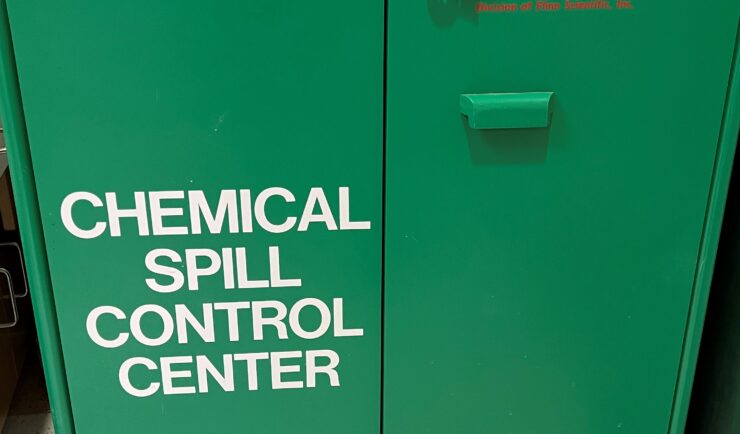
Congratulations to our team supporting the Center for Disease Control (CDC) for receiving the Green Sustainability Award of Excellence. Our team led the charge helping CDC to upgrade their spill cabinets across all campuses (Atlanta, GA; Fort Collins, CO; San Juan, PR), which now include a more sustainable material called Trivorex ®. This highly absorbent…
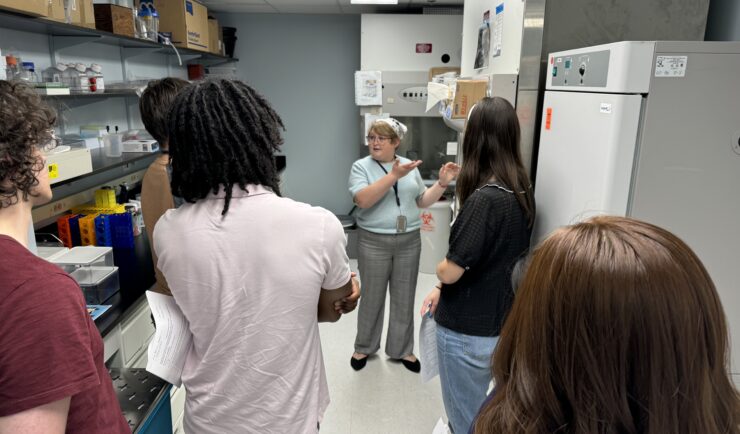
Training the Next Generation of Researchers
CSS staff support the National Institutes of Health (NIH) Division of Occupational Safety and Health by providing Safe Techniques Advance Research Science (STARS) training to summer interns. Following a pause during the pandemic, staff resumed training May 15, 2024. During the in-person STARS training, CSS staff cover key concepts from the pre-requisite NIH Lab Safety…

Monitoring Air Quality in California’s San Joaquin Valley
CSS employee owners supported the deployment and operation of the U.S. Environmental Protection Agency (EPA) air quality monitoring trailer (WEAVE COM – Western Enhanced Air quality VEhicle for COmmunity Monitoring) in California’s San Joaquin Valley in during late fall and early winter of 2024. Elevated particulate matter (PM2.5) is frequently found throughout the valley during…