
- Success Stories
- Facilities Operations & Maintenance
Maintaining Clean and Quality Control Standards
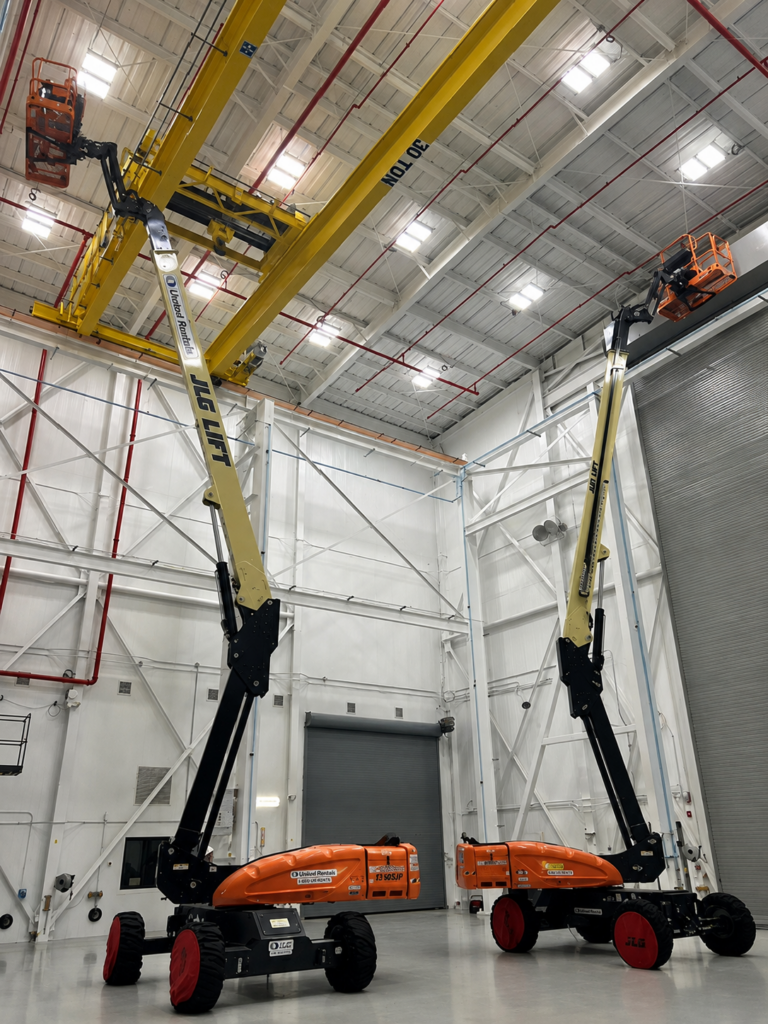
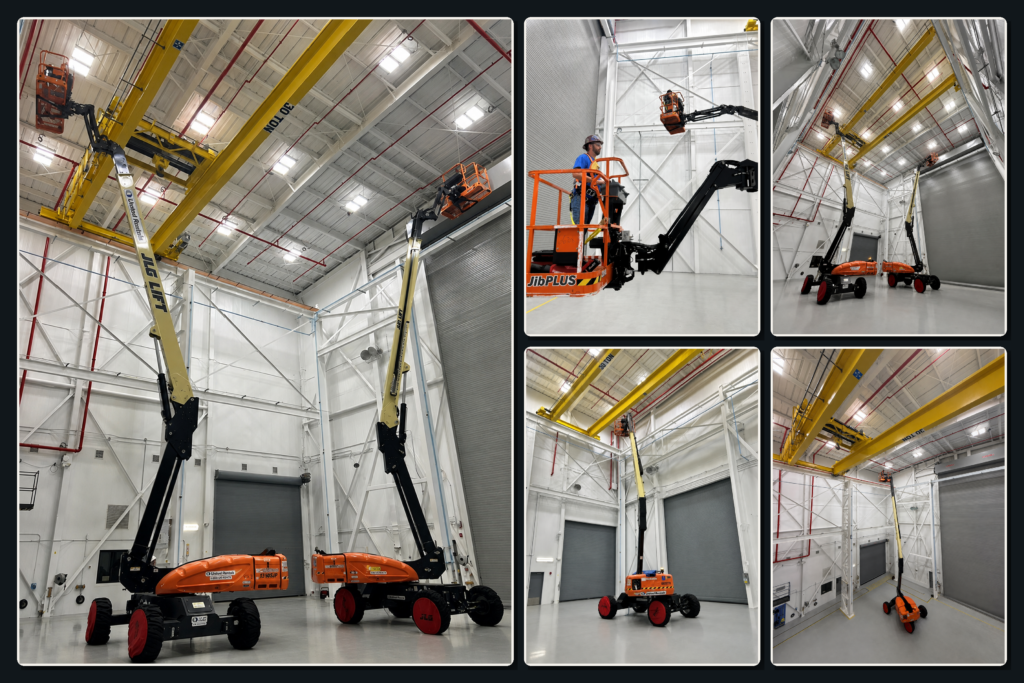
CSS delivers specialized cleanroom services for aerospace and other mission-critical environments. Our trained teams of employee owners safely operate high-reach industrial equipment around sensitive flight hardware and ground support equipment while maintaining strict cleanliness and contamination-control standards.
From ongoing cleanroom maintenance and site-specific protocol development to workforce training, CSS provides the expertise needed to support safe, clean, and operationally ready facilities.
See More CSS Insights
Quality Assurance Audit Reports
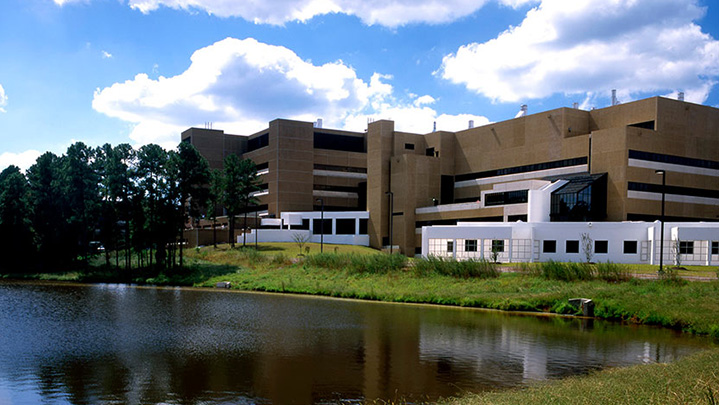
Since 1985 we’ve supported the National Institute of Environmental Health Sciences and have provided more than 1,600 quality assurance audit reports that the client has used to assess the quality of toxicology studies they sponsor. Over the last year our employee owners reviewed several studies involving per- and polyfluorinated substances (PFAS) compounds, or “forever chemicals”,…

New Contract. Same Great Work.
We’re pleased to announce a new small business joint venture with Paul Bechtel & Associates (PB&A), which was awarded a 5-year contract to continue supporting the U.S. Environmental Protection Agency’s (EPA) Office of Pesticide Programs. For 40 years our staff have supported EPA’s Office of Pesticide Programs in the review and evaluation of pesticide data.…

Evaluating the Use of Earth Observations Digital Twin Technologies
Earth Observations Digital Twin technologies are data analytics, artificial intelligence, and advanced modeling technologies that provide an estimate of the true state of the Earth. An Earth Systems Digital Twin is observations-based and grid-flexible with multiple components and high-resolution data over space and time to capture all available observations and feed a variety of direct…