
- Success Stories
- Space Science Application Support & Operations
Ensuring Safety and Support for Sample Testing on the International Space Station
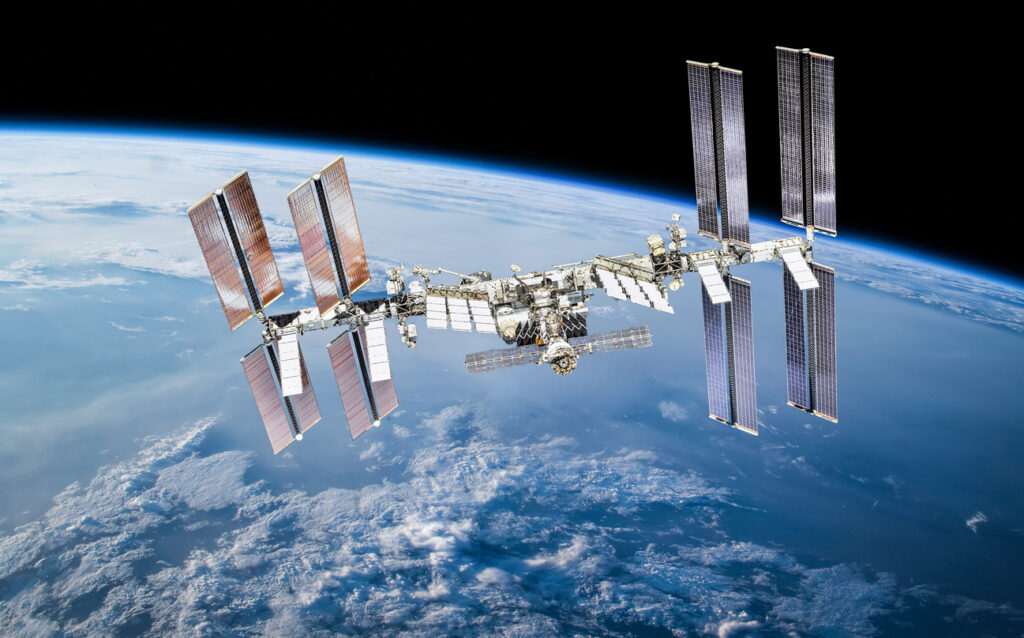
The International Space Station (ISS) gives scientists the opportunity to study the effects of space travel on human and plant tissues as well as understand how physical materials react during formation or exposure to a microgravity environment. CSS provides integrative expertise to NASA to support research and development and technology demonstrations conducted on the ISS, including a recent experiment testing a new technique for growing semimetal conductor composite crystals in microgravity. The intent is to develop these crystals into “wafers” by capitalizing on the unique physical characteristics of microgravity that reduces the potential for inconsistencies and imperfections during the formation process improving their use in electronic devices.
For this effort, CSS employee owners work with all the stake holders (NASA project team, principal investigator (PI) team, operations team and ISS Integration team) to develop a research mission that ensures all science objectives and engineering requirements are met, and the payload is safe for ISS operations. Additionally, CSS staff support ISS crew members during real-time operations to ensure mission success. Finally, after the testing, CSS ensures delivery of the samples/ science back to the PI team for analysis.
The new material recently endured a successful mission on orbit, and the team turned over six new samples for delivery to the International Space Station.
Visit the Space.com photo of the day to learn more about the crystal wafers.
See More CSS Insights
Providing Data Products for More Effective Consumption
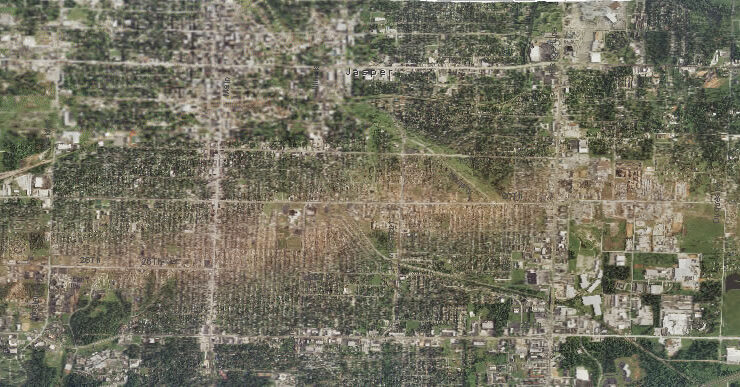
The National Oceanic and Atmospheric Administration’s (NOAA) National Centers for Environmental Information (NCEI) is responsible for providing data, products, and services that help businesses and organizations operate more efficiently and effectively. As such, these data and products need to be available in a publicly accessible and digestible format the audience are able to understand. To…
Fire Detection Support
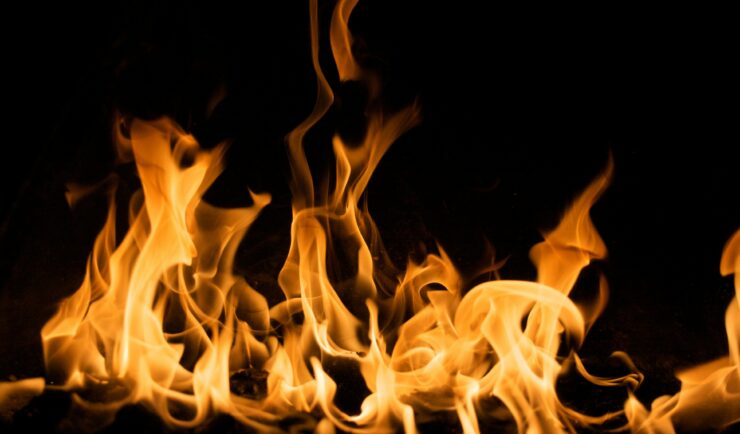
CSS provides fire detection support to the Atmospheric Science and Technology Applications team with NOAA’s National Environmental Satellite, Data, and Information Services. CSS Surface Characteristics Scientist serves on the Fire Emissions and Fire Detection teams, providing data manipulation, algorithm development, and performance evaluation for the system. This ensures fast and reliable satellite data to stakeholders,…
Emergency Response Support for the Republican National Convention
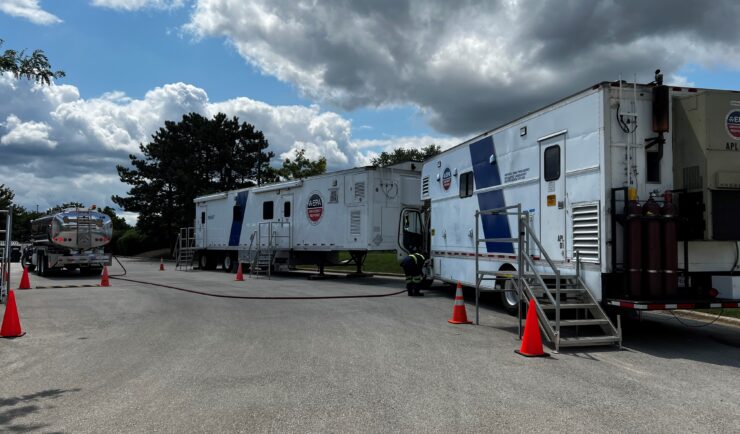
CSS employee owners on contract with the U.S. Environmental Protection Agency’s Portable High-throughput Integrated Laboratory Identification System — a mobile analytical unit known as PHILIS — provided emergency response support for the 2024 Republican National Convention. PHILIS mobile laboratory units are designed to provide onsite analysis of environmental conditions, including air and soil samples, contaminated…