
- Success Stories
- Satellite Science & Environmental Intelligence
Supporting the Development and Refinement of Advanced Atmospheric Sounding Products
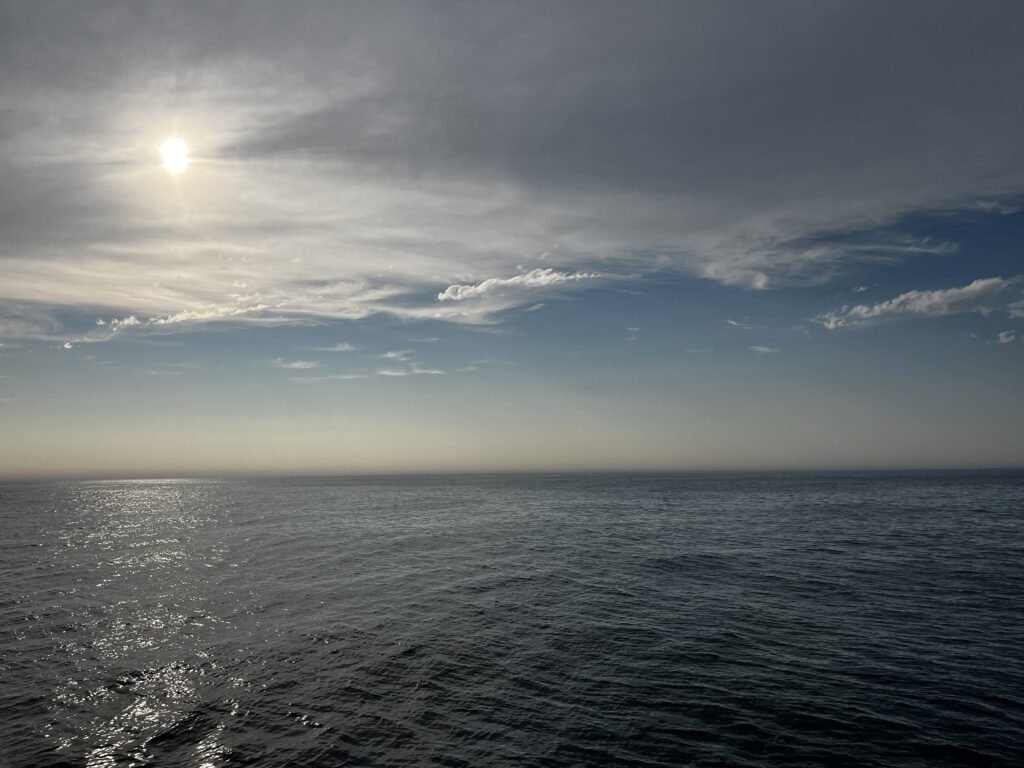
The National Oceanic and Atmospheric Administration’s (NOAA) Unique Combined Atmospheric Processing System (NUCAPS) provides critical information on temperature, moisture, ozone, and other variables that help forecasters and climate experts understand conditions throughout the atmosphere. CSS Employee Owners are key contributors to the team, supporting the development and refinement of advanced atmospheric sounding products.
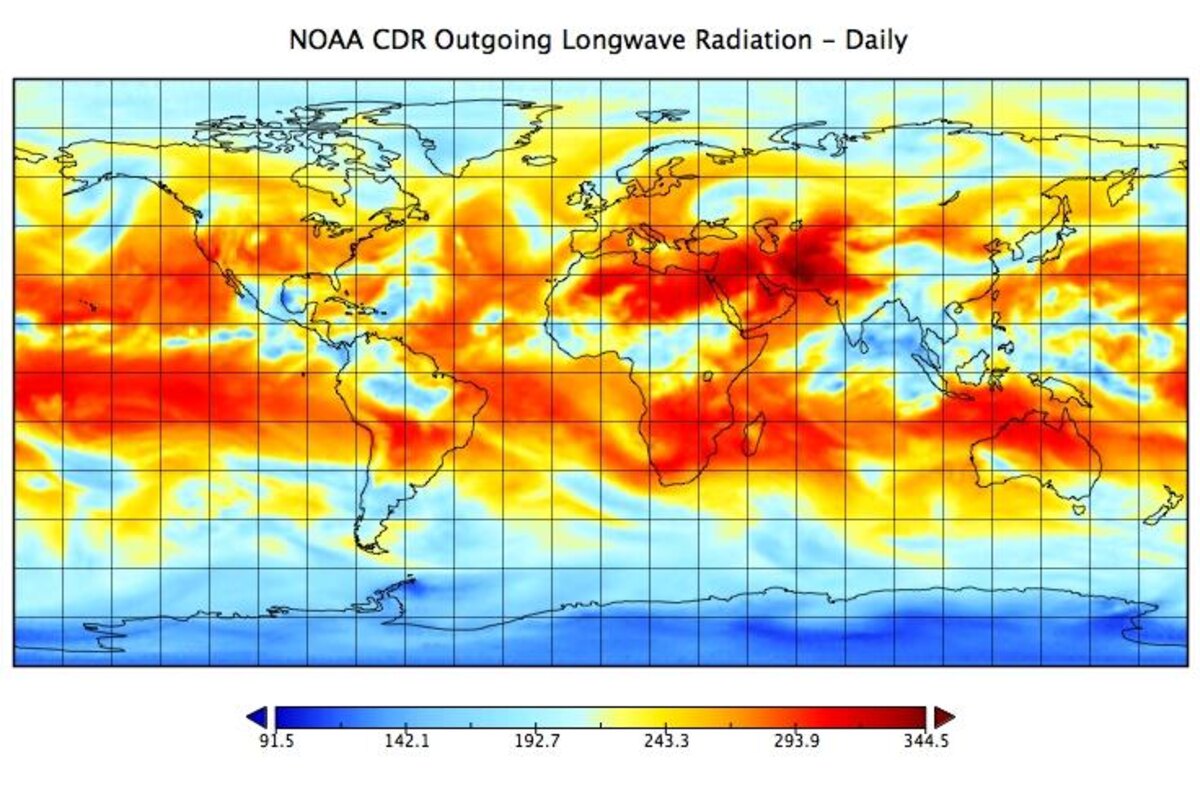
The work of CSS centers on improving the algorithm behind Outgoing Longwave Radiation, the key indicator of Earth’s energy balance and climate system. CSS supports NOAA’s Amazon Web Service cloud‑based mission‑long reprocessing efforts, ensuring continuous, accurate data records using up‑to‑date algorithms. These long‑term datasets are essential for monitoring Earth’s changing climate and supporting sustainability planning.
In addition, CSS contributes to Aerosols and Ocean Science Expedition campaigns, which include dedicated radiosonde launches over tropical oceans to validate NUCAPS temperature and humidity profiles. These observations strengthen NOAA’s ability to produce more reliable weather and climate insights.
Through this work, CSS contributions support NOAA’s mission to maintain healthy ecosystems, communities, and economies that are resilient to change, which is critical as natural disaster costs continue to climb into the tens and hundreds of billions of dollars each year. The expertise of CSS Employee Owners helps provide the foundational science behind forecasts, warnings, and climate assessments used by scientists, policymakers, and emergency managers.
See More CSS Insights
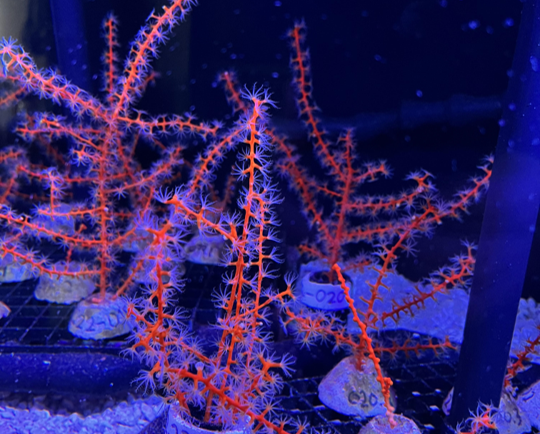
Studying Mesophotic Coral Health
Mesophotic coral can live at depths of 500 feet below the ocean surface. Even at this depth, some of the mesophotic corals in the Gulf of Mexico were affected by the Deepwater Horizon oil spill in 2010. Our coral scientists supporting NOAA’s National Centers for Coastal Ocean Science are studying the extent of this impact.…
Strengthening Risk Communications Training Support to Clients
A CSS employee owner supporting NOAA’s Office for Coastal Management (sub-contracted through Lynker Technologies) has been working closely with colleagues to develop, improve, and deliver trainings related to risk communication. The CSS trainer delivered their first training of Building Risk Communications Skills in Rhode Island to an audience of over 30 coastal managers, planners, practitioners, and a U.S. Representative. The training was well received and will help participants develop new…
Over 40 Years of Support
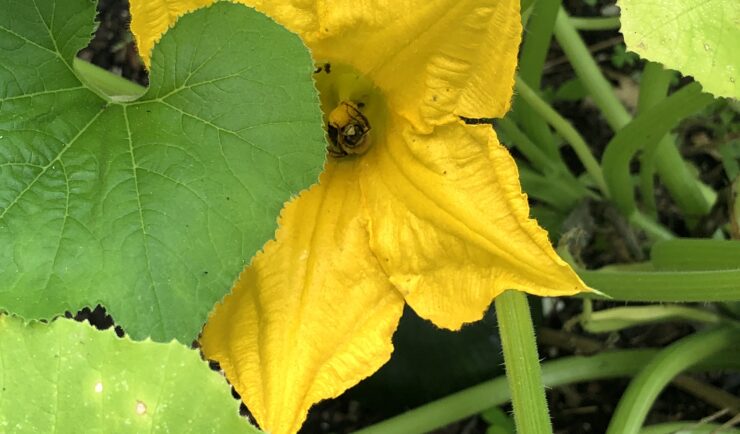
Since 1982, members of our staff have supported EPA’s Office of Pesticide Programs. As part of this contract, our staff assess environmental and human health impacts on anthropogenic chemicals. The agricultural industry is critical to food and textile production, it is a large contributor to the U.S. economy. Not only does the industry provide food…