
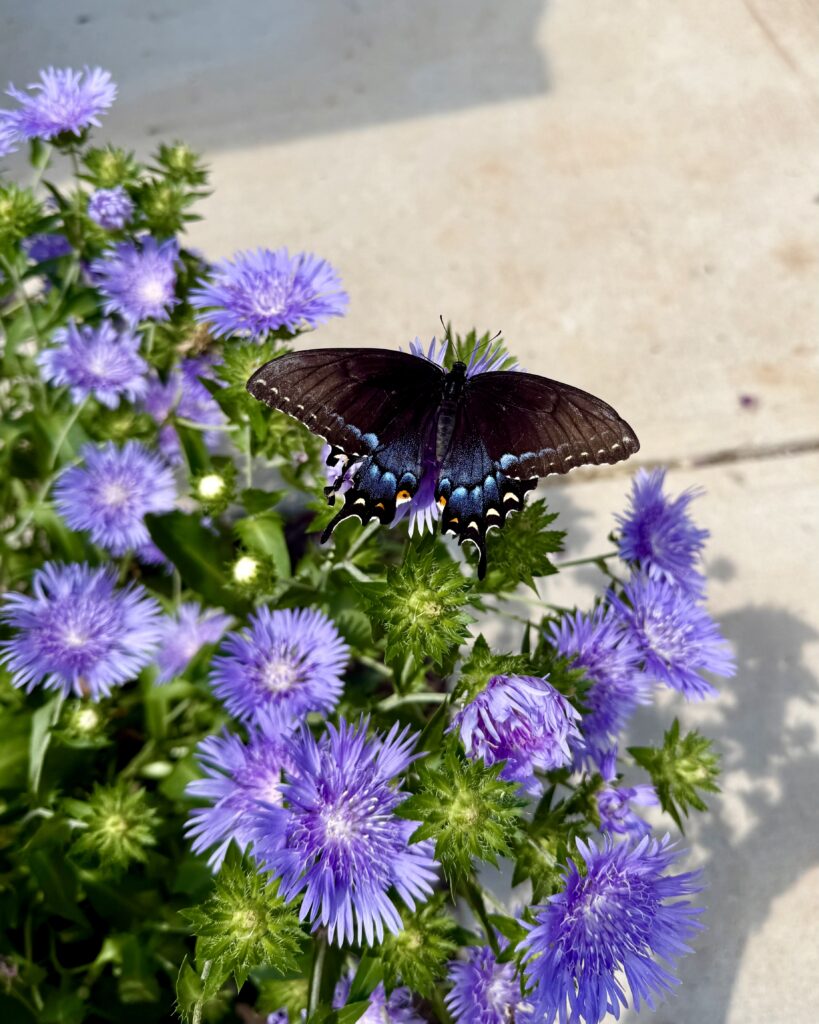
Pollinator Week is an annual international celebration that emphasizes the importance of bees, butterflies, birds, and other pollinators each June. Pollinators facilitate the reproduction of over 80 percent of the world’s flowering plants and are responsible for one out of every three bites of food we eat. However, pollinators have been experiencing unsustainable mass die-offs and long-term population declines in recent years, primarily due to habitat loss, pesticide use, and severe climate events.
The CSS Employee Engagement Committee – a volunteer group of employee owners – held a photo contest to celebrate, build awareness, and spark interest in Pollinator Week.
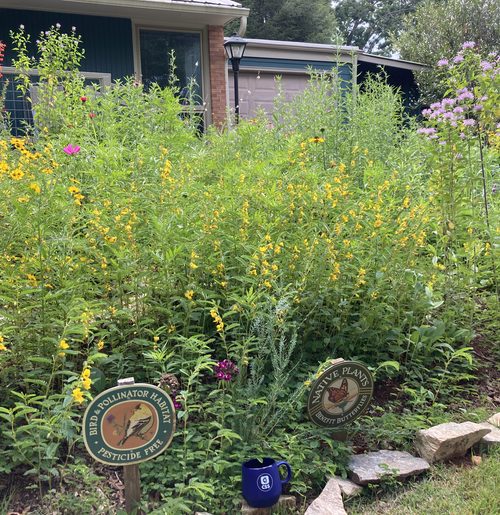
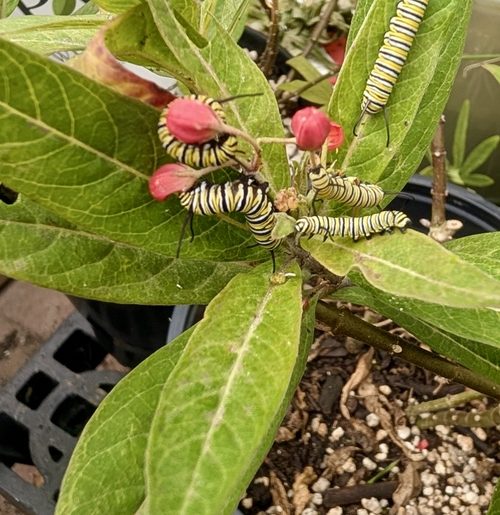
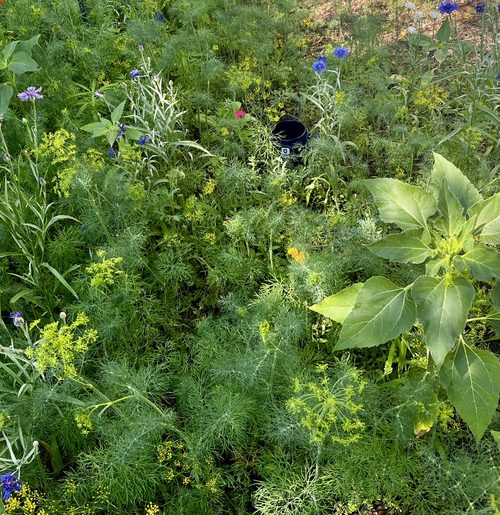
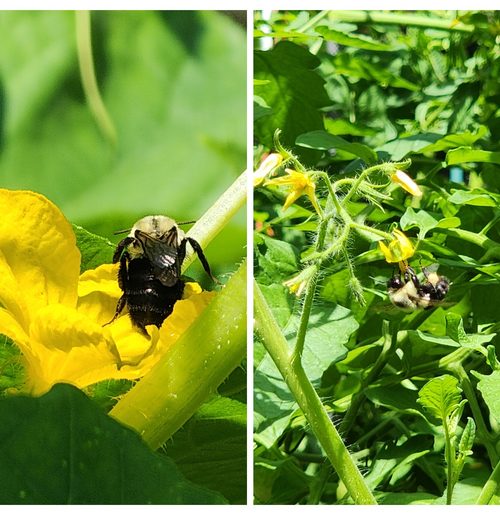
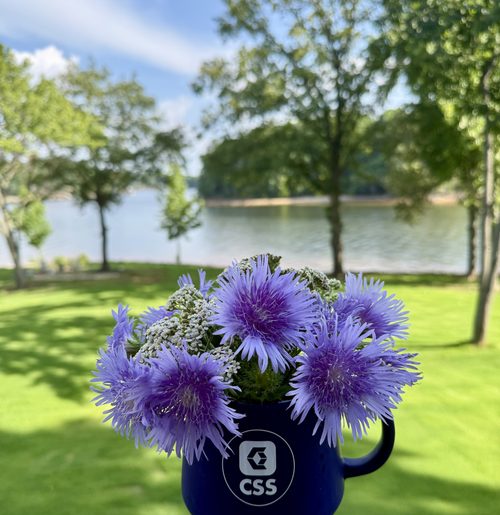
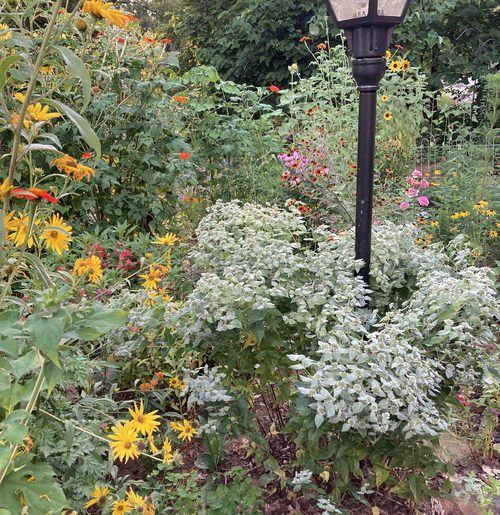
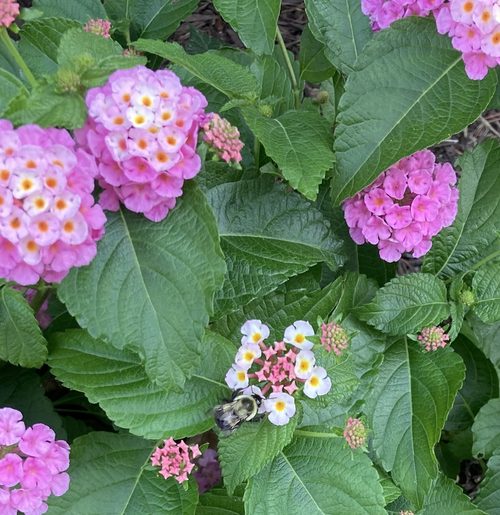
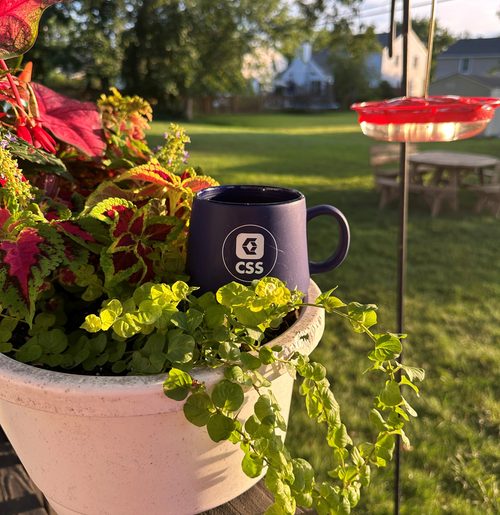
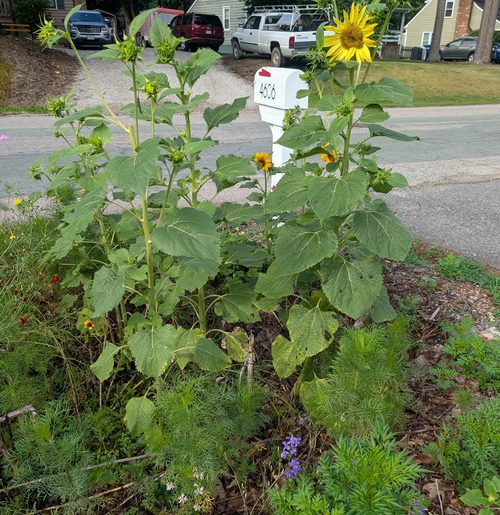
The committee encouraged employee owners to submit a photo of their contributions to their local pollinator ecosystem. Those who submitted photos were entered into a raffle to win prizes. This got employees excited to learn more about their region’s native plant and pollinator species and get out of the house and garden. The response was outstanding! Employees shared garden plots with native shrubs and flowers that attract local pollinators, bird feeder stations, and collaborations with local environmental charities. The event was such a hit, it is now slated to occur annually! We could not have done it without the hard work of our employee engagement volunteers and the participation of our employee-owners, who proved that their dedication to environmental stewardship extends well beyond their job responsibilities!
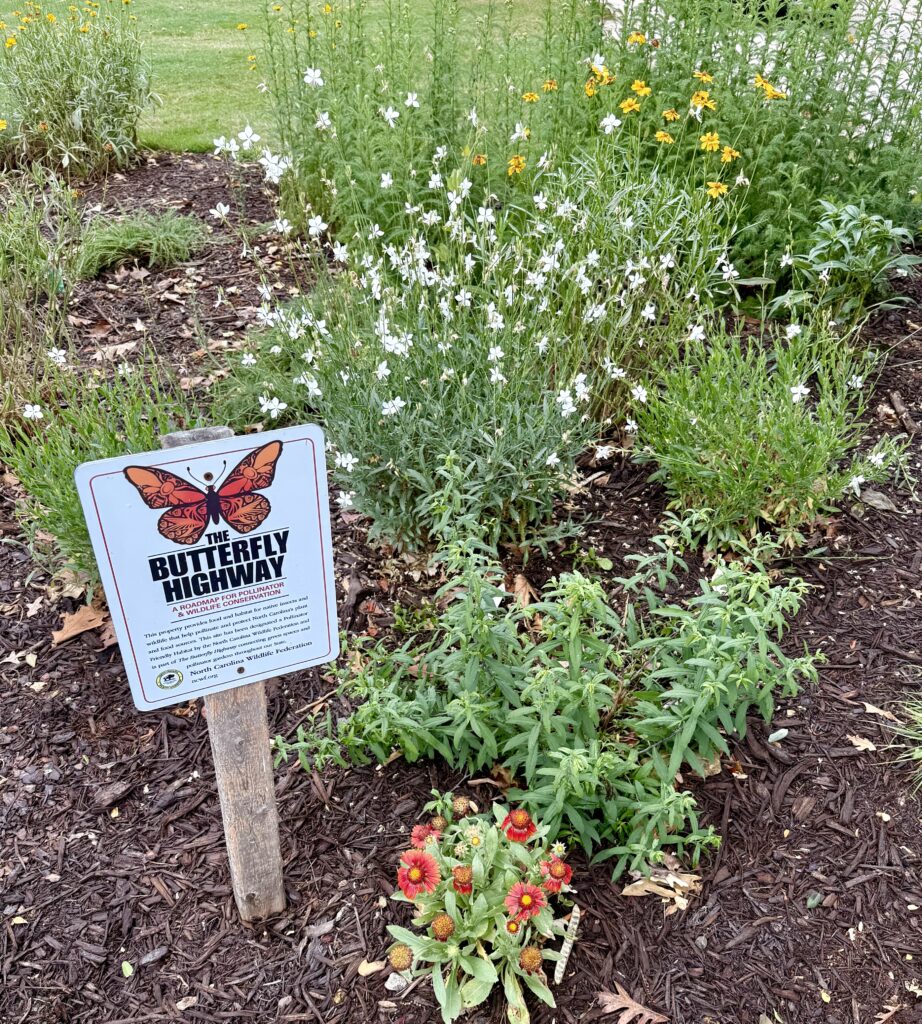
Scroll through the photos below to view our employee owners’ beautiful pollinator gardens!
Visit Pollinator.org to learn more about pollinators and ways to help.
About the Employee Engagement Committee
The CSS Employee Engagement Committee is dedicated to encouraging employee owners to stay connected while overcoming the geographic hurdles of being spread across the country and working from home. The committee meets monthly to brainstorm and organize company-wide activities. The committee hosts contests, virtual events, and fundraisers throughout the year.
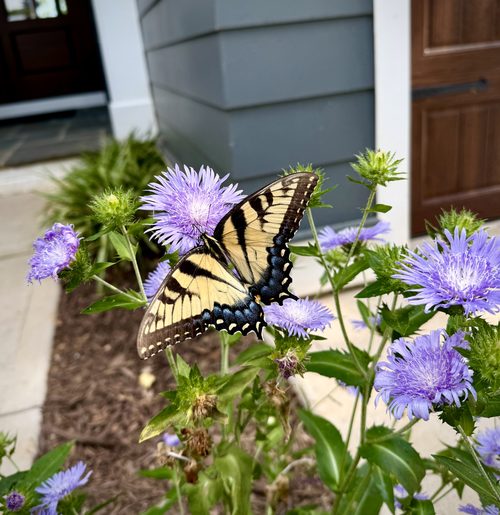
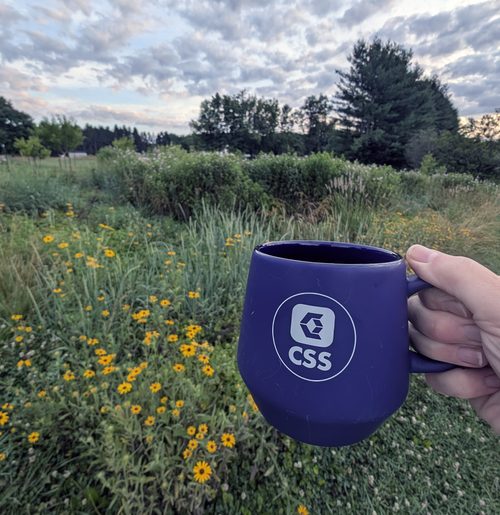




See More CSS Insights
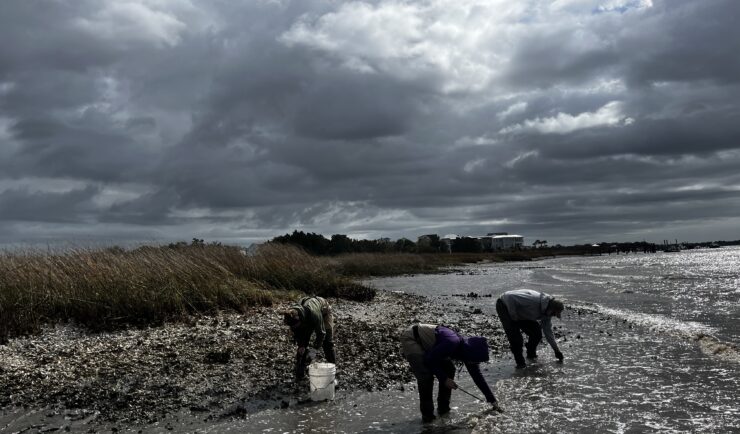
Celebrating 40 Years of Monitoring Coastal Health
Since 1986, the National Oceanic and Atmospheric Administration (NOAA) National Mussel Watch Program has been monitoring and documenting chemical contaminants in coastal waters using bivalves. Used for their ability to filter water and retain contaminants within their tissues, bivalves help quantify the presence of chemical contaminants within the waters in which they reside. The Mussel…
Safety Support To First Responders
First responders put their lives on the line to help others, and our team helps safeguard their protection. Our team on contract with the National Institutes of Health (NIH) Respiratory Protection Program works with staff to test respirators and establish secure fits. Similarly, they provide these fit tests for fire department personnel on a regular…
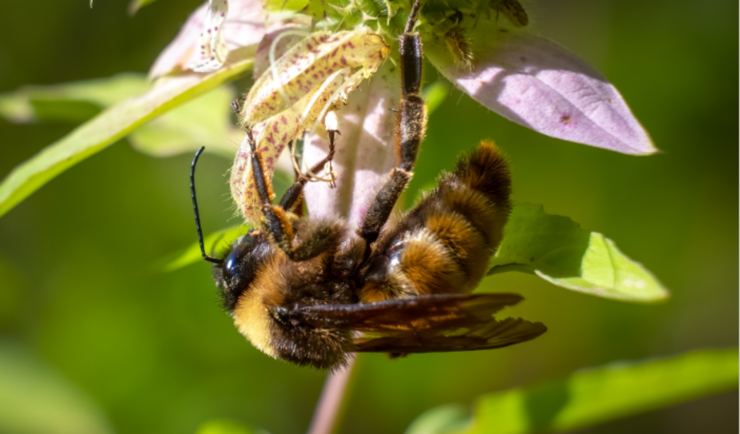
Developing a Database for Ecosystem Service Models
CSS scientists have been major developers and contributors to the online U.S. Environmental Protection Agency’s EcoService Models Library (ESML) database since its inception in 2012. The ESML database contains detailed but concise descriptions of ecosystem service models to facilitate the selection of models by ecosystem scientists for a variety of management and research applications. The…