
- Success Stories, Uncategorized
- Environmental Resource Assessment & Management
Celebrating 40 Years of Monitoring Coastal Health
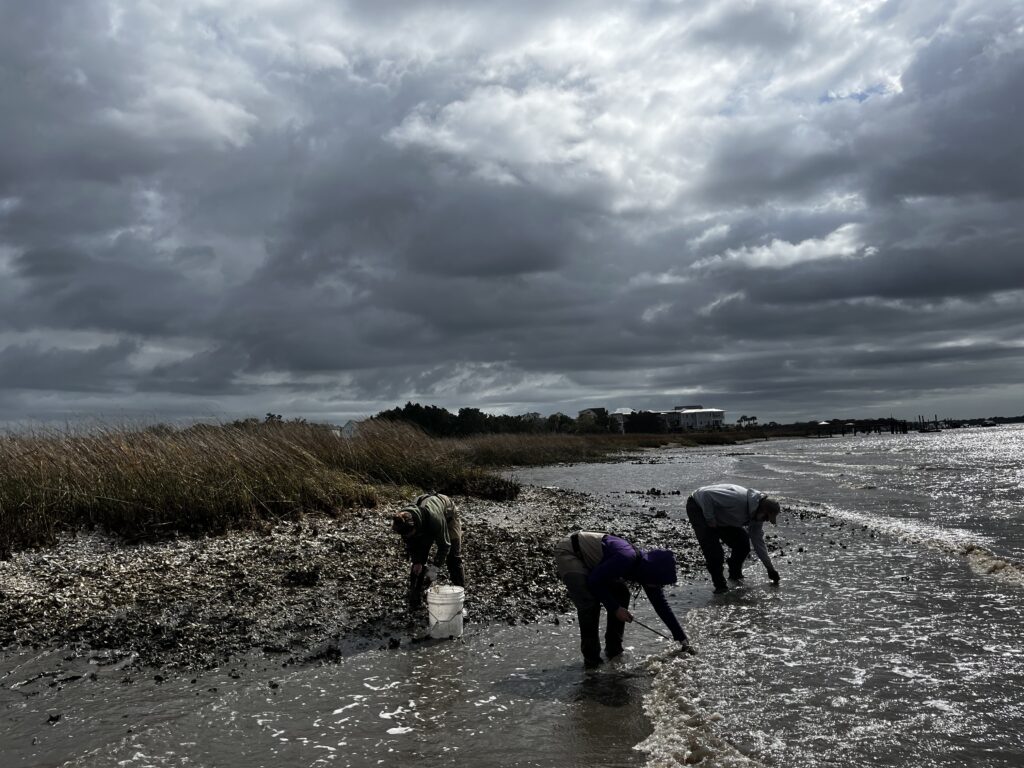
Since 1986, the National Oceanic and Atmospheric Administration (NOAA) National Mussel Watch Program has been monitoring and documenting chemical contaminants in coastal waters using bivalves. Used for their ability to filter water and retain contaminants within their tissues, bivalves help quantify the presence of chemical contaminants within the waters in which they reside. The Mussel Watch Program has used this information to establish long-term baseline contaminant levels and track trends over the past 40 years.
Upon its inception, the program started with monitoring approximately 145 sites. Within these 40 years, the Mussel Watch Program built a network of regional and local partners, which has enabled the program to grow, expanding to additional collection sites to 425 in the Pacific, Atlantic, Gulf of America, and the Great Lakes. The program originally focused on legacy contaminants like DDT and PCBs and has increased the screening list to over 600 contaminants, including PFAS – forever chemicals found in items such as fire retardants, food wrappers, nonstick cookware, and other everyday items.
Through our contract with NOAA’s National Centers for Coastal Ocean Science, CSS has supported this effort for many years, providing administrative, logistical, on-the-ground collection support, and writing technical reports summarizing their findings following the completion of the contaminant analysis for each region.
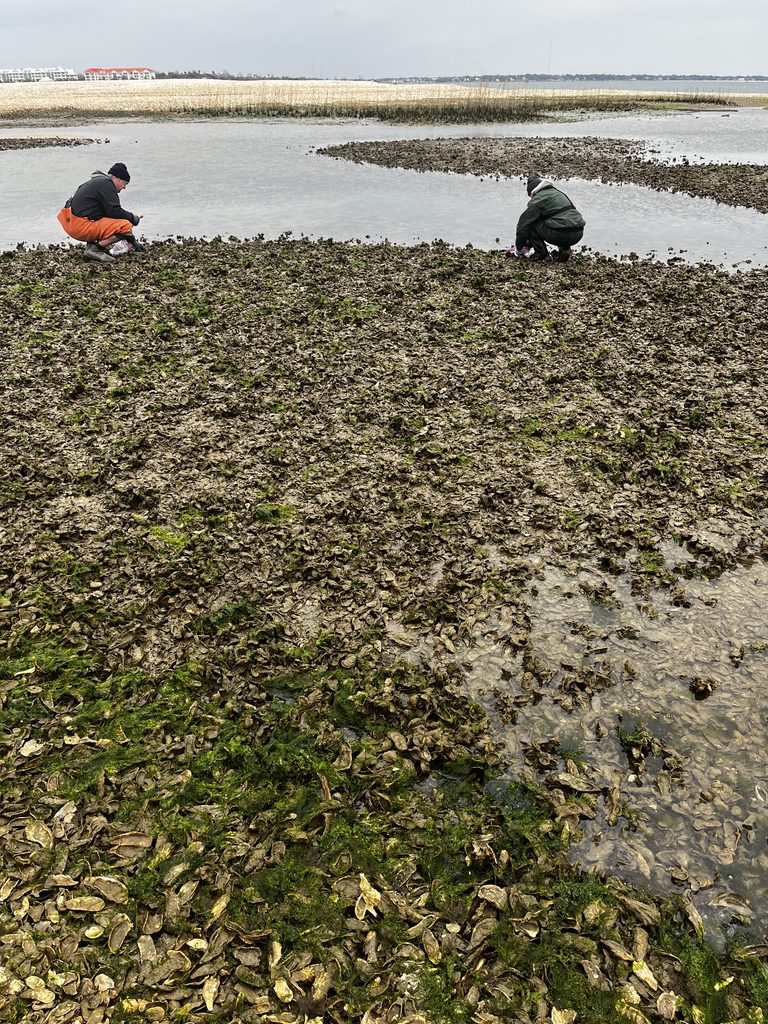
CSS employee owners are responsible for devising the yearly collection schedule, organizing missions, establishing local partnerships, and shipping materials to each site. This is a massive undertaking that requires strategic planning and organization – one that has ensured the Mussel Watch Program continued to operate efficiently and effectively.
Learn more about NOAA’s National Mussel Watch Program and the contributions of CSS employee owners.
See More CSS Insights
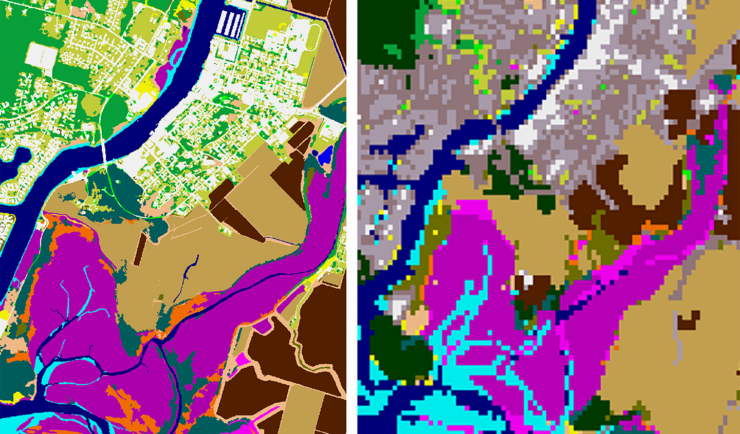
New Heavily Desired High Resolution Land Cover Data for the U.S.
The National Oceanic and Atmospheric Administration recently announced the launch of the long desired high-resolution coastal land cover data. This highly anticipated data are available for most coastal areas of the U.S., including Alaska and the U.S. territories. CSS employee owners contributed to the release of this data set by participating in production activities and…
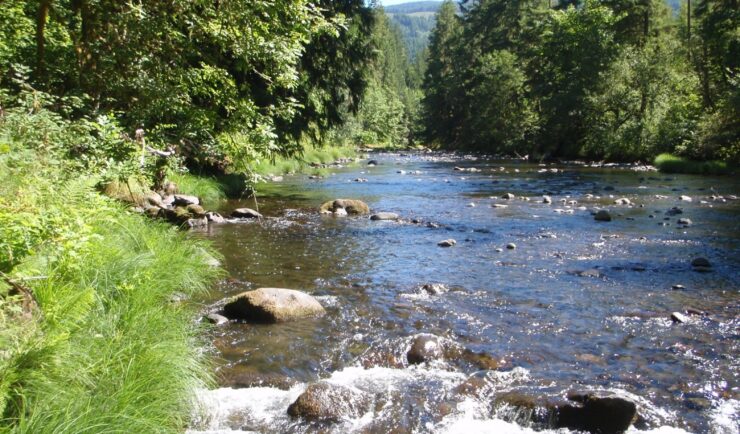
Over 2000 River and Stream Samples Analyzed
Every five years teams supporting U.S. Environmental Protection Agency’s National Aquatic Resource Survey—consisting of tribal, state, and federal partners—collect samples from over 2000 river and stream reaches throughout the United States. CSS analytical chemists support this effort by processing the samples and then analyzing them for various chemicals to help characterize their water quality. The…

Employee Owners Nominated for NOAA Gold Medal Award
Congratulations to CSS employee owners supporting NOAA’s National Centers for Coastal Ocean Science for their nomination for the NOAA Gold Medal Award! CSS employee owners have been critical members of the team charged with the rapid development of spatial models that aid in offshore wind planning in the Gulf of Mexico. The team has collected…