
- Success Stories
- Environmental Resource Assessment & Management
Collecting and Studying Deep-Sea Coral
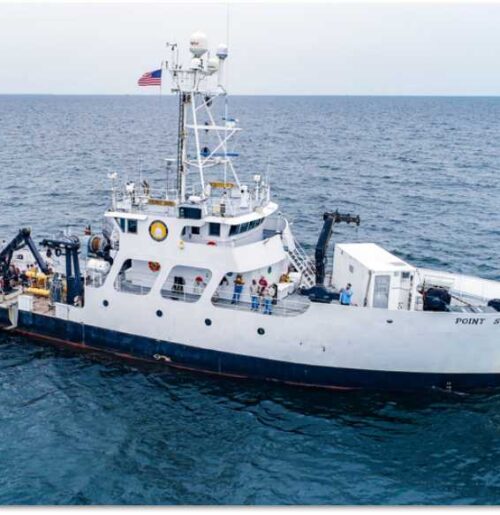
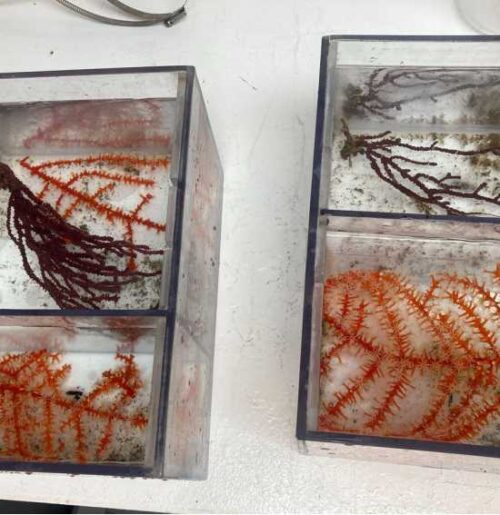
Three of our staff supporting NOAA’s National Centers for Coastal Ocean Science joined a team of nine other scientists on a 12 day expedition to collect deep-sea coral samples in the Gulf of Mexico. After completing 23 dives at 14 sites the team collected 36 live samples of coral, some of which have never previously been kept in an aquaria environment. The team also collected genetic samples, water samples for eDNA and aquaculture reference, and samples for microbiology and microscopy. The team transported the live coral samples to the Hollings Marine Laboratory in Charleston, South Carolina where they will be studied for genetics, population connectivity, reproduction, and other important information that help scientists understand and protect coral reefs.

See More Success CSS Stories

Supporting the Development and Refinement of Advanced Atmospheric Sounding Products
The National Oceanic and Atmospheric Administration’s (NOAA) Unique Combined Atmospheric Processing System (NUCAPS) provides critical information on temperature, moisture, ozone, and other variables that help forecasters and climate experts understand conditions throughout the atmosphere. CSS Employee Owners are key contributors to the team, supporting the development and refinement of advanced atmospheric sounding products. The work…

Contributing to the Next Generation Fire System
CSS plays a key role on the National Oceanic and Atmospheric Administration’s (NOAA) Atmospheric Sciences and Technology Applications Fire Detection Team, contributing to the development and validation of next generation wildfire detection capabilities. Working alongside subject matter experts and scientists from the University of Wisconsin-Madison, CSS Employee Owners support efforts to evaluate and improve experimental…

NOAA’s Updated Climate Atlas Tool is Now Live!
In the fall of 2026, NOAA released the updated Climate Atlas tool. CSS is proud to support the release of this tool, with personnel as key members of the leadership, development, and user engagement teams. Climate Atlas offers enhanced accessibility and usability for local communities, businesses, industries, and decision-makers. Reliable climate data underpins strategic planning,…