
- Community Spotlight
- Environmental Resource Assessment & Management
Developing and Managing Lidar Data
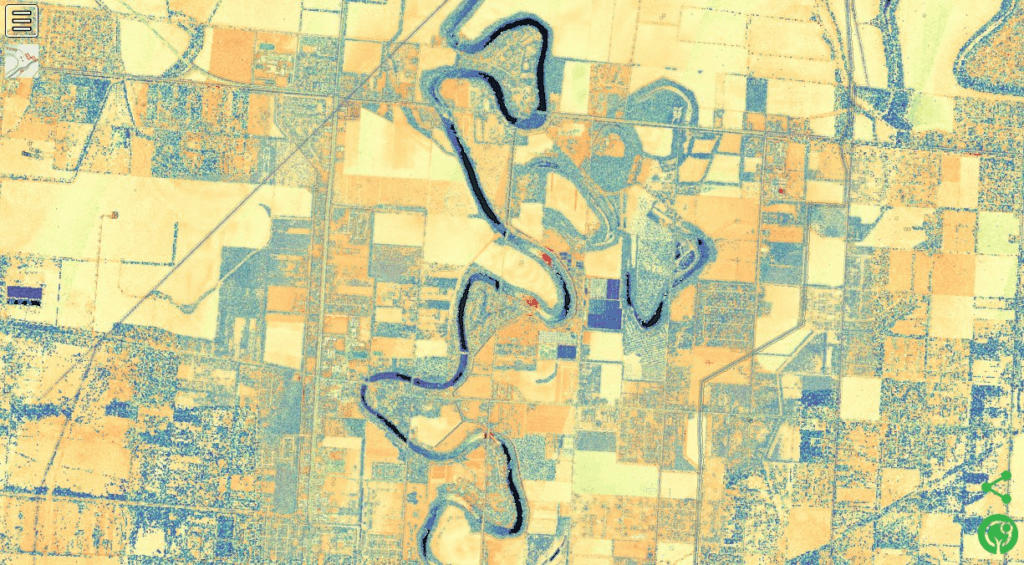
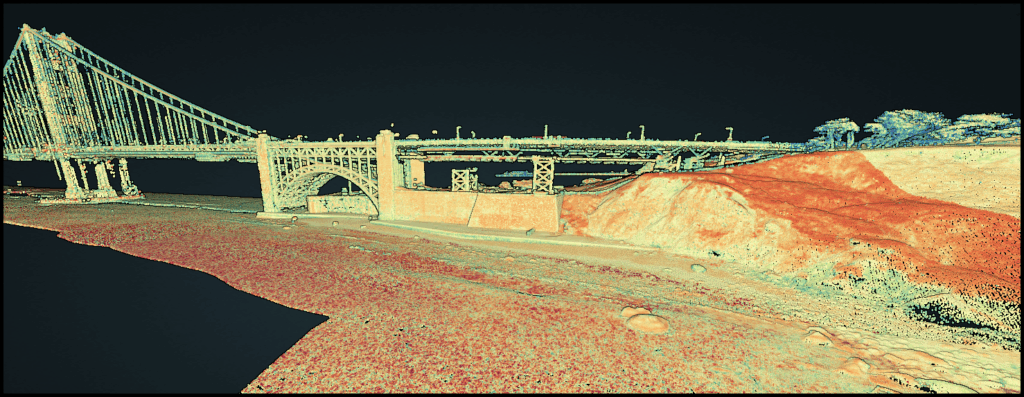
For over five years CSS employee owners have supported NOAA’s Digital Coast data development and management, training development and delivery, and tool development and management through our subcontract with Lynker Technologies supporting NOAA’s Office for Coastal Management. As part of this effort, CSS employee owners process lidar data from many sources to make it available for custom and bulk downloads from the NOAA Data Access Viewer. This involves ensuring data quality and consistency and preparing the data for dissemination. The end goal is to provide elevation data users with the data they need to make the best decisions for coastal mapping and management efforts.
See More CSS Insights

Supporting National Ocean Service Financial Management Centers
CSS employee-owners bring exceptional dedication and expertise to the National Ocean Service (NOS) Agreements, Grants, and Acquisitions Division, supporting several Financial Management Centers (FMCs) through complex, high‑priority initiatives. CSS has played a key role in helping FMCs navigate the U.S. Department of Treasury’s G‑Invoicing system during a period of transition and heavy workload. CSS staff recognized the challenges many teams were facing and broke down the system’s complex requirements…
Developing a Stream Assessment Protocol
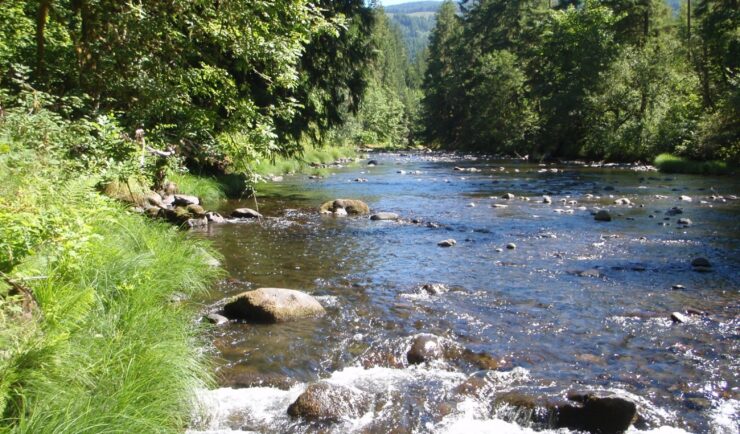
CSS has been a significant contributor to the development and implementation of the Oregon Stream Function Assessment Method (SFAM) for more than 10 years. SFAM is a key component of the Oregon Stream Mitigation Program administered by the Oregon Department of State Lands. The mitigation program is designed to address damage to aquatic resources caused…
Planning, Preparing for, and Participating in a Major Partner Workshop
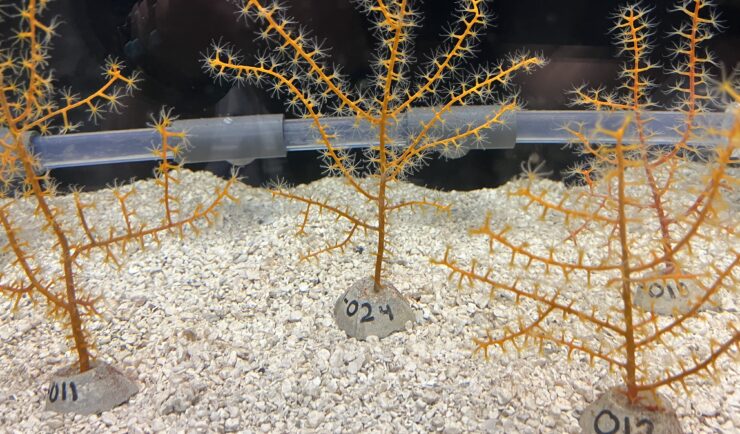
The Mesophotic and Deep Benthic Communities (MDBC) team with NOAA’s National Centers for Coastal Ocean Science attended a team meeting at the Wicker Center in Gulfport, Mississippi. CSS employee owners supporting this team (as part of our joint venture with RPI) participated in the meeting January 26-29. The objective of this workshop was for project managers, advisors, and partners to discuss 2025 accomplishments and plan next steps for 2026 and…