
- Success Stories
- Space Science Application Support & Operations
Ensuring Safety and Support for Sample Testing on the International Space Station
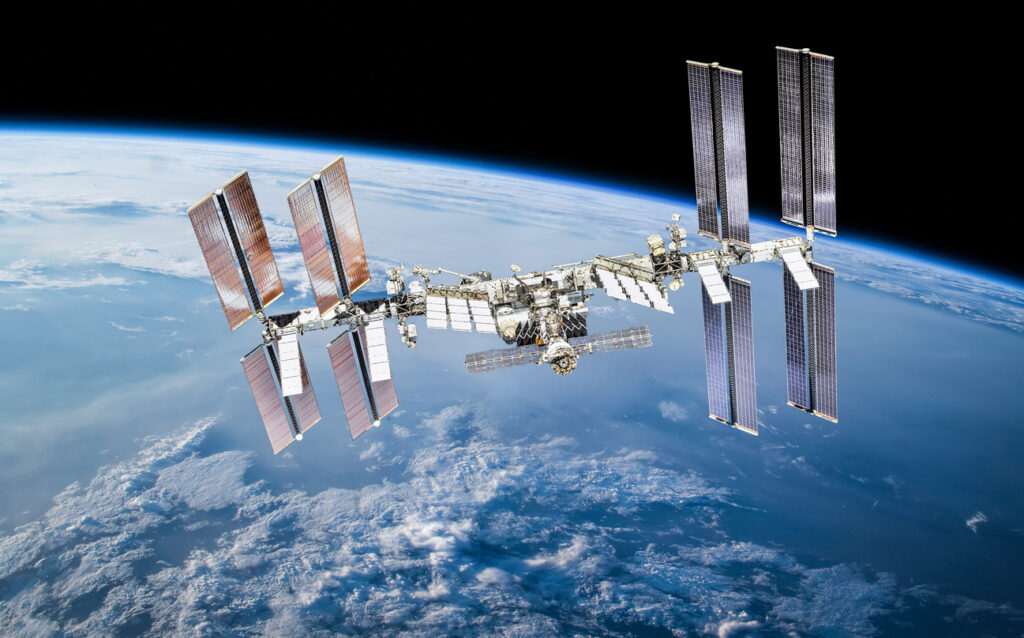
The International Space Station (ISS) gives scientists the opportunity to study the effects of space travel on human and plant tissues as well as understand how physical materials react during formation or exposure to a microgravity environment. CSS provides integrative expertise to NASA to support research and development and technology demonstrations conducted on the ISS, including a recent experiment testing a new technique for growing semimetal conductor composite crystals in microgravity. The intent is to develop these crystals into “wafers” by capitalizing on the unique physical characteristics of microgravity that reduces the potential for inconsistencies and imperfections during the formation process improving their use in electronic devices.
For this effort, CSS employee owners work with all the stake holders (NASA project team, principal investigator (PI) team, operations team and ISS Integration team) to develop a research mission that ensures all science objectives and engineering requirements are met, and the payload is safe for ISS operations. Additionally, CSS staff support ISS crew members during real-time operations to ensure mission success. Finally, after the testing, CSS ensures delivery of the samples/ science back to the PI team for analysis.
The new material recently endured a successful mission on orbit, and the team turned over six new samples for delivery to the International Space Station.
Visit the Space.com photo of the day to learn more about the crystal wafers.
See More CSS Insights
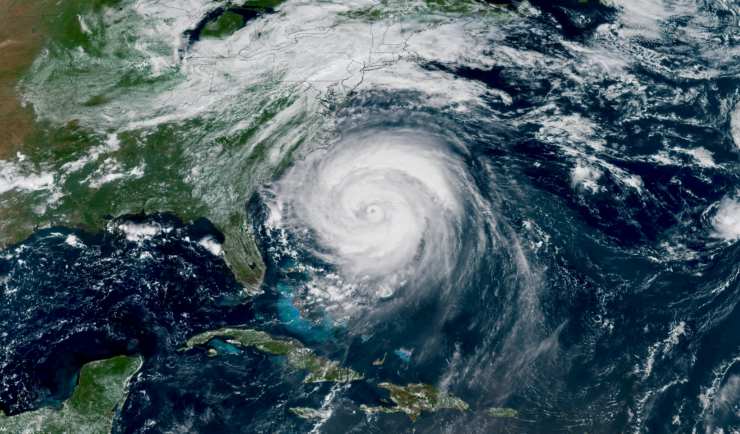
Supporting the Launch of NOAA Data to Inform More Resilient Infrastructure Designs and Structures
Congratulations to NOAA for launching their new Typical Meteorological Year product, developed by the National Centers for Environmental Information (NCEI) as part of the industry initiative. This effort helps make environmental data actionable for architects and engineers designing the next generation of resilient infrastructure. CSS is proud to support this effort and our employee owners who contributed to this product. The Typical Meteorological Year (TMY) product provides location-specific…

New Contract. Same Great Work.
We’re pleased to announce a new small business joint venture with Paul Bechtel & Associates (PB&A), which was awarded a 5-year contract to continue supporting the U.S. Environmental Protection Agency’s (EPA) Office of Pesticide Programs. For 40 years our staff have supported EPA’s Office of Pesticide Programs in the review and evaluation of pesticide data.…
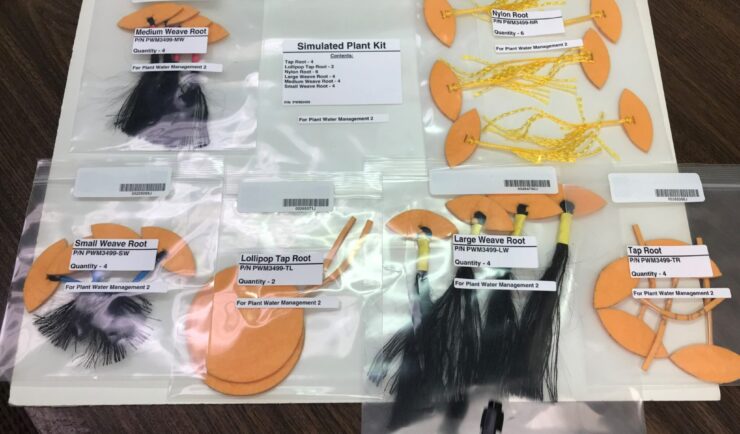
Astronauts Conduct Latest Plant Water Management on the International Space Station
NASA recently performed the sixth iteration of the CSS-supported Plant Water Management experiment on the International Space Station (ISS).