
- Success Stories
- Environmental Resource Assessment & Management
Organizing Teams to Monitor Coastal Contaminants
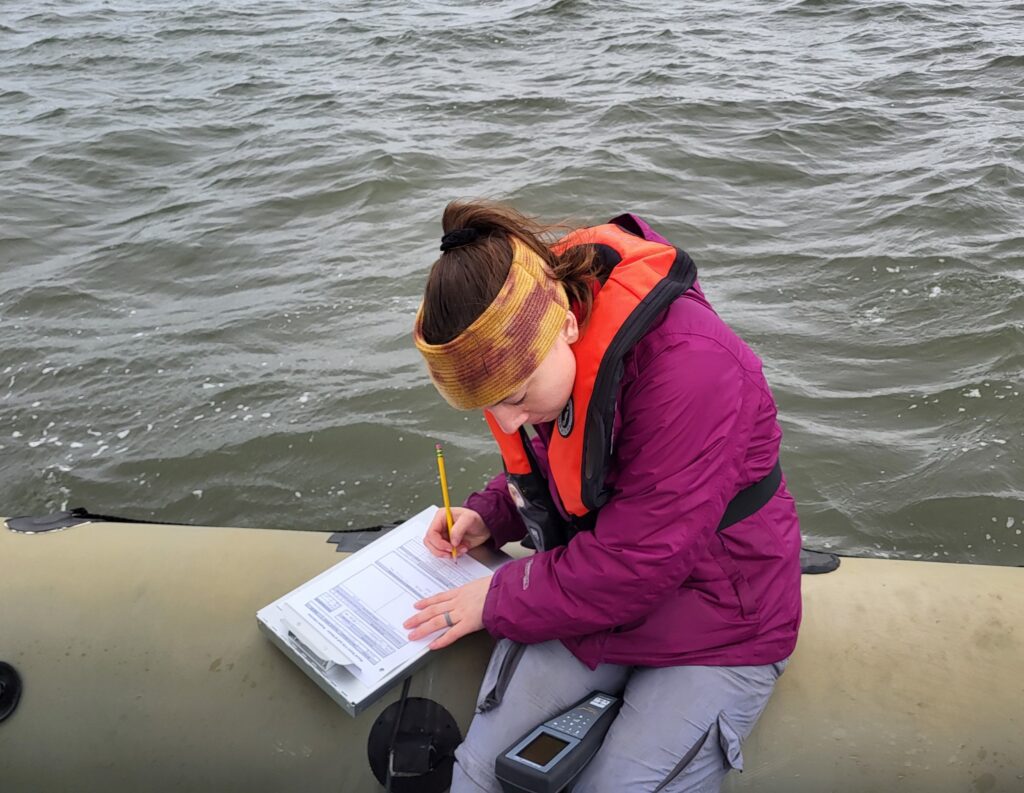
For nearly 40 years NOAA’s National Mussel Watch Program has been monitoring contaminants in coastal waters in over 400 sites around the U.S. by testing sediment and bivalves, such as oysters and mussels. A CSS employee owner organizes and coordinates the regional missions to collect and test samples. This includes developing a schedule and coordinating several teams to collect samples in different subregions for each region as well as shipping equipment and supplies needed for each of the team to carry out their tasks.
CSS employee owners work alongside federal program staff and local partners to collect samples throughout the regions. In fiscal year 2024 CSS staff deployed to the Gulf of Mexico and Pacific Ocean, which includes Alaska, Hawaii, and the West Coast. The team adds data they collect during these missions to the Coastal Pollution Data Explorer, a cloud-based ArcGIS platform that allows users to search by location or type of contaminant, generate a report, and download the data. A CSS employee owner serves as the lead developer for this online platform. Learn more about NOAA’s National Mussel Watch Program.


See More CSS Insights
New Data and Reports on the U.S. Marine Economy
Each year CSS economists on contract with NOAA’s Office for Coastal Management work with other federal agencies to process the most recent economic and labor data, and extract the portions related to marine-dependent sectors.
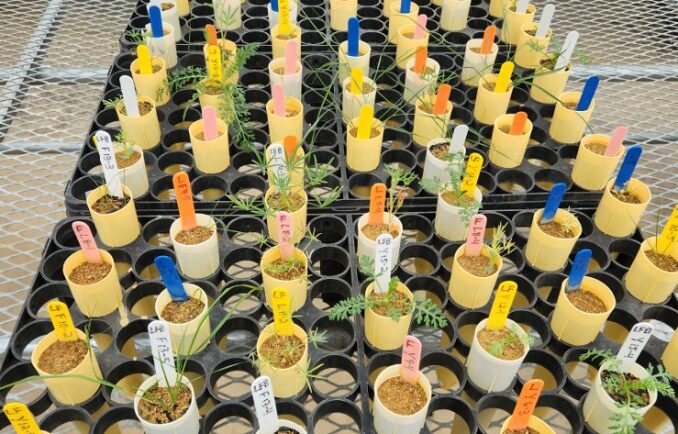
Conducting Greenhouse Soil Tests for Soil Remediation Recommendations
There are thousands of abandoned mines in the Western United States and residual heavy metal concentrations can be high in mine spoils. These spoils can also be quite acidic. Acidic soils with high concentrations of heavy metals can significantly impact the re-establishment and growth of native plant species at these sites. Even after removal of soils with the…
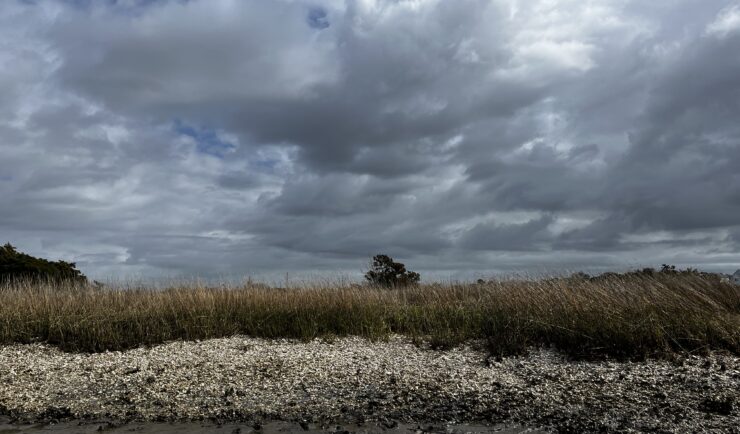
Organizing National Mussel Watch Program Sample Collection Missions
Established in 1986, NOAA’s National Mussel Watch Program has been systematically monitoring nearly 600 chemical contaminants (including legacy organic contaminants, trace metals, and contaminants of emerging concern) and biological indicators for the establishment of baseline contamination levels in coastal waters around the U.S., including the Great Lakes, Puerto Rico, and U.S. Virgin Islands. CSS employee…