
- Success Stories
- Environmental Resource Assessment & Management
More Than 1,600 Great Lakes Water Samples Analyzed
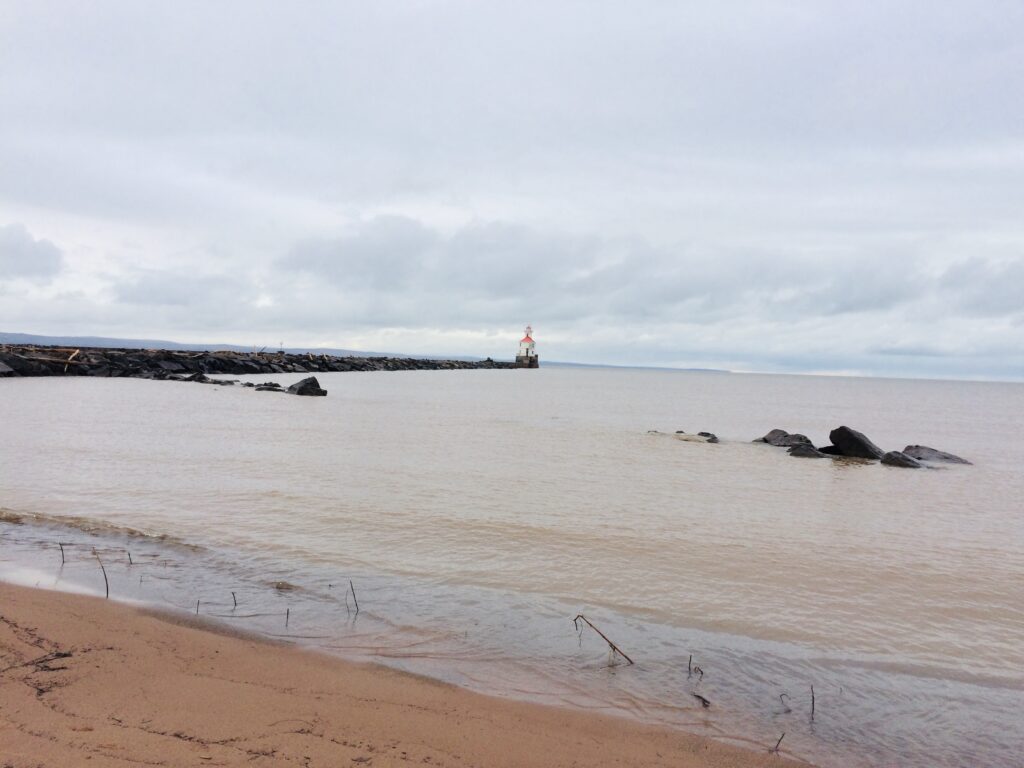
More than 30 million people rely on the Great Lakes for drinking water, and they support a fisheries industry valued at $5.1 billion annually. Monitoring the Lakes’ water chemistry is a vital part of maintaining the quality of this key natural resource.
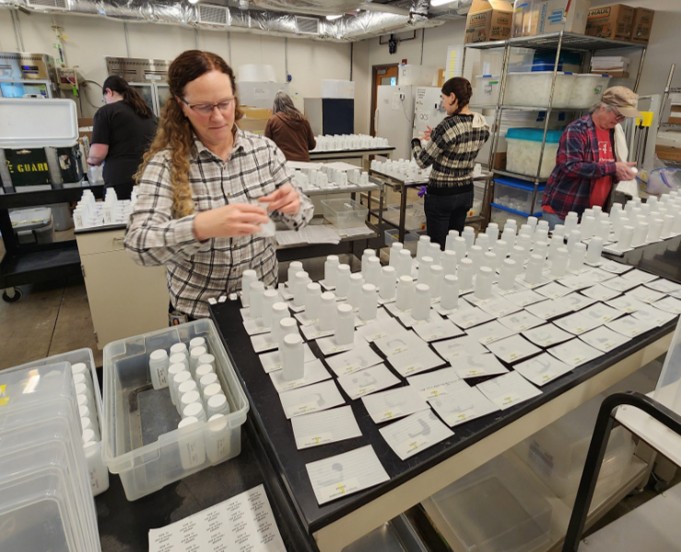
The U.S. Environmental Protection Agency (EPA) is responsible for collecting and testing water samples in each of the five Great Lakes as part of a long-term monitoring project. The agency’s staff collected more than 600 samples in 2024 followed by more than 1,000 in 2025. Through our contract with the U.S. EPA Great Lakes Program Office, CSS employee owners are responsible for analyzing these water samples for nutrients such as nitrogen and phosphorus. In excess, these nutrients degrade water quality and are known to lead to harmful algal blooms in certain areas of the Lakes.
Data from these analyses are used to support evaluations of Great Lakes’ water quality. Learn more about testing water quality in the Great Lakes.
See More CSS Insights

Fueling NOAA’s Scientific Partnerships
Maintaining NOAA’s active global climate tracking requires seamless collaboration with top-tier universities, research labs, and private contractors. In support of NOAA’s National Centers for Environmental Information, CSS program manager for Climate Data Records (CDR) has managed complex budget plans and contract modifications, securing crucial funding for essential climate variables. This effort directly preserved funding for CRDs including the Total Solar Irradiance CDR (which measures the Sun’s energy…
Conducting Greenhouse Soil Tests for Soil Remediation Recommendations
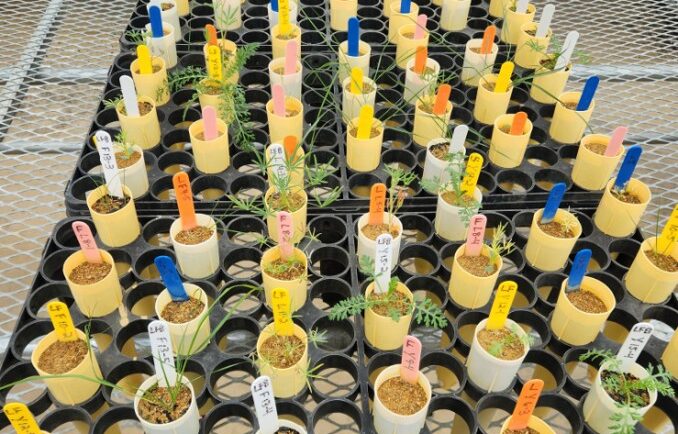
There are thousands of abandoned mines in the Western United States and residual heavy metal concentrations can be high in mine spoils. These spoils can also be quite acidic. Acidic soils with high concentrations of heavy metals can significantly impact the re-establishment and growth of native plant species at these sites. Even after removal of soils with the…

Employee Owners Nominated for NOAA Gold Medal Award
Congratulations to CSS employee owners supporting NOAA’s National Centers for Coastal Ocean Science for their nomination for the NOAA Gold Medal Award! CSS employee owners have been critical members of the team charged with the rapid development of spatial models that aid in offshore wind planning in the Gulf of Mexico. The team has collected…