
- CSS News, Success Stories
- Satellite Science & Environmental Intelligence
Fueling NOAA’s Scientific Partnerships
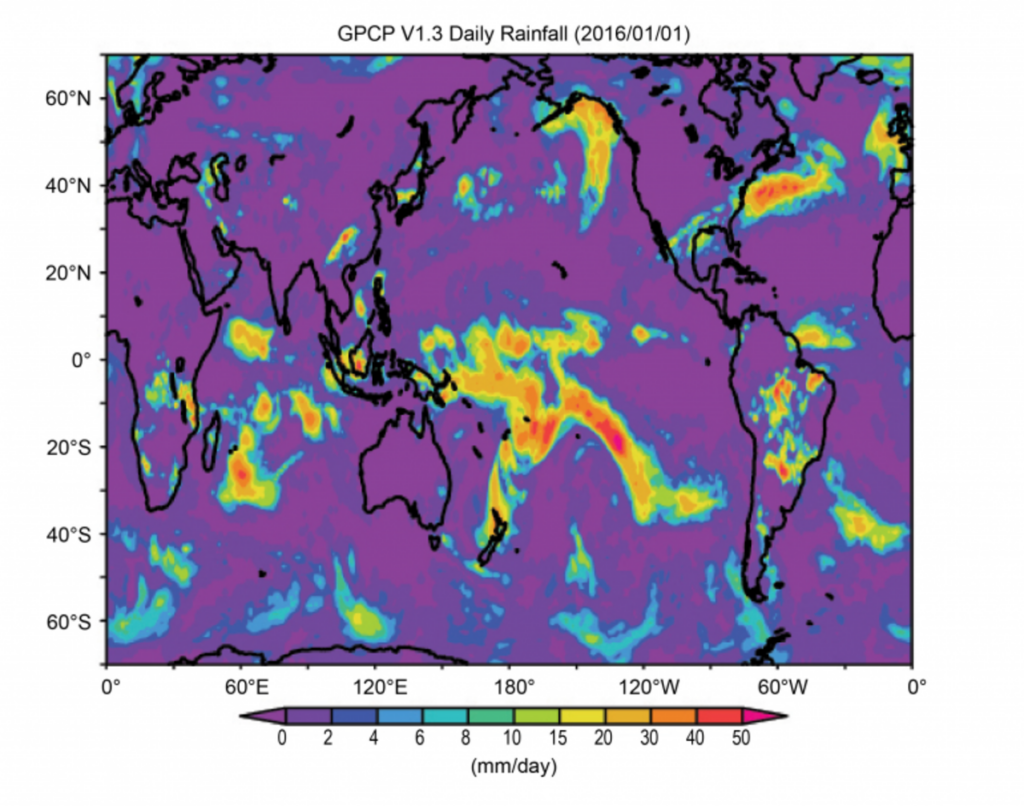
Maintaining NOAA’s active global climate tracking requires seamless collaboration with top-tier universities, research labs, and private contractors. In support of NOAA’s National Centers for Environmental Information, CSS program manager for Climate Data Records (CDR) has managed complex budget plans and contract modifications, securing crucial funding for essential climate variables. This effort directly preserved funding for CRDs including the Total Solar Irradiance CDR (which measures the Sun’s energy output) and the Global Precipitation Climatology Project CDR (which tracks global precipitation), as well as others. By keeping these external partner subcontracts funded and on track, CSS ensured that the global scientific community did not experience gaps in NOAA’s monitoring.
Learn more about NOAA’s Climate Data Records.
See More CSS Insights

55 Years of Earth Day!
Since April 22, 1970 — that’s 55 years! — we’ve celebrated Earth Day to raise environmental awareness and support for environmental protection. At CSS we have a passion for the environment and through various government contracts, we work with our clients to overcome challenges to help protect this rock we call home. Below are a…
Strengthening Risk Communications Training Support to Clients
A CSS employee owner supporting NOAA’s Office for Coastal Management (sub-contracted through Lynker Technologies) has been working closely with colleagues to develop, improve, and deliver trainings related to risk communication. The CSS trainer delivered their first training of Building Risk Communications Skills in Rhode Island to an audience of over 30 coastal managers, planners, practitioners, and a U.S. Representative. The training was well received and will help participants develop new…
New Data and Reports on the U.S. Marine Economy
Each year CSS economists on contract with NOAA’s Office for Coastal Management work with other federal agencies to process the most recent economic and labor data, and extract the portions related to marine-dependent sectors.