
- Success Stories
- Environmental Resource Assessment & Management
Remediating Soil Surrounding Abandoned Mines
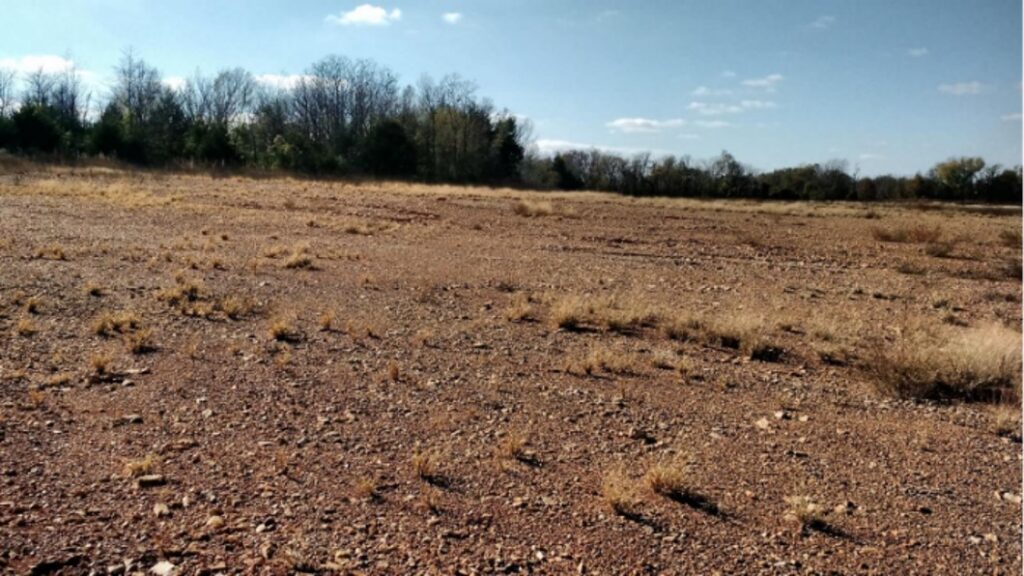
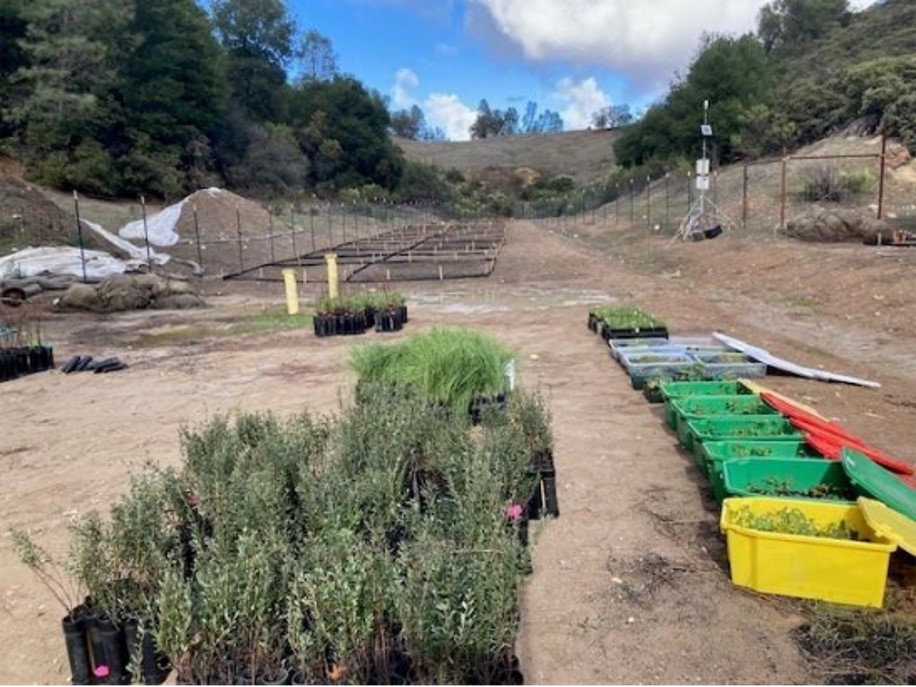
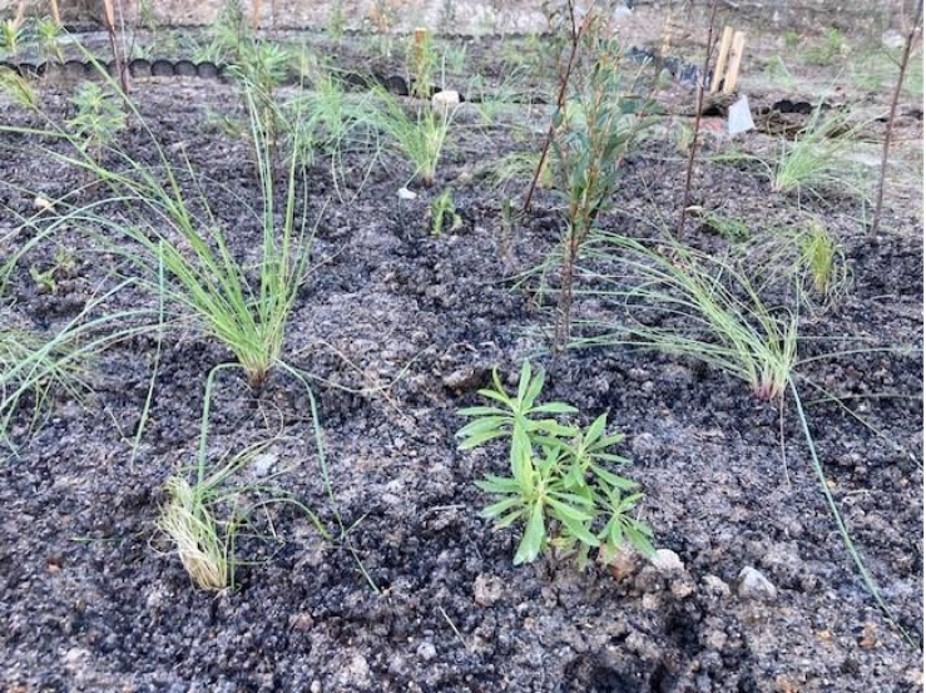
CSS employees have been providing field, lab, and horticultural support for the Environmental Protection Agency’s efforts to develop and test methods for the remediation and revegetation of contaminated soils around selected abandoned mines in the western United States. One of the promising approaches is to incorporate biochar into the soil. Using biochar helps effectively adsorb trace metals and reduce their toxic impacts to plants. CSS field staff recently helped set up 60 large plots at an abandoned mine site in California to test the feasibility and effectiveness of biochar additions for facilitating plant establishment. They tilled in biochar and fertilizer into the designated plots. As part of this project, CSS employees tested horticultural methods for propagating and growing native plant species for transplanting into the field plots. CSS plant specialist raised populations of eight California native plant species totaling over 4,000 individual plants available for the field study. Recently the team transported about 2,500 of the plants to the field site and planted them.
Upon first assessment in December 2025, CSS field staff report that the transplants are healthy. The team will continue to monitor the status of the plants over the next several months and collect data to ascertain which field plot amendments were most effective in supporting the establishment of the native species.
See More CSS Insights
Extensive Support in Hazard Waste Management
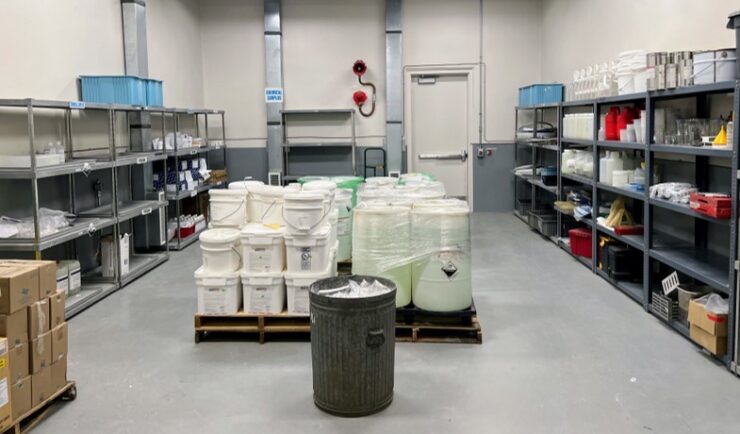
For 22 years, CSS has provided support to the Centers for Disease Control and Prevention (CDC) Hazardous Waste Program ensuring safe handling, storage, packing, and shipping of hazardous waste materials within facilities and laboratories. Experienced CSS employees are located on site at CDC campuses in Atlanta, Georgia, San Juan, Puerto Rico, and Fort Collins, Colorado and are responsible for collecting waste on a weekly schedule and disposing of waste at various campuses on an annual…
Planning, Preparing for, and Participating in a Major Partner Workshop
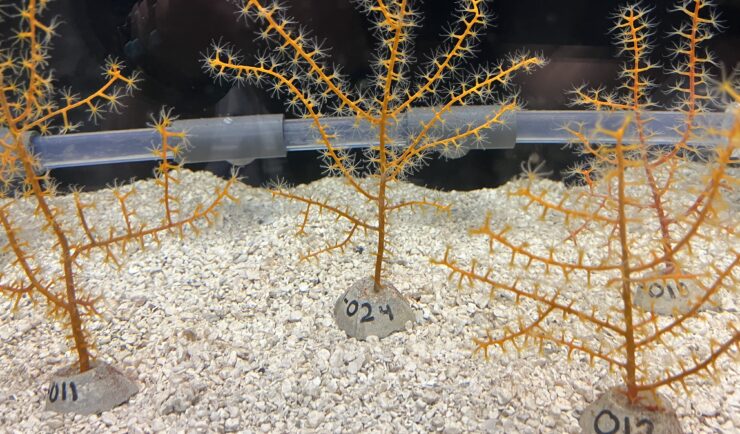
The Mesophotic and Deep Benthic Communities (MDBC) team with NOAA’s National Centers for Coastal Ocean Science attended a team meeting at the Wicker Center in Gulfport, Mississippi. CSS employee owners supporting this team (as part of our joint venture with RPI) participated in the meeting January 26-29. The objective of this workshop was for project managers, advisors, and partners to discuss 2025 accomplishments and plan next steps for 2026 and…
Developing a Database for Ecosystem Service Models
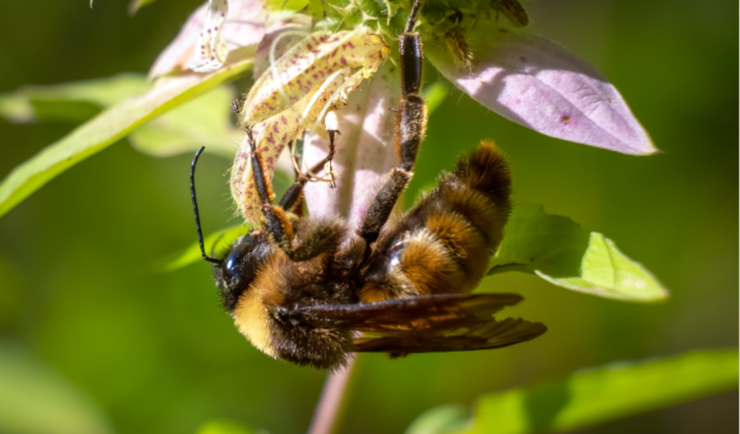
CSS scientists have been major developers and contributors to the online U.S. Environmental Protection Agency’s EcoService Models Library (ESML) database since its inception in 2012. The ESML database contains detailed but concise descriptions of ecosystem service models to facilitate the selection of models by ecosystem scientists for a variety of management and research applications. The…