
- Success Stories
- Emergency Preparedness & Response
Training Staff for Handling Hazardous Waste and Responding to Chemical Spills
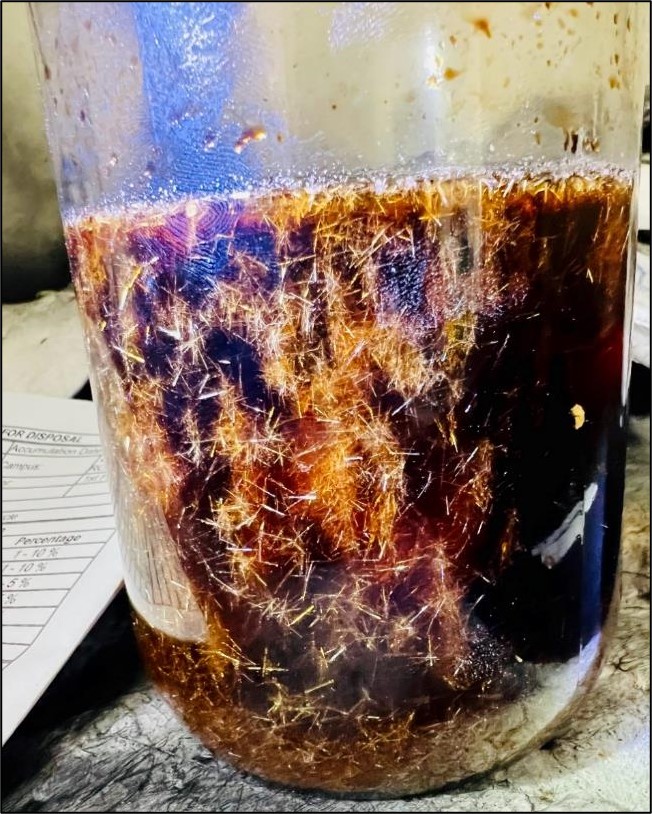
CSS employee owners provide on-site support to the Centers for Disease Control and Prevention (CDC) Hazardous Waste Program at several campuses around the country: Atlanta, Georgia, San Juan, Puerto Rico, and Fort Collins, Colorado. With 22 years of experience, CSS staff are responsible for providing training to laboratory and facilities staff to ensure safe handling of hazardous waste to avoid harmful incidents.
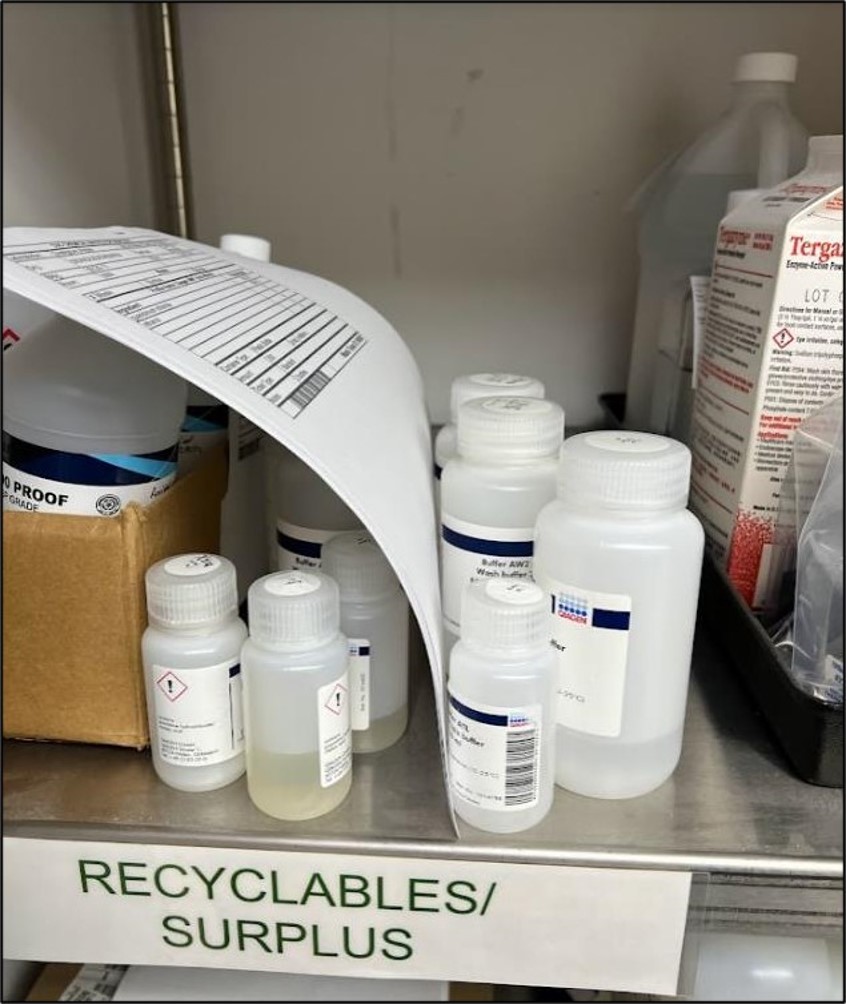
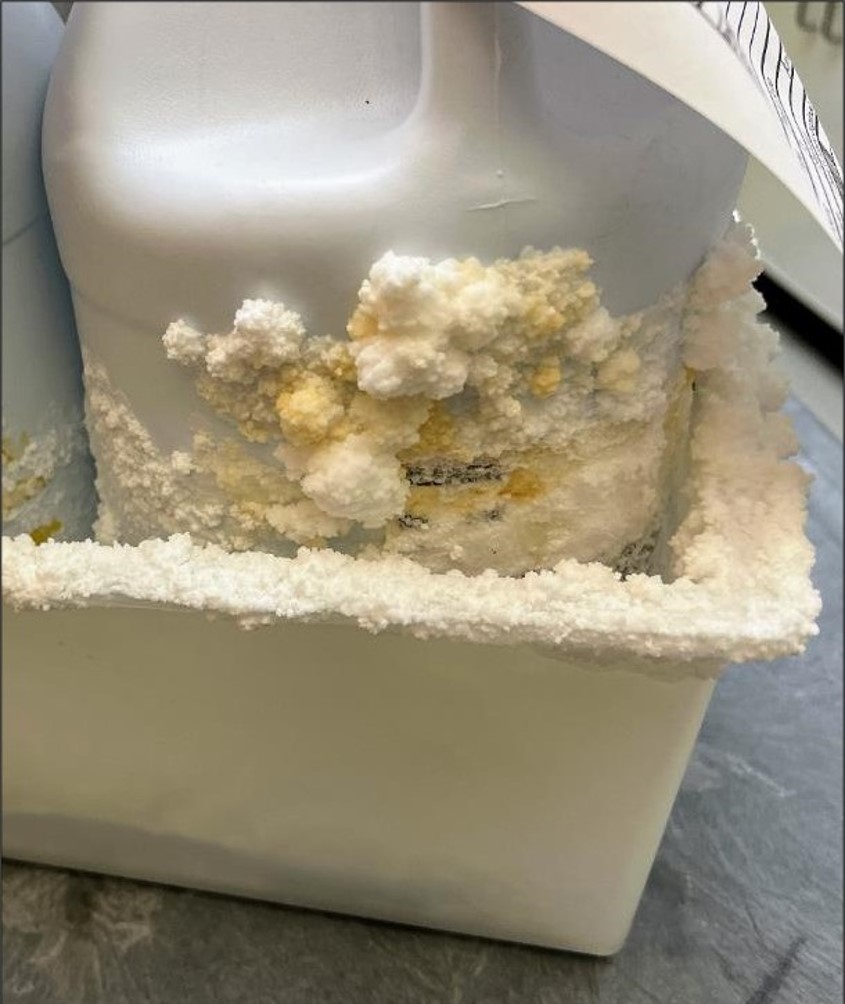
CSS staff provide regular training to CDC staff on topics, including hazardous waste management, using the online waste ticketing system, and spill training. This training covers common mistakes (e.g. improper placement of labels), safety issues (e.g. not including biological materials, improper storage and containment, leaks, and classification), and handling special waste, such as crystalized waste (which can be unstable and possibly explosive).
Additionally, CSS staff provide universal waste training to CDC staff on an as-needed basis.
See More CSS Insights

Supporting the Launch of NOAA Data to Inform More Resilient Infrastructure Designs and Structures
Congratulations to NOAA for launching their new Typical Meteorological Year product, developed by the National Centers for Environmental Information (NCEI) as part of the industry initiative. This effort helps make environmental data actionable for architects and engineers designing the next generation of resilient infrastructure. CSS is proud to support this effort and our employee owners who contributed to this product. The Typical Meteorological Year (TMY) product provides location-specific…

New Contract. Same Great Work.
We’re pleased to announce a new small business joint venture with Paul Bechtel & Associates (PB&A), which was awarded a 5-year contract to continue supporting the U.S. Environmental Protection Agency’s (EPA) Office of Pesticide Programs. For 40 years our staff have supported EPA’s Office of Pesticide Programs in the review and evaluation of pesticide data.…

55 Years of Earth Day!
Since April 22, 1970 — that’s 55 years! — we’ve celebrated Earth Day to raise environmental awareness and support for environmental protection. At CSS we have a passion for the environment and through various government contracts, we work with our clients to overcome challenges to help protect this rock we call home. Below are a…