
- Success Stories
- Safety, Health, & Environmental Compliance
Training the Next Generation of Researchers
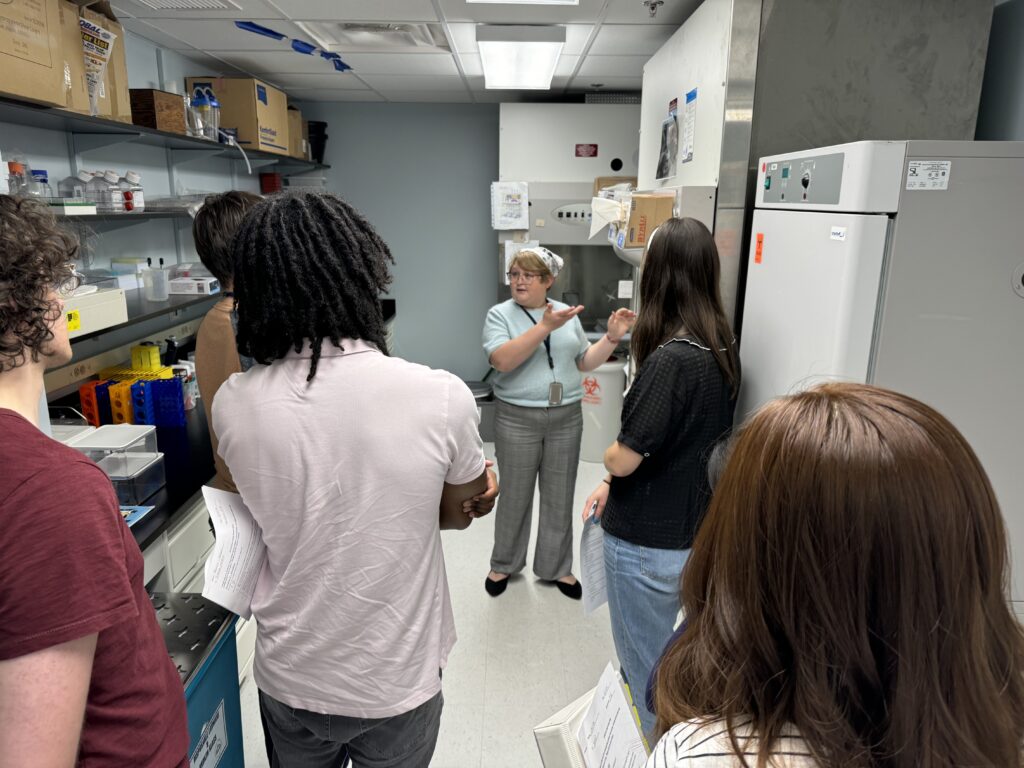
CSS staff support the National Institutes of Health (NIH) Division of Occupational Safety and Health by providing Safe Techniques Advance Research Science (STARS) training to summer interns. Following a pause during the pandemic, staff resumed training May 15, 2024. During the in-person STARS training, CSS staff cover key concepts from the pre-requisite NIH Lab Safety online training by working through two case studies: one biological hazard (salmonella typhi handling procedures), and one chemical hazard (acrylamide for gels). CSS trainers provide a show and tell while demonstrating the safety equipment in the mock lab.
We anticipate training hundreds of interns this summer.
We are proud to be training the next generation of researchers!


See More CSS Insights
Employees Receive Green Sustainability Award of Excellence
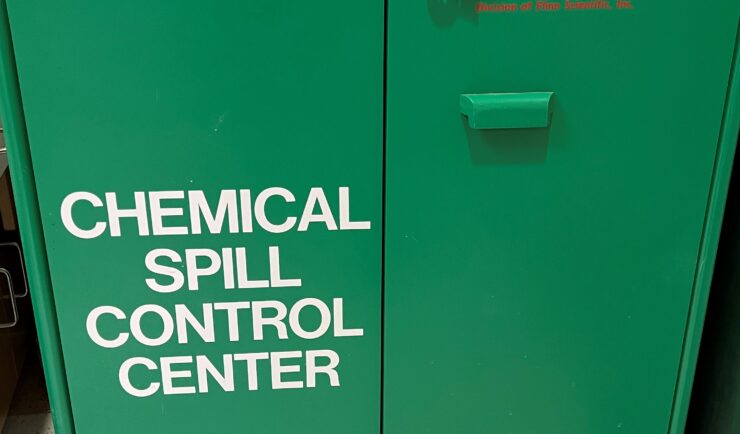
Congratulations to our team supporting the Center for Disease Control (CDC) for receiving the Green Sustainability Award of Excellence. Our team led the charge helping CDC to upgrade their spill cabinets across all campuses (Atlanta, GA; Fort Collins, CO; San Juan, PR), which now include a more sustainable material called Trivorex ®. This highly absorbent…
Quality Assurance Audit Reports
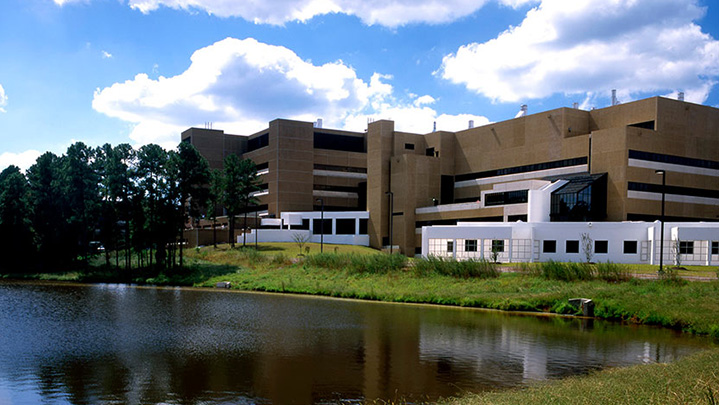
Since 1985 we’ve supported the National Institute of Environmental Health Sciences and have provided more than 1,600 quality assurance audit reports that the client has used to assess the quality of toxicology studies they sponsor. Over the last year our employee owners reviewed several studies involving per- and polyfluorinated substances (PFAS) compounds, or “forever chemicals”,…
Developing a Database for Ecosystem Service Models
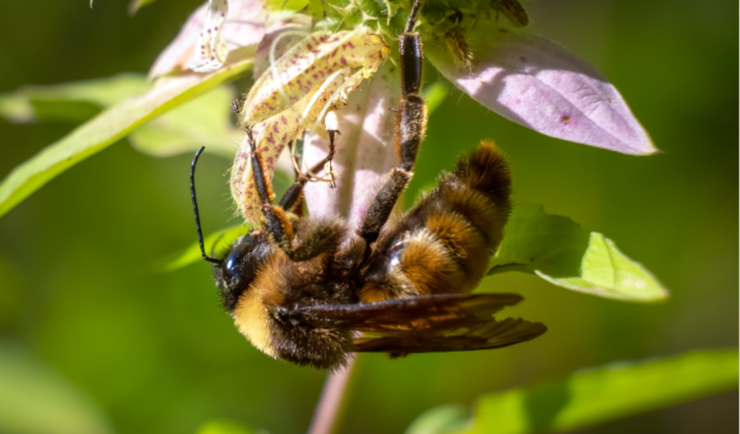
CSS scientists have been major developers and contributors to the online U.S. Environmental Protection Agency’s EcoService Models Library (ESML) database since its inception in 2012. The ESML database contains detailed but concise descriptions of ecosystem service models to facilitate the selection of models by ecosystem scientists for a variety of management and research applications. The…