
- CSS News, Success Stories
- Satellite Science & Environmental Intelligence
Securing and Modernizing NOAA’s Climate Data Records
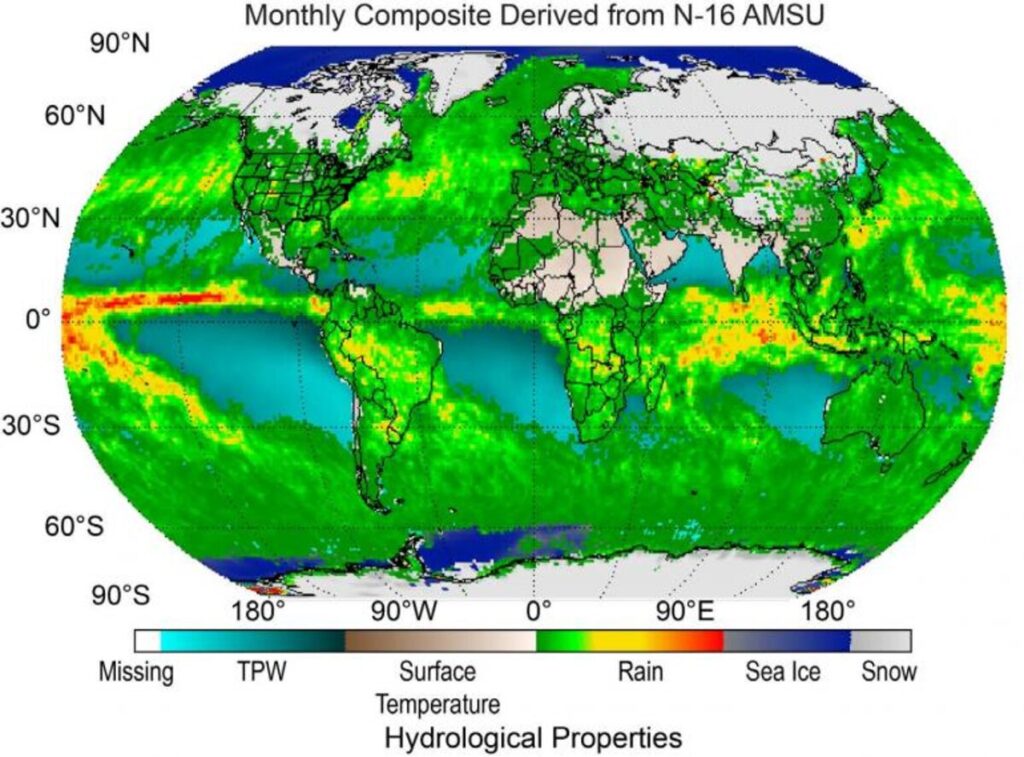
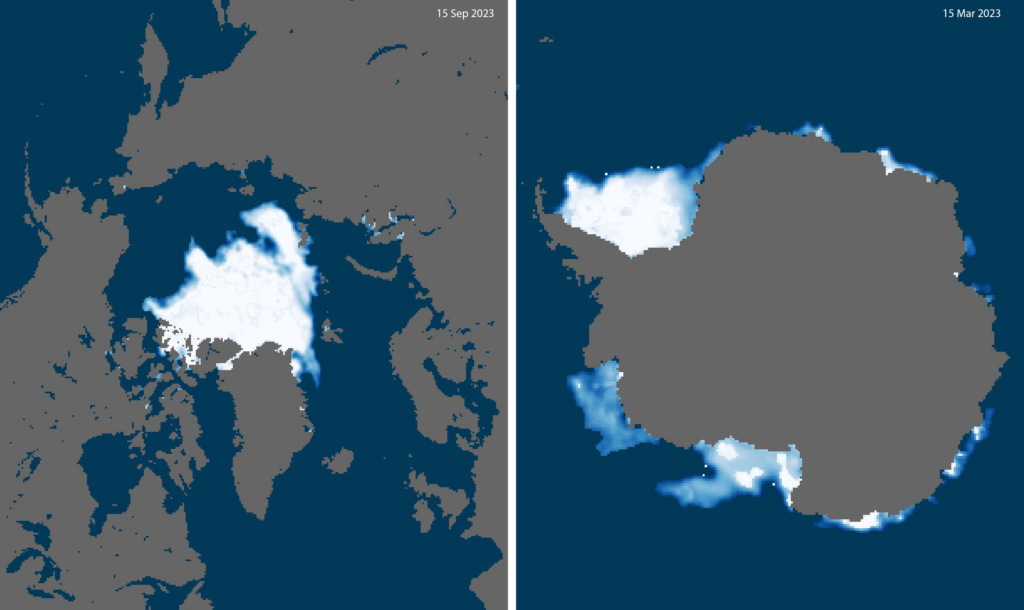
NOAA’s National Centers for Environmental Information is currently migrating their monumental archives from physical data centers onto the secure Amazon Web Services (AWS) cloud, a massive undertaking to ensure these critical records remain secure. NOAA selected a CSS employee owner and program manager for Climate Data Records as a division representative for the high-stakes Data Ingest and Migration team to coordinate directly with technical experts. As part of this role, the CSS representative is also serving to define end-to-end processes for the migration and beyond to safeguard the health of the climate data records and all of NCEI’s products ensuring these records are properly maintained and secured.
NOAA’s Climate Data Records are robust, sustainable, and scientifically sound climate records that communities, industry, and scientists trust to provide vital information on the Earth’s changing climate. Partners and industry professionals use this information to study climate variability, national defense, effects on natural resources, inform the media and public. By modernizing these extensive data in a secure cloud environment, CSS is ensuring NOAA can continue to maintain these critical data that contribute to understanding Earth’s systems for future communities and industry access.
Learn more about NOAA’s Climate Data Records.
See More CSS Insights

Over 40 Years of Support
Since 1982, members of our staff have supported EPA’s Office of Pesticide Programs. As part of this contract, our staff assess environmental and human health impacts on anthropogenic chemicals. The agricultural industry is critical to food and textile production, it is a large contributor to the U.S. economy. Not only does the industry provide food…

Ensuring Safety and Support for Sample Testing on the International Space Station
The International Space Station (ISS) gives scientists the opportunity to study the effects of space travel on human and plant tissues as well as understand how physical materials react during formation or exposure to a microgravity environment. CSS provides integrative expertise to NASA to support research and development and technology demonstrations conducted on the ISS,…
Assessing Contamination in Abandoned Mines
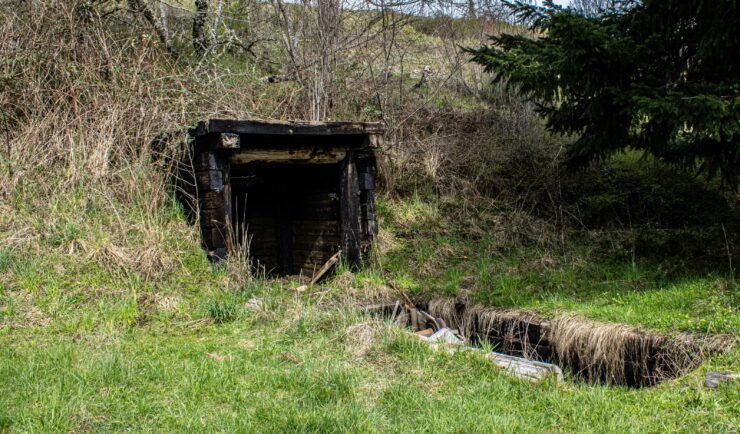
CSS supports the Environmental Protection Agency with assessing contamination within abandoned mines. There are thousands of abandoned mines throughout the western United States. Many of these mines are leaching heavy metals into nearby streams or have contaminated soils causing vegetation die off. CSS employee owners conduct field work to assess the extent of this contamination.…