
- Employee Spotlight, Success Stories
- Emergency Preparedness & Response
Supervisory Support for 2025 Southern California Wildfires Response Efforts
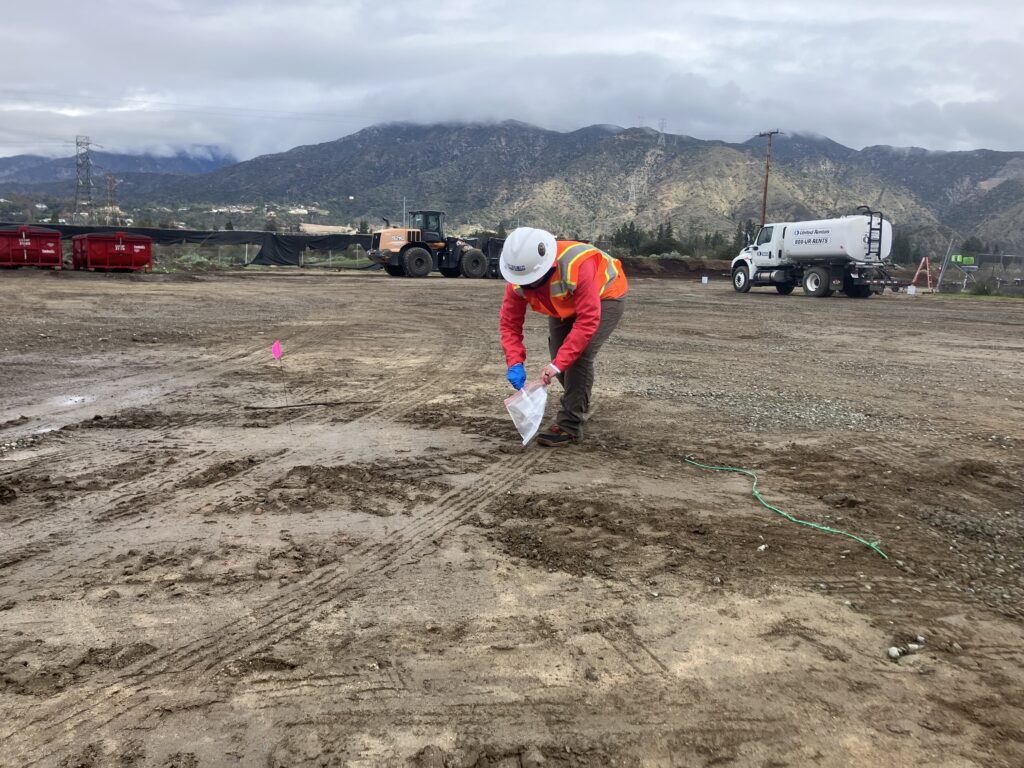
Long after wildfires are extinguished, ongoing efforts continue to assess long-term damage and contamination. CSS employee owners are often heavily involved in these efforts and follow up to ensure response operations do not impact the environment.
Response efforts in South California continued throughout the year following the 2025 wildfires that devastated the Los Angeles area. CSS continued to support the damage assessment through a U.S. Environmental Protection Agency (EPA) Region 9 Superfund Technical Assessment & Response Team (START) subcontract with Weston Solutions, Inc.
CSS START Senior Chemist supported Phase 1 (removing hazardous material) of the 2025 Southern California wildfires response in the field as a group supervisor, overseeing six START field team leaders and collaborating with the EPA group supervisor to effectively and efficiently conduct removal of household hazardous materials (such as batteries, chemicals, paint, cleaners, and more) from residential properties affected by the wildfires. This prepares the area for Phase 2 (debris removal) and reduces risk of additional contamination and exposure to residents, and keeps those items out of local landfills.
As part of Phase 1 wildfire responses, staff on site conduct soil sampling and testing before and after staging of collected hazardous materials for disposal, to confirm that operations did not impact the soil at that site. CSS observed this process for reporting purposes and acted as a third-party validator for collected samples.
Throughout the ongoing Phase 1 effort, CSS START staff supported the EPA Environmental Unit with the response by observing the sampling, validating the analytical data from the laboratory, and summarizing the process and results in reports that provide official documentation for public record.
Learn more about additional support CSS provided during this response effort.
See More CSS Insights
Developing a Stream Assessment Protocol
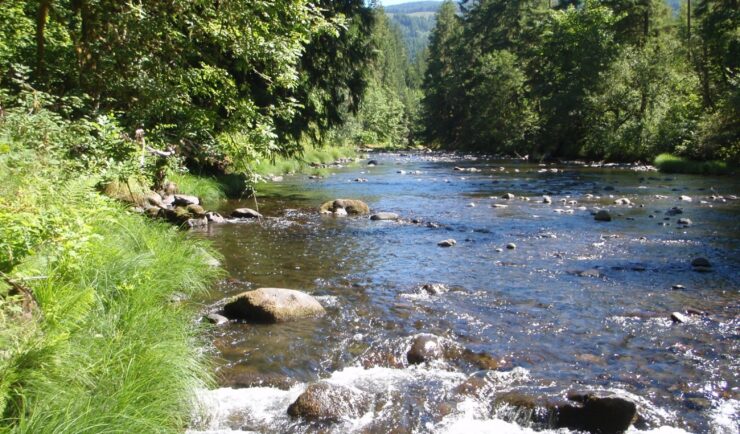
CSS has been a significant contributor to the development and implementation of the Oregon Stream Function Assessment Method (SFAM) for more than 10 years. SFAM is a key component of the Oregon Stream Mitigation Program administered by the Oregon Department of State Lands. The mitigation program is designed to address damage to aquatic resources caused…
Over 2000 River and Stream Samples Analyzed
Every five years teams supporting U.S. Environmental Protection Agency’s National Aquatic Resource Survey—consisting of tribal, state, and federal partners—collect samples from over 2000 river and stream reaches throughout the United States. CSS analytical chemists support this effort by processing the samples and then analyzing them for various chemicals to help characterize their water quality. The…
Employees Receive Green Sustainability Award of Excellence
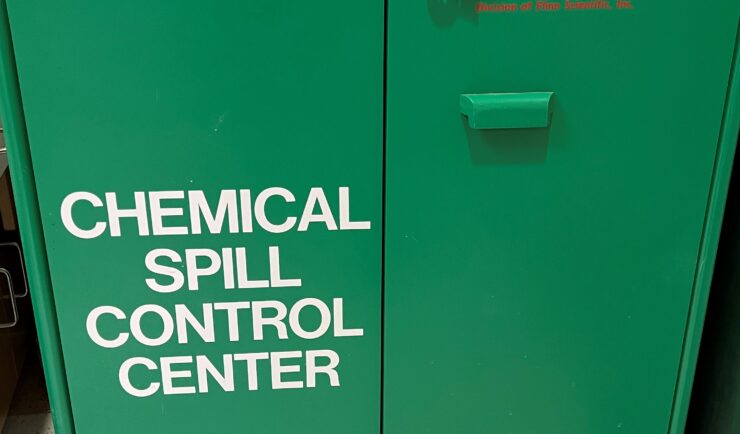
Congratulations to our team supporting the Center for Disease Control (CDC) for receiving the Green Sustainability Award of Excellence. Our team led the charge helping CDC to upgrade their spill cabinets across all campuses (Atlanta, GA; Fort Collins, CO; San Juan, PR), which now include a more sustainable material called Trivorex ®. This highly absorbent…