
- Success Stories, Uncategorized
- Environmental Resource Assessment & Management
Organizing National Mussel Watch Program Sample Collection Missions
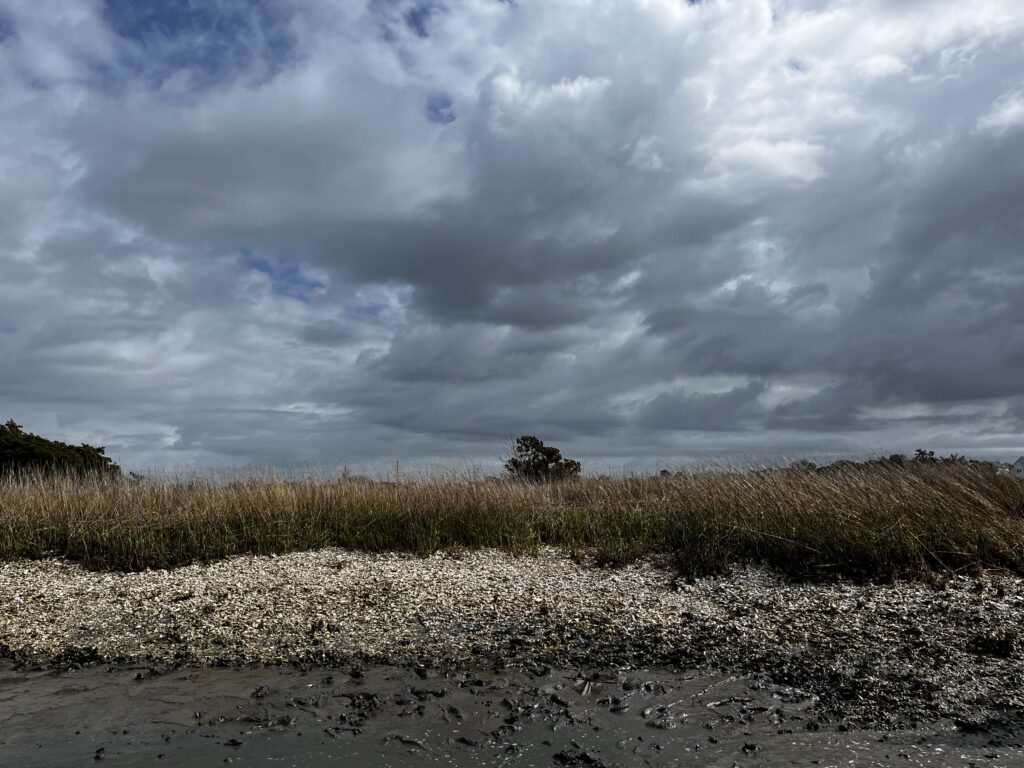
Established in 1986, NOAA’s National Mussel Watch Program has been systematically monitoring nearly 600 chemical contaminants (including legacy organic contaminants, trace metals, and contaminants of emerging concern) and biological indicators for the establishment of baseline contamination levels in coastal waters around the U.S., including the Great Lakes, Puerto Rico, and U.S. Virgin Islands. CSS employee owners have played an integral role in supporting this effort.
Each year the Mussel Watch Program Coordinator — a role filled by a CSS employee owner — devises a schedule, organizes missions, establishes local partnerships, and ships materials to collection sites. Additionally, the program coordinator meets with the partners and collection teams prior to collection missions to provide specific guidance on collecting and preparing samples, packing sample bags, filling in data sheets, taking photos, packing the coolers with ice, and shipping samples to the laboratory. This coordination is critical to ensuring collection missions are successful.
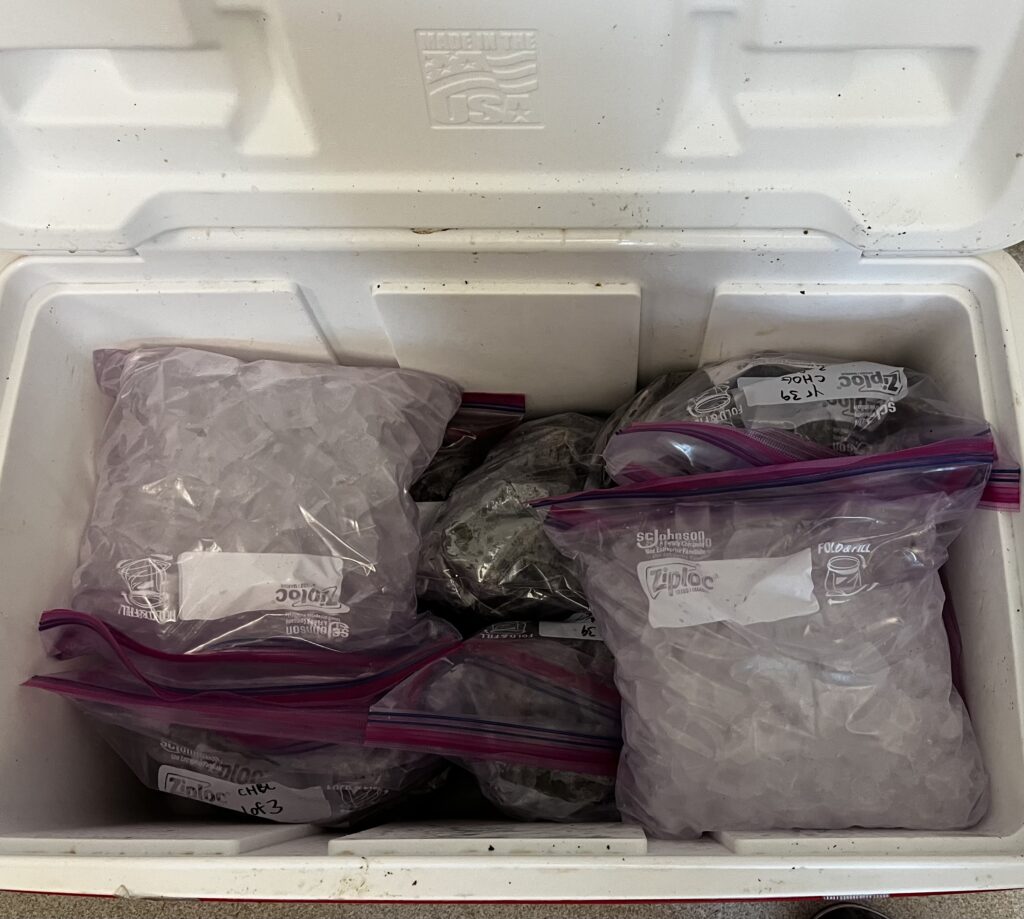
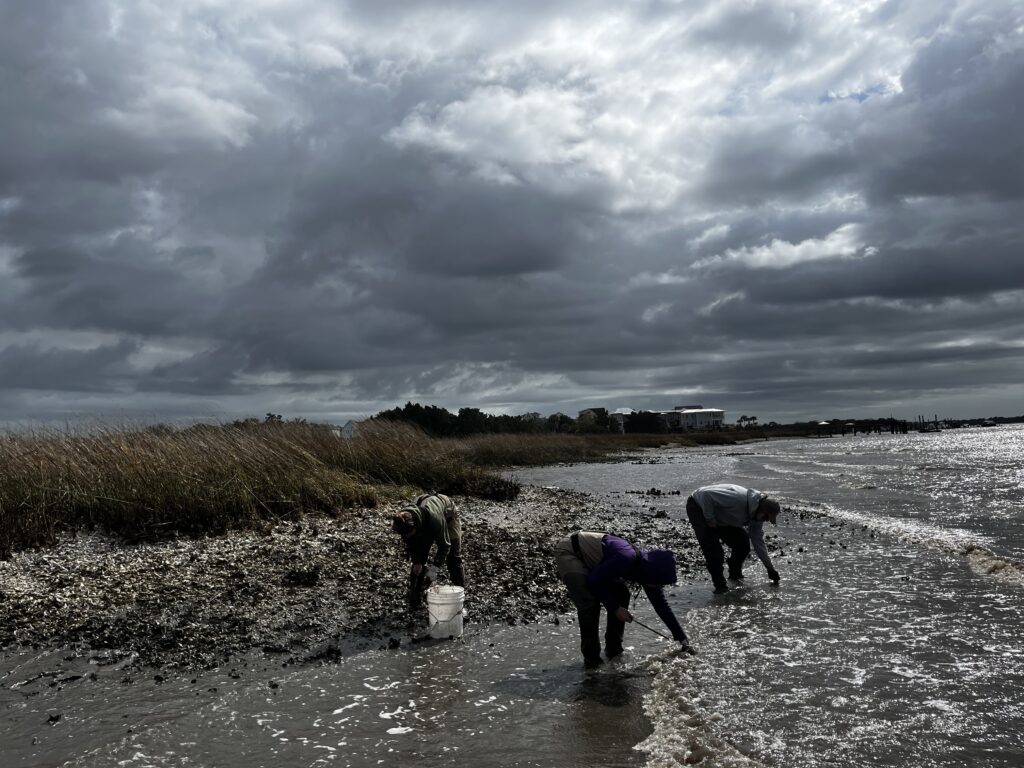
A substantial collaboration in the 2026 South Atlantic Coast collection survey was with the South Carolina Department of Natural Resources (SCDNR). CSS employee owners joined SCDNR for sample collection along the South Carolina coast, leveraging their boats, equipment, and resources. Two teams volunteered to collect samples at 16 sites, coinciding with adjacent SCDNR collection sites needed for their own projects and research. For each site, the team collected three resealable bags of oyster samples, and recorded water quality data at each location. The team double bagged the samples, packed them on ice in coolers with specific labeling, and shipped them to the laboratory where they will be analyzed.
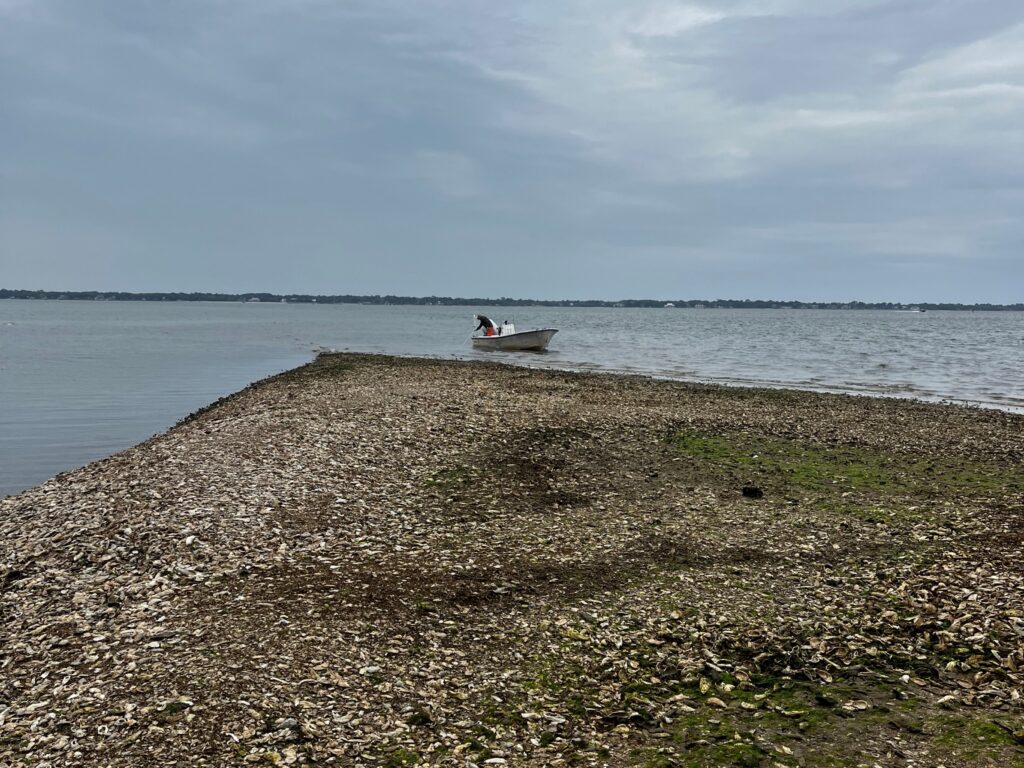
CSS employee owners will work with the Mussel Watch Program federal lead to summarize the laboratory results and publish a series of technical memoranda. This data and information can help regional managers and stakeholders understand historic and current trends as they develop strategies to monitor and assess contaminants in the region.
Visit the website to learn more about the Mussel Watch Program.
This effort supports the RPI-CSS joint venture contract with NOAA’s National Centers for Coastal Ocean Science.
See More CSS Insights
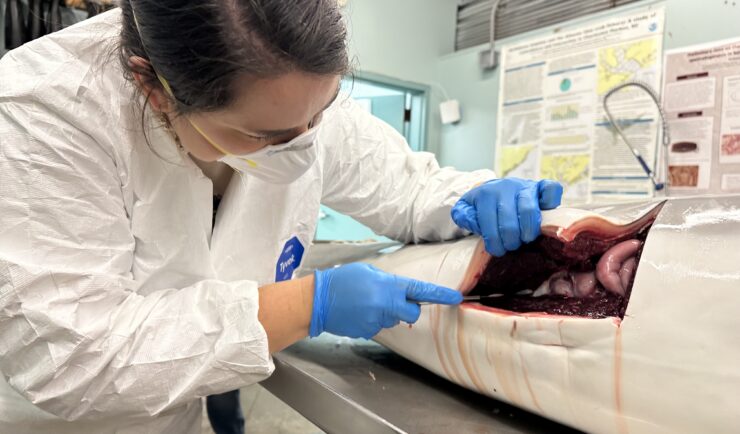
Assisting South Carolina Marine Mammal Stranding Network
CSS employee owner and Marine Mammal Microplastic Specialist supporting NOAA’s National Centers for Coastal Ocean Science assists the South Carolina Marine Mammal Stranding Network in responding to dead marine mammals when they strand on beaches or estuaries throughout South Carolina. This is work is critical for human and environmental health because it provides invaluable samples…
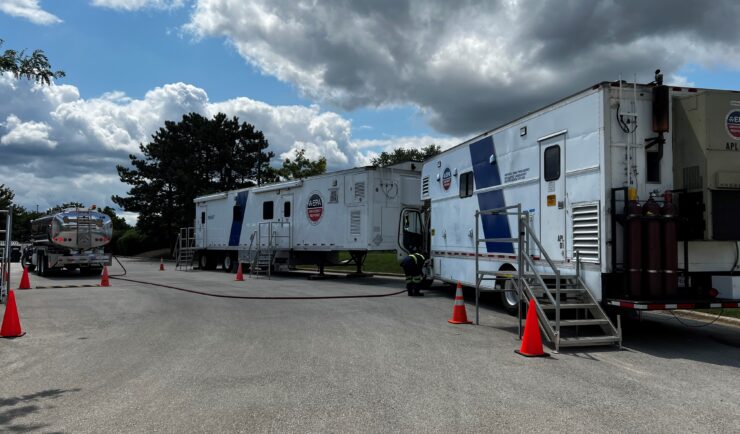
Emergency Response Support for the Republican National Convention
CSS employee owners on contract with the U.S. Environmental Protection Agency’s Portable High-throughput Integrated Laboratory Identification System — a mobile analytical unit known as PHILIS — provided emergency response support for the 2024 Republican National Convention. PHILIS mobile laboratory units are designed to provide onsite analysis of environmental conditions, including air and soil samples, contaminated…
New Data and Reports on the U.S. Marine Economy
Each year CSS economists on contract with NOAA’s Office for Coastal Management work with other federal agencies to process the most recent economic and labor data, and extract the portions related to marine-dependent sectors.