
- Success Stories
- Emergency Preparedness & Response
Large-Scale Decontamination Proves Successful
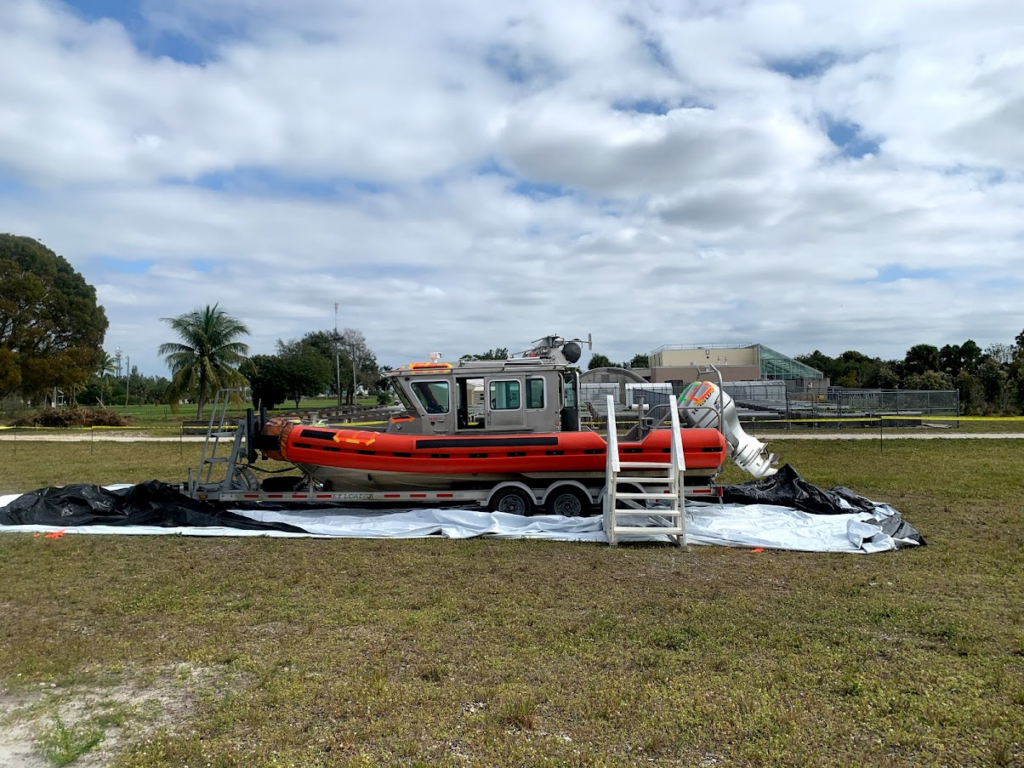
In the spring of 2022, we worked with the U.S. Environmental Protection Agency and the U.S. Coast Guard on a project called Analysis for Coastal Operational Resiliency-Wide Area Demonstration (WAD) which tests large scale decontamination following the release of surrogate bioagents. The team conducted a WAD at a military base in Virginia to test decontamination using various technologies on numerous surfaces. Our involvement included securing service contracts, equipment, and supplies; assisting with test bed set up and field work; managing and shipping collected samples; and providing assistance in demonstration execution.
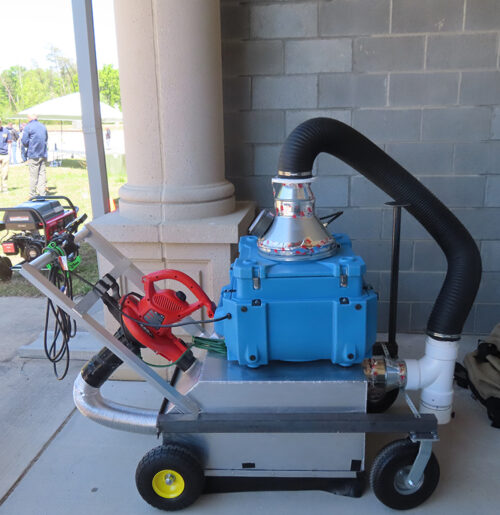
In addition, our EPA Research Laboratory Support contract team assembled a novel prototype machine, which quickly collects samples of resuspended air particles from over hundreds of square feet. It is intended to be used to confirm decontamination of biological agent contamination (pictured below).
Prior to this exercise, our team led a smaller-scale exercise in January 2020 to decontaminate a U.S. Coast Guard response boat. We tested and successfully used three different technologies during this process.
Both of these field exercises enabled us to understand the data collected in a controlled, laboratory environment in a different way. We conducted the exercise in an outdoor environment, on a larger scale, and with front line responders to ensure that the procedures, decon chemicals and technologies evaluated in the lab can be ready to be stood up in real events. This is an extraordinary accomplishment as multiple agencies work together to sample and decontaminate with the goal to successfully clean up and restore important assets following a biological agent contamination event.
Learn more about this full operation: https://www.dhs.gov/science-and-technology/news/2022/07/26/feature-article-field-tests-culminate-4-years-bioagent-studies
See More Success CSS Stories
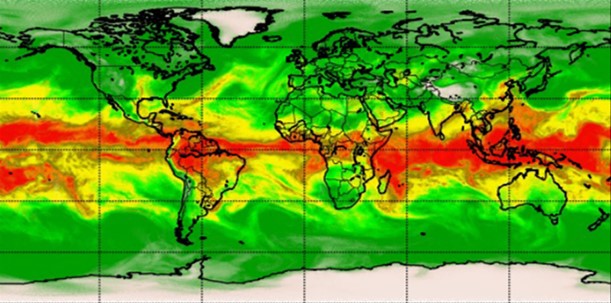
Advancing Severe Weather Predictions with Artificial Intelligence
As artificial intelligence (AI) and machine learning (ML) technologies evolve in Earth sciences, CSS employee owners (formerly Riverside staff) are growing our expertise in this field. CSS employee owners are advancing technologies for our client, NOAA’s Center for Satellite Applications and Research (STAR). Our staff have developed a framework, exploiting modern AI/ML techniques, to rapidly…
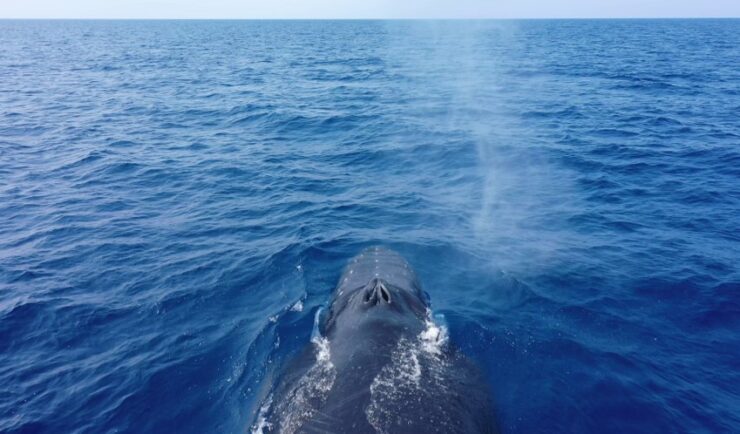
Training Marine Mammal Programs to Use Drones to Collect Dolphin and Whale Respiratory Health Data
CSS employee owner and Marine Mammal Drone Specialist supports NOAA’s National Centers for Coastal Ocean Science (NCCOS) Marine Mammal Health Assessment team with collecting respiratory health data from marine mammals in local waterways. Using specialized drones equipped with petri dishes provides a non-invasive method to collect exhaled breath (i.e. blow) samples from dolphins and whales.…
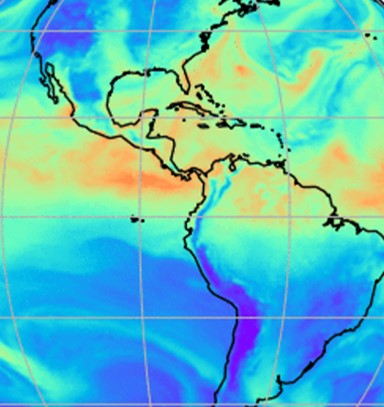
Evaluating the Use of Earth Observations Digital Twin Technologies
Earth Observations Digital Twin technologies are data analytics, artificial intelligence, and advanced modeling technologies that provide an estimate of the true state of the Earth. An Earth Systems Digital Twin is observations-based and grid-flexible with multiple components and high-resolution data over space and time to capture all available observations and feed a variety of direct…