
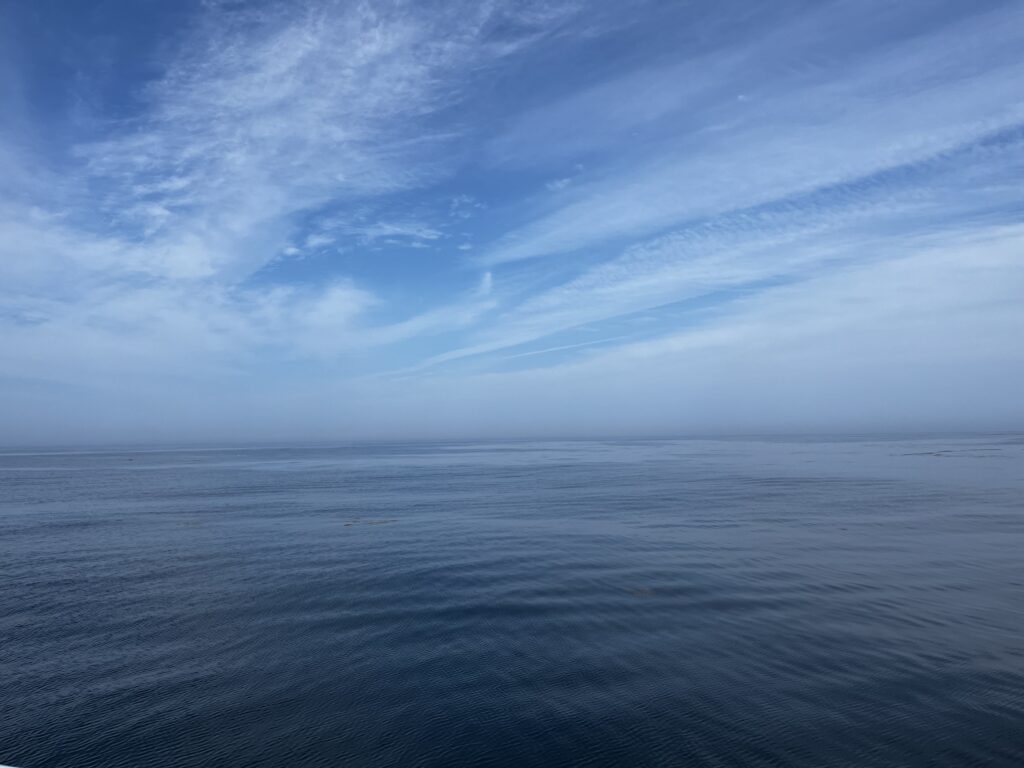
The ocean covers about 71 percent of the Earth’s surface, and life on this planet depends heavily on the ocean. We celebrate its vast being and presence each year on June 8. With CSS so heavily dedicated to Earth and environmental science, it makes sense that many CSS employee owners are deeply embedded in ocean science, from tidal ecosystems to deeper sea benthic communities. Below are a few projects our staff are involved in to assess ocean health and help make the ocean a healthier place for life on this planet.
- Restoring marsh ecosystems
- Assessing the ocean economy
- Conserving shallow coral communities affected by stony coral tissue loss disease
- Mapping, assessing, and restoring mesophotic and deep benthic communities
- Developing suitability models to inform BOEM’s selection of offshore wind energy areas
- Managing ocean data and tools to inform ocean planning and offshore renewable energy
- Forecasting, monitoring, and detecting harmful algal blooms
- Mapping and assessing seagrass and kelp and other coastal habitats
- Assessing ocean toxins and pollutants through shellfish sampling

Through several contracts with the National Oceanic and Atmospheric Administration and the U.S. Environmental Protection Agency, CSS employee owners are dedicated to protecting our ocean, its ecosystems, and life that depends on it.
See More CSS Insights

Supporting National Ocean Service Financial Management Centers
CSS employee-owners bring exceptional dedication and expertise to the National Ocean Service (NOS) Agreements, Grants, and Acquisitions Division, supporting several Financial Management Centers (FMCs) through complex, high‑priority initiatives. CSS has played a key role in helping FMCs navigate the U.S. Department of Treasury’s G‑Invoicing system during a period of transition and heavy workload. CSS staff recognized the challenges many teams were facing and broke down the system’s complex requirements…
Contributing to the Next Generation Fire System
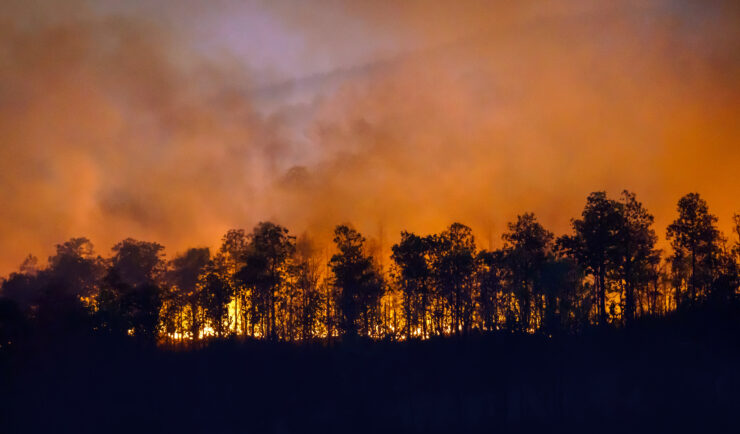
CSS plays a key role on the National Oceanic and Atmospheric Administration’s (NOAA) Atmospheric Sciences and Technology Applications Fire Detection Team, contributing to the development and validation of next generation wildfire detection capabilities. Working alongside subject matter experts and scientists from the University of Wisconsin-Madison, CSS Employee Owners support efforts to evaluate and improve experimental…
Remediating Soil Surrounding Abandoned Mines
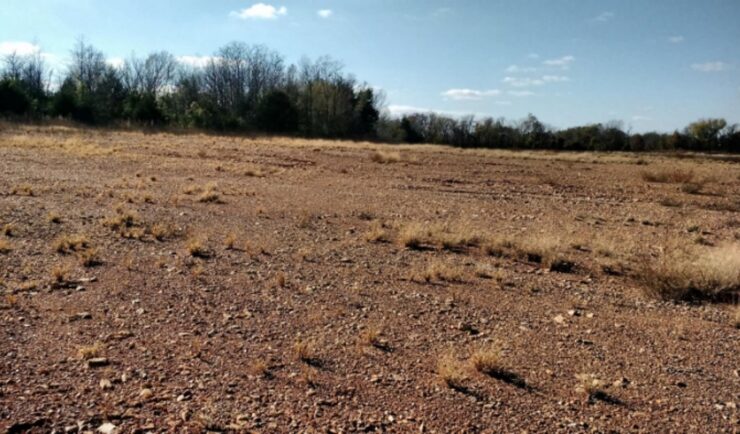
CSS employees have been providing field, lab, and horticultural support for the Environmental Protection Agency’s efforts to develop and test methods for the remediation and revegetation of contaminated soils around selected abandoned mines in the western United States. One of the promising approaches is to incorporate biochar into the soil. Using biochar helps effectively adsorb trace metals and reduce their…