
- Success Stories
- Satellite Science & Environmental Intelligence
Hurricane Helene One Year Later: Shedding Light on the Impact
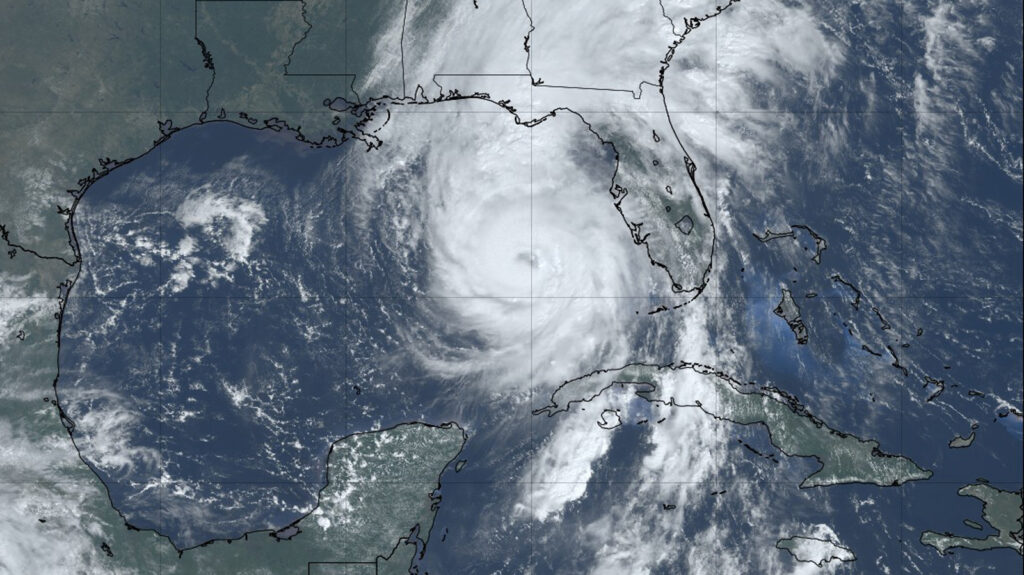
It’s been one year since Hurricane Helene caused catastrophic damage throughout the southern Appalachia region, especially Tennessee and North Carolina, where several rivers experienced above-record flooding. CSS employee owners (previously Riverside Technology, inc.) supporting NOAA’s National Centers for Environmental Information (NCEI) helped develop a Hurricane Helene StoryMap, Helene in Southern Appalachia, a dynamic tool that integrates diverse data sources to provide a comprehensive look at the storm’s impact in some of the worst hit areas.
CSS staff built the technical backbone of the project, laying the foundation through the data processing pipeline and user experience. They developed the core system that pulls data from sources like U.S. Geological Survey (USGS) stations and cities, transforming it into a format that could be displayed in the dynamic dashboard. Throughout this process, the team faced and overcame several technical challenges, including script rewrites and backup solutions for pulling data. They also optimized the dashboard’s performance for both desktop and mobile devices by streamlining data files and exploring different layouts.
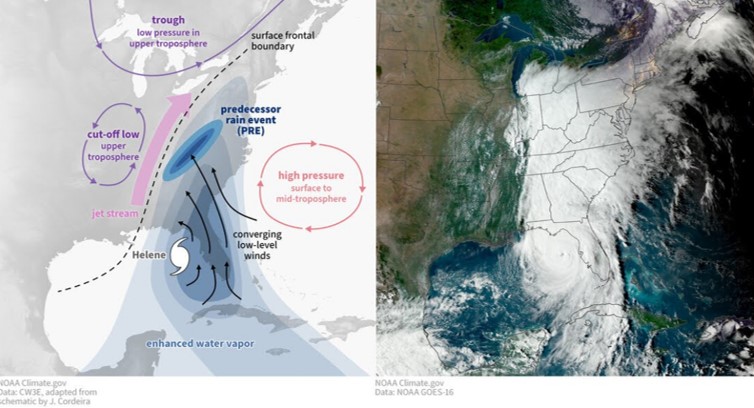
In developing this StoryMap, the team integrated a wide range of external data and applying advanced analytics to enrich the story map’s narrative, including power outage data from the Department of Energy’s EAGLE-I system and night light analyses from NASA’s VIIRS/Black Marble program. In addition, they developed an automated reporting system for flood events using artificial intelligence/machine learning techniques such as k-nearest neighbors (KNN) clustering and density-based spatial clustering of applications with noise (DBSCAN) clustering. These tools were designed to identify rainfall anomalies and group flood zones, streamlining the process of creating flood summaries. This work demonstrated the project’s innovative approach to data analysis and its potential for future applications.
Together, their efforts transformed the Hurricane Helene Story Map into a powerful and informative resource, blending robust technical infrastructure with sophisticated data analysis to tell a complete story of the storm’s impact.
View the recently published StoryMap, Helene in Southern Appalachia, to follow the path of Hurricane Helene, the destruction it caused, and the timeline of recovery.
See More CSS Insights

New Contract. Same Great Work.
We’re pleased to announce a new small business joint venture with Paul Bechtel & Associates (PB&A), which was awarded a 5-year contract to continue supporting the U.S. Environmental Protection Agency’s (EPA) Office of Pesticide Programs. For 40 years our staff have supported EPA’s Office of Pesticide Programs in the review and evaluation of pesticide data.…
Securing and Modernizing NOAA’s Climate Data Records
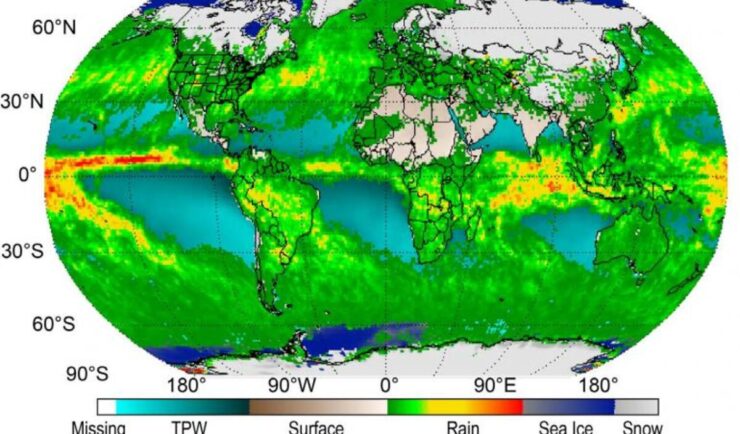
NOAA’s National Centers for Environmental Information is currently migrating their monumental archives from physical data centers onto the secure Amazon Web Services (AWS) cloud, a massive undertaking to ensure these critical records remain secure. NOAA selected a CSS employee owner and program manager for Climate Data Records as a division representative for the high-stakes Data Ingest and Migration team to coordinate directly with technical experts. As part of this role, the CSS representative is also serving…
Large-Scale Decontamination Proves Successful
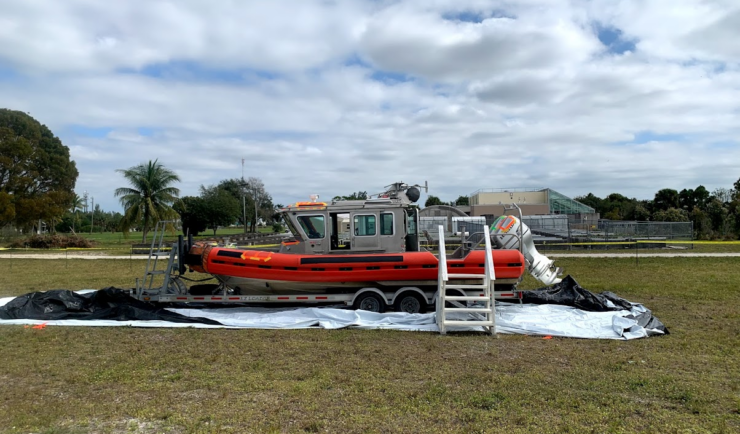
In the spring of 2022, we worked with the U.S. Environmental Protection Agency and the U.S. Coast Guard on a project called Analysis for Coastal Operational Resiliency-Wide Area Demonstration (WAD) which tests large scale decontamination following the release of surrogate bioagents. The team conducted a WAD at a military base in Virginia to test decontamination…