

CSS Safety Protocols
During a routine collection of waste, a container of white powder disintegrated without warning, causing the powder to spill and be expelled into the air. Thanks to CSS’s safety protocols and quick response, our Center for Disease Control waste disposal staff was able to assess the situation and respond to the chemical spill. The highly skilled team immediately evaluated the situation using our Incident Mishap Protocol. It was determined that the building’s exhaust ventilation system contained the dust cloud and personal protective equipment prevented injuries from occurring. Further inspection showed that the powder was a non-hazardous waste, deeming the incident a close call!
The project manager began an incident investigation to see how improvements could be made. Our staff determined that the container was handled multiple times─first from the hardened top and then from the side, which disintegrated. In addition, the program manager noted that the container appeared “old.”
As a result of the investigation, our team recommended laboratorians use secondary containment (such as, plastic bags) as an engineering control on waste older than five years. They also began training laboratorians to recognize potential container degradation and the new secondary containment procedures.
See More Success CSS Stories

Supporting the Development and Refinement of Advanced Atmospheric Sounding Products
The National Oceanic and Atmospheric Administration’s (NOAA) Unique Combined Atmospheric Processing System (NUCAPS) provides critical information on temperature, moisture, ozone, and other variables that help forecasters and climate experts understand conditions throughout the atmosphere. CSS Employee Owners are key contributors to the team, supporting the development and refinement of advanced atmospheric sounding products. The work…
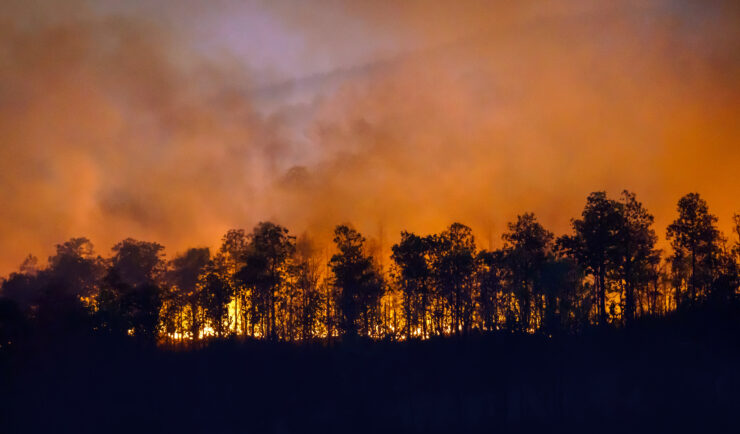
Contributing to the Next Generation Fire System
CSS plays a key role on the National Oceanic and Atmospheric Administration’s (NOAA) Atmospheric Sciences and Technology Applications Fire Detection Team, contributing to the development and validation of next generation wildfire detection capabilities. Working alongside subject matter experts and scientists from the University of Wisconsin-Madison, CSS Employee Owners support efforts to evaluate and improve experimental…

NOAA’s Updated Climate Atlas Tool is Now Live!
In the fall of 2026, NOAA released the updated Climate Atlas tool. CSS is proud to support the release of this tool, with personnel as key members of the leadership, development, and user engagement teams. Climate Atlas offers enhanced accessibility and usability for local communities, businesses, industries, and decision-makers. Reliable climate data underpins strategic planning,…