
- CSS News, Success Stories
- Satellite Science & Environmental Intelligence
Securing and Modernizing NOAA’s Climate Data Records
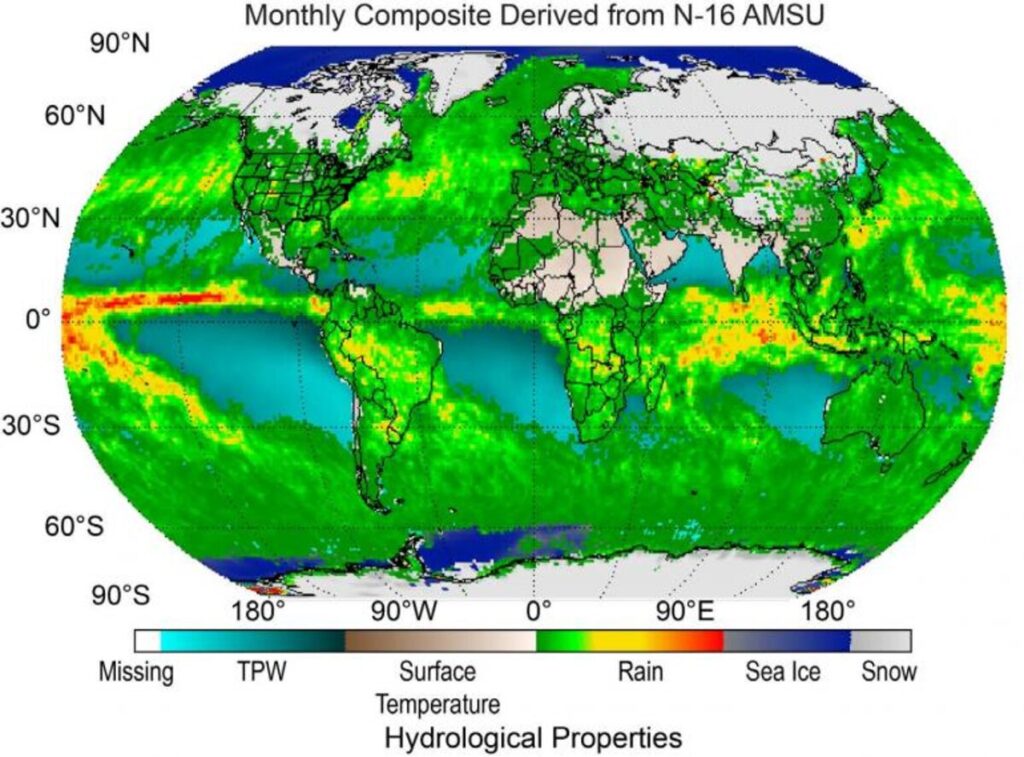
NOAA’s National Centers for Environmental Information is currently migrating their monumental archives from physical data centers onto the secure Amazon Web Services (AWS) cloud, a massive undertaking to ensure these critical records remain secure. NOAA selected a CSS employee owner and program manager for Climate Data Records as a division representative for the high-stakes Data Ingest and Migration team to coordinate directly with technical experts. As part of this role, the CSS representative is also serving to define end-to-end processes for the migration and beyond to safeguard the health of the climate data records and all of NCEI’s products ensuring these records are properly maintained and secured.
NOAA’s Climate Data Records are robust, sustainable, and scientifically sound climate records that communities, industry, and scientists trust to provide vital information on the Earth’s changing climate. Partners and industry professionals use this information to study climate variability, national defense, effects on natural resources, inform the media and public. By modernizing these extensive data in a secure cloud environment, CSS is ensuring NOAA can continue to maintain these critical data that contribute to understanding Earth’s systems for future communities and industry access.
Learn more about NOAA’s Climate Data Records.
See More CSS Insights

Studying Mesophotic Coral Health
Mesophotic coral can live at depths of 500 feet below the ocean surface. Even at this depth, some of the mesophotic corals in the Gulf of Mexico were affected by the Deepwater Horizon oil spill in 2010. Our coral scientists supporting NOAA’s National Centers for Coastal Ocean Science are studying the extent of this impact.…
New Data and Reports on the U.S. Marine Economy
Each year CSS economists on contract with NOAA’s Office for Coastal Management work with other federal agencies to process the most recent economic and labor data, and extract the portions related to marine-dependent sectors.

Fire Detection Support
CSS provides fire detection support to the Atmospheric Science and Technology Applications team with NOAA’s National Environmental Satellite, Data, and Information Services. CSS Surface Characteristics Scientist serves on the Fire Emissions and Fire Detection teams, providing data manipulation, algorithm development, and performance evaluation for the system. This ensures fast and reliable satellite data to stakeholders,…