
Expert Guidance to EPA’s Consequence Management Advisory Division
Technical Support for EPA’s Consequence Management Advisory Division (CMAD) – CSS provides expert technical guidance and field support related to chemical, biological, radiological, and nuclear (CBRN) decontamination.
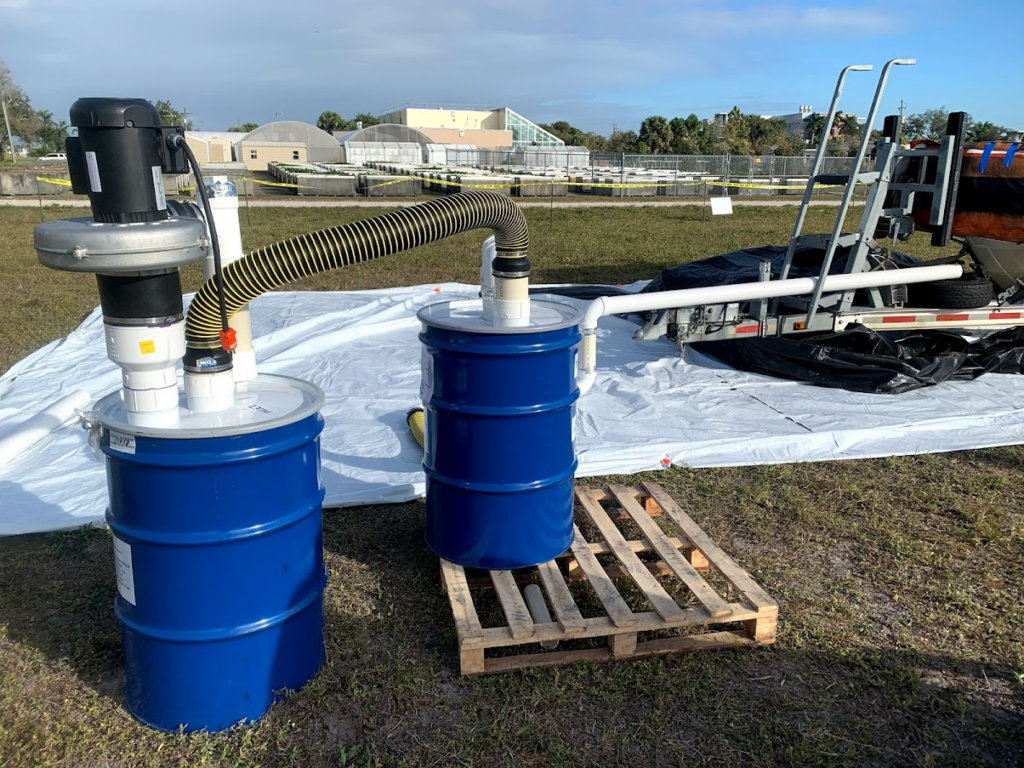
Acts of terrorism and other incidents can release dangerous chemical, biological, radiological, and nuclear (CBRN) materials. CSS researches and documents information on the best practices and most effective technologies for CBRN response.
About this Program
Our emergency response specialists prepare the technical guides, reports, databases, and other resources that guide responses to chemical, biological, radiological, and nuclear incidents. Our work provides national and local first responders with the tools they need to protect human health and the environment.
Working closely with EPA’s CMAD since 2007, CSS staff presents state-of-the science information in easy-to-use documents designed for federal, state, and local emergency responders and decisionmakers. We also help plan for and perform field demonstrations and exercises. This field work tests, refines, and documents the effectiveness of proposed approaches and decontamination technologies following the release of CBRN materials.
By the numbers:
100Tasks or Technical Directives performed for CMAD since 2007
40+CBRN tactical, field, and quick response guides produced for first responders
16Field demonstrations and exercises supported
Additional Projects
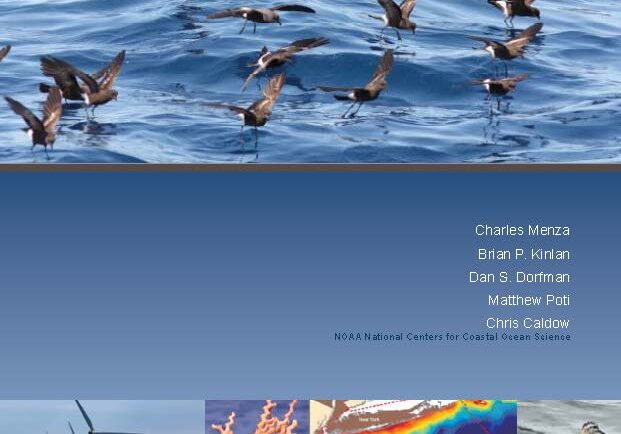
Predictive Modeling/Spatial Planning, NY Bight
CSS designed and implemented this integrated data acquisition, data management, and statistical predictive modeling to select optimal wind farm locations while minimally impacting seabirds.

Ecologically Sound Offshore Wind Development
CSS helps set the standards for suitability modeling for offshore wind development, and assists in meeting regulatory standards for environmental resource protection.

Emergency Response Planning for New York City
CSS’ staff worked EPA Consequence Management Advisory Division (CMAD) to develop an integrated framework for responding if a biological agent was released over a wide area in New York City.
Service Areas
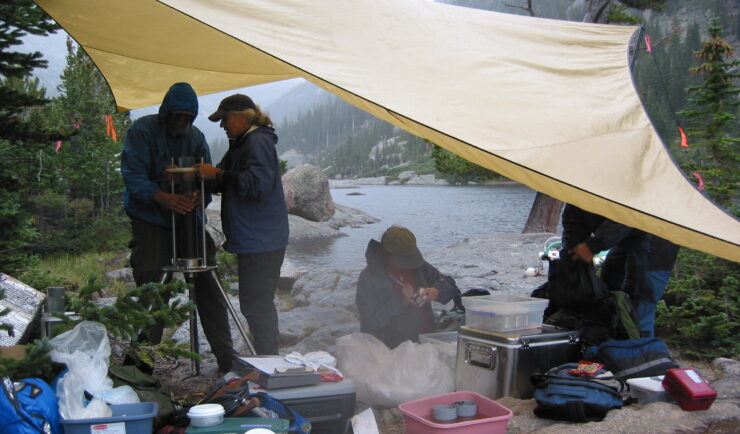
Environmental Resource Assessment & Management
We apply science to address challenges affecting the nation’s natural resources.

Satellite Science & Environmental Intelligence
Helping create a more environmentally sustainable, weather-ready, and secure nation through application of earth observation data
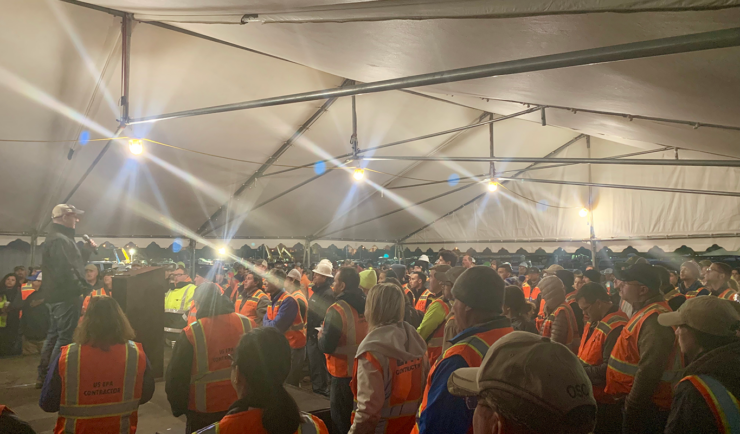
Emergency Preparedness & Response
We help our clients prepare for and protect the health and environment of communities after disasters and hazmat releases.

Facilities Operations & Maintenance
We understand your facility support needs and deliver customized solutions.

Safety, Health, & Environmental Compliance
We provide our clients with tools to protect their workforce, the public, and the environment.


Space Science Application Support & Operations
We deliver scientific support to advance our clients’ research goals.

Get in touch
Contact us to learn more about our projects, capabilities, solutions, and service offerings.