
- Success Stories
- Environmental Resource Assessment & Management
Assisting Career Growth for Future Coastal Managers

NOAA’s Margaret A. Davidson Fellowship is a two-year fellowship for graduate students that provides an opportunity for them to work side by side with researchers at one of the 30 National Estuarine Research Reserves. The fellowship provides each cohort of fellows with hands-on and cross-disciplinary research experiences, networking opportunities, and professional development and mentoring, helping to prepare them for a career in coastal management.
CSS employee owners (as part of Team Lynker on contract with NOAA’s Office for Coastal Management) support this fellowship program by assisting with organizing meetings and events for the fellows and recently helped organize a two-day professional networking and career readiness event in Charleston, South Carolina. Throughout the two-day experience, fellows engaged with coastal management professionals from federal, state, private, and nonprofit sectors, visited NOAA facilities, and gained hands-on experience with environmental educators. A CSS senior program manager and Lynker Technologies vice president participated in the career panel providing insight into their career paths and offered advice to the fellows as they embark on their career journeys.
Additionally, CSS and Lynker each sponsored a breakfast to kick off the day and provide additional opportunities for strengthening relationships within the cohort and building connections and networking with attendees.
As this cohort is nearing the end of their two-year fellowship, this event helped strengthen the fellows’ career development skills, increase confidence in job searching and interviewing, and expand their professional networks, better preparing them to transition into coastal management careers.
Learn more about the Margaret A. Davidson Graduate Fellowship and the National Estuarine Research Reserve System.
See More CSS Insights
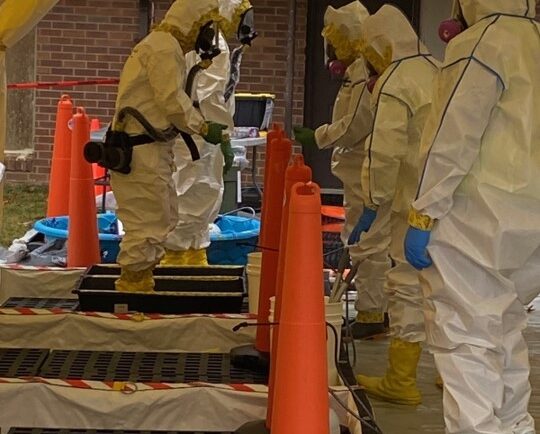
Developing a Decontamination Line Guide for EPA Responders
CSS employee owners supporting the Environmental Protection Agency’s (EPA) Scientific and Technical Assistance for Consequence Management (STACM) contract have been working with the National Chemical Preparedness Workgroup and Sub Workgroups to create a decontamination (decon) line guide and detailed drawing for EPA on-scene coordinators and EPA’s special teams to use for emergency responses and incidents. The…
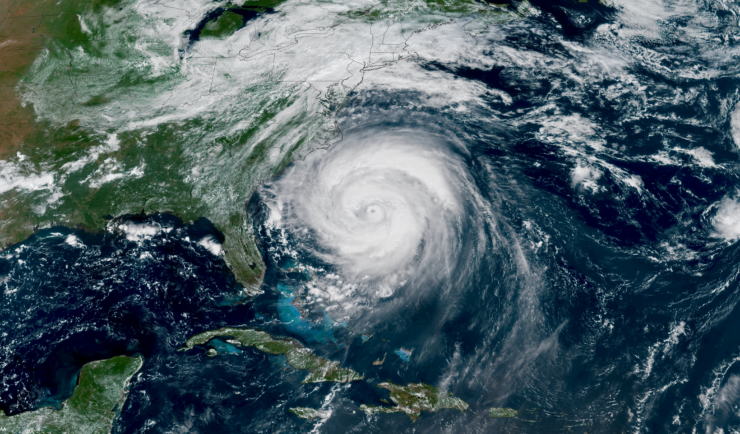
Supporting the Launch of NOAA Data to Inform More Resilient Infrastructure Designs and Structures
Congratulations to NOAA for launching their new Typical Meteorological Year product, developed by the National Centers for Environmental Information (NCEI) as part of the industry initiative. This effort helps make environmental data actionable for architects and engineers designing the next generation of resilient infrastructure. CSS is proud to support this effort and our employee owners who contributed to this product. The Typical Meteorological Year (TMY) product provides location-specific…
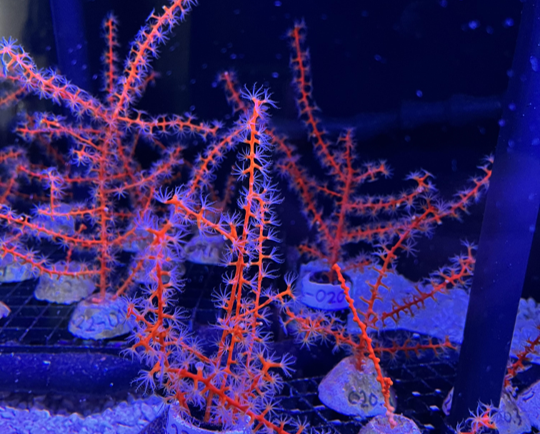
Studying Mesophotic Coral Health
Mesophotic coral can live at depths of 500 feet below the ocean surface. Even at this depth, some of the mesophotic corals in the Gulf of Mexico were affected by the Deepwater Horizon oil spill in 2010. Our coral scientists supporting NOAA’s National Centers for Coastal Ocean Science are studying the extent of this impact.…