
- Success Stories, Uncategorized
- Environmental Resource Assessment & Management
Monitoring Air Quality in California’s San Joaquin Valley
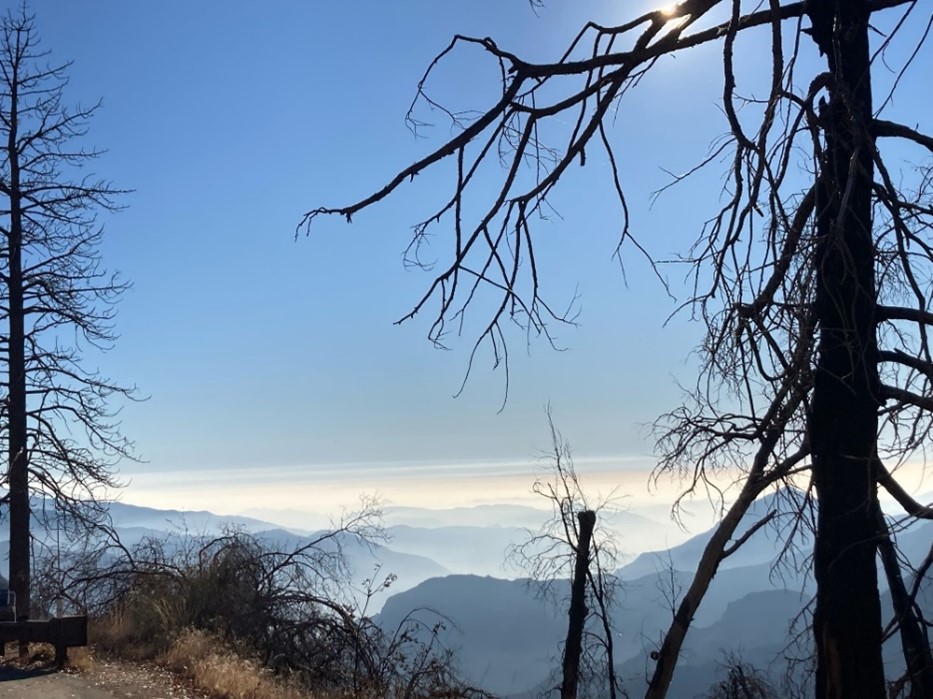
CSS employee owners supported the deployment and operation of the U.S. Environmental Protection Agency (EPA) air quality monitoring trailer (WEAVE COM – Western Enhanced Air quality VEhicle for COmmunity Monitoring) in California’s San Joaquin Valley in during late fall and early winter of 2024. Elevated particulate matter (PM2.5) is frequently found throughout the valley during the wintertime when thermal inversions trap pollution. Instruments on the trailer measure criteria air pollutants, other airborne contaminants and the chemical composition of particulate matter. The mobile lab allows scientists to collect atmospheric data to fill in gaps between existing fixed air quality monitoring stations to help identify sources and types of atmospheric PM2.5. CSS staff helped set up the trailer at the deployment site, conducted daily quality control checks on multiple instruments, and supported instrument operations throughout the deployment.


See More CSS Insights
Expanding a Popular Flood Exposure Tool
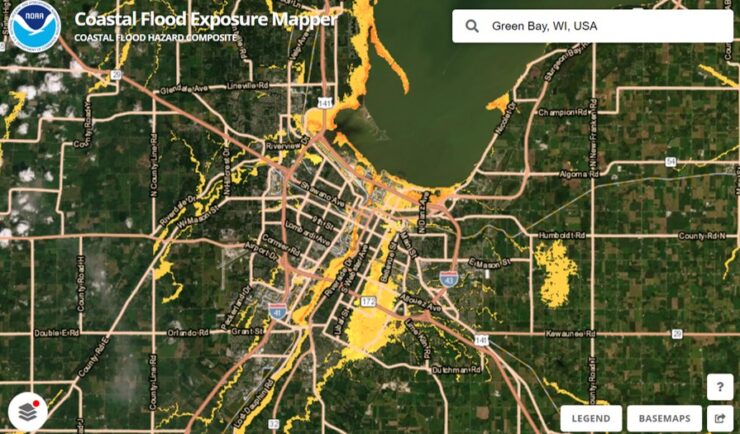
We recently assisted our client, the National Oceanic and Atmospheric Administration’s (NOAA) Office for Coastal Management, with updating one of their most popular tools, the Coastal Flood Exposure Mapper.
Continued Analysis of Contaminants from East Palestine Train Derailment
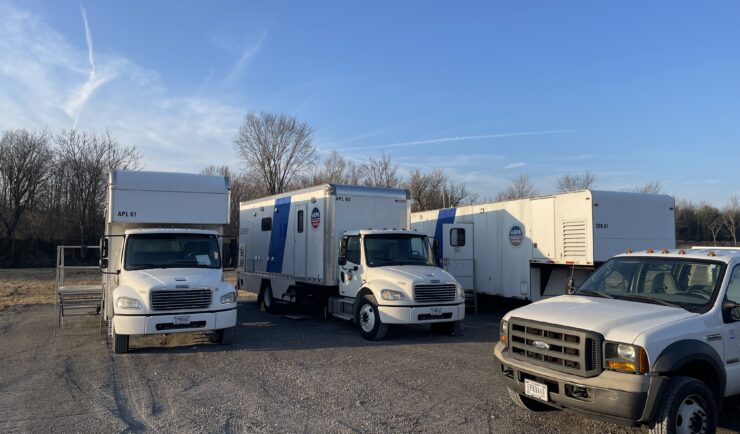
In February 2023, a freight train carrying hazardous materials derailed in East Palestine, Ohio spilling chemicals that contaminated surrounding soil, water, and the air. Several Portable High-throughput Integrated Laboratory Identification Systems (PHILIS) – the U.S. Environmental Protection Agency’s (EPA) suite of mobile laboratories designed to provide on-site analysis of chemical agents – and staff were mobilized to the site following the accident to conduct analysis of various contaminated media. The CSS…
Extensive Support in Hazard Waste Management
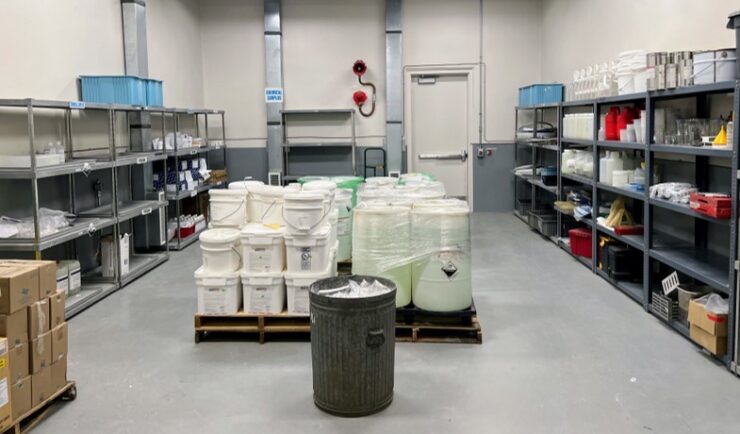
For 22 years, CSS has provided support to the Centers for Disease Control and Prevention (CDC) Hazardous Waste Program ensuring safe handling, storage, packing, and shipping of hazardous waste materials within facilities and laboratories. Experienced CSS employees are located on site at CDC campuses in Atlanta, Georgia, San Juan, Puerto Rico, and Fort Collins, Colorado and are responsible for collecting waste on a weekly schedule and disposing of waste at various campuses on an annual…